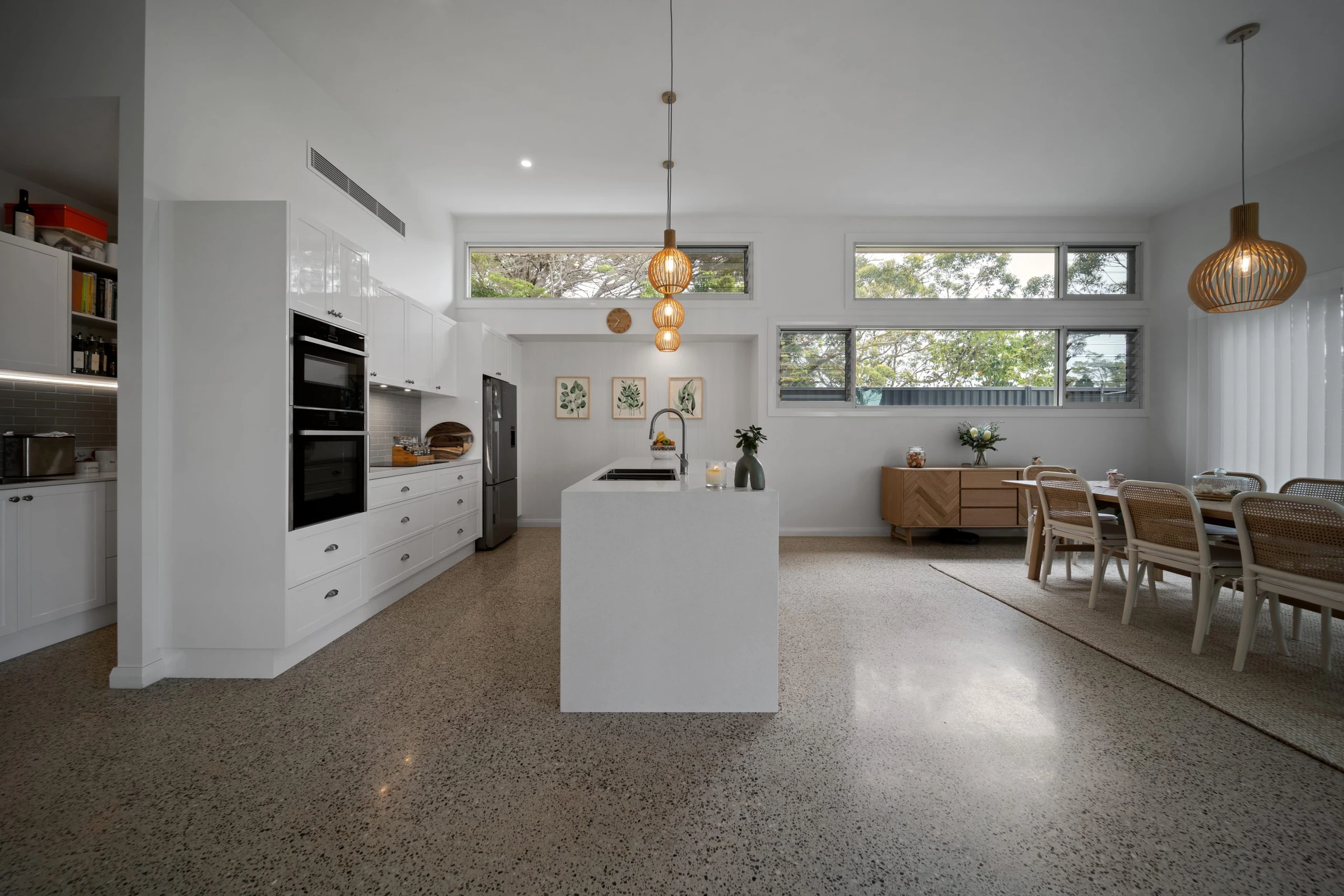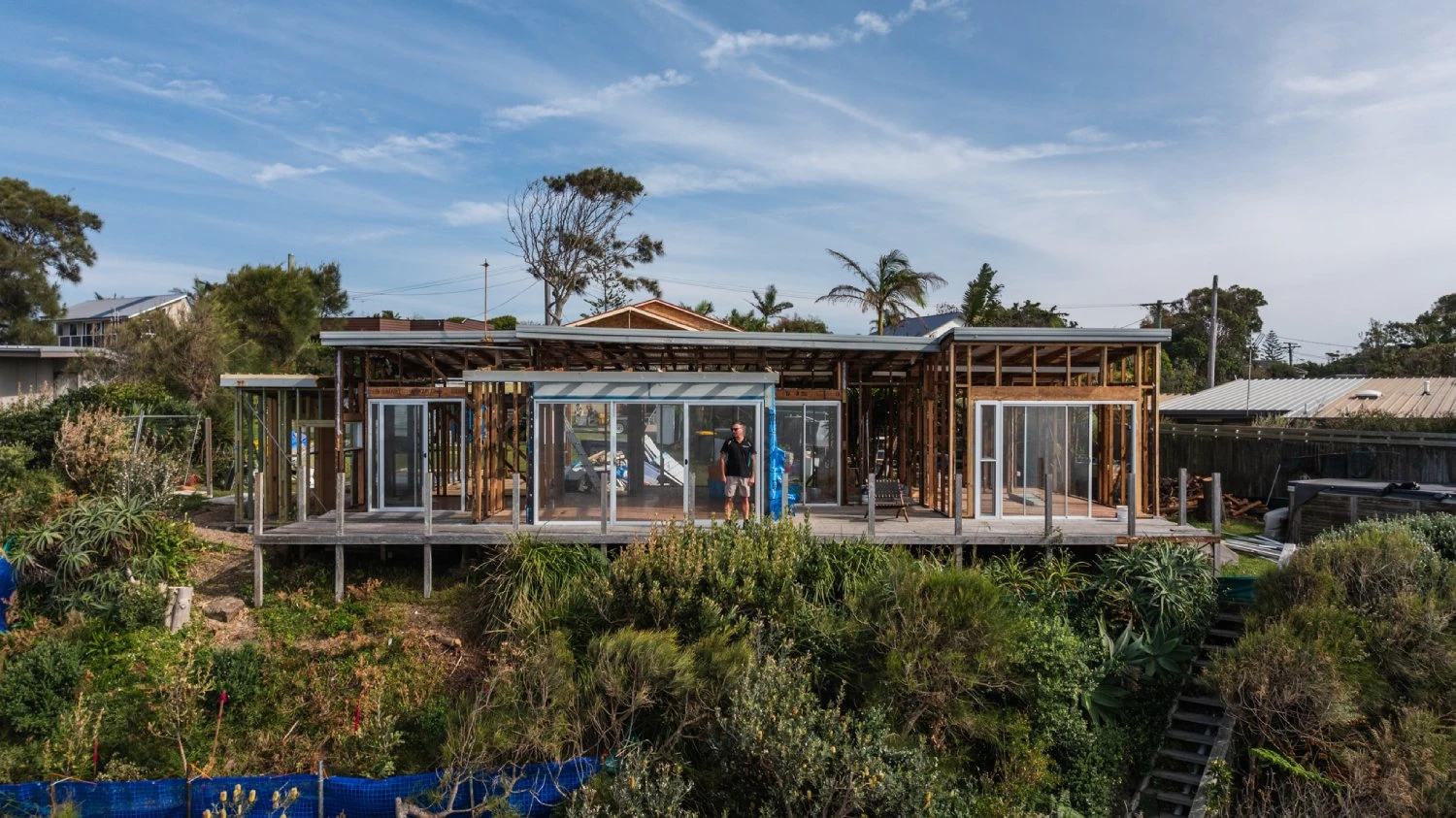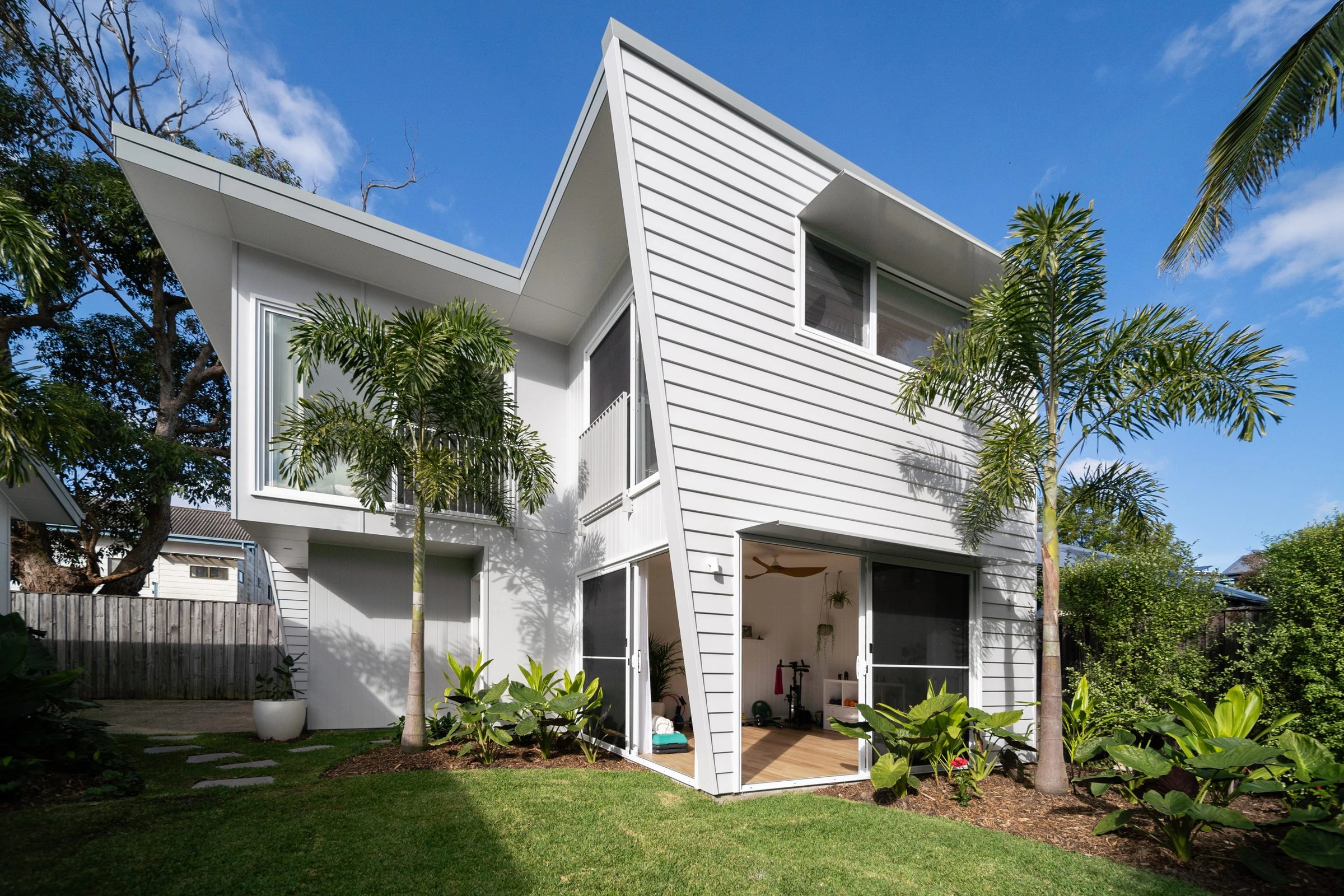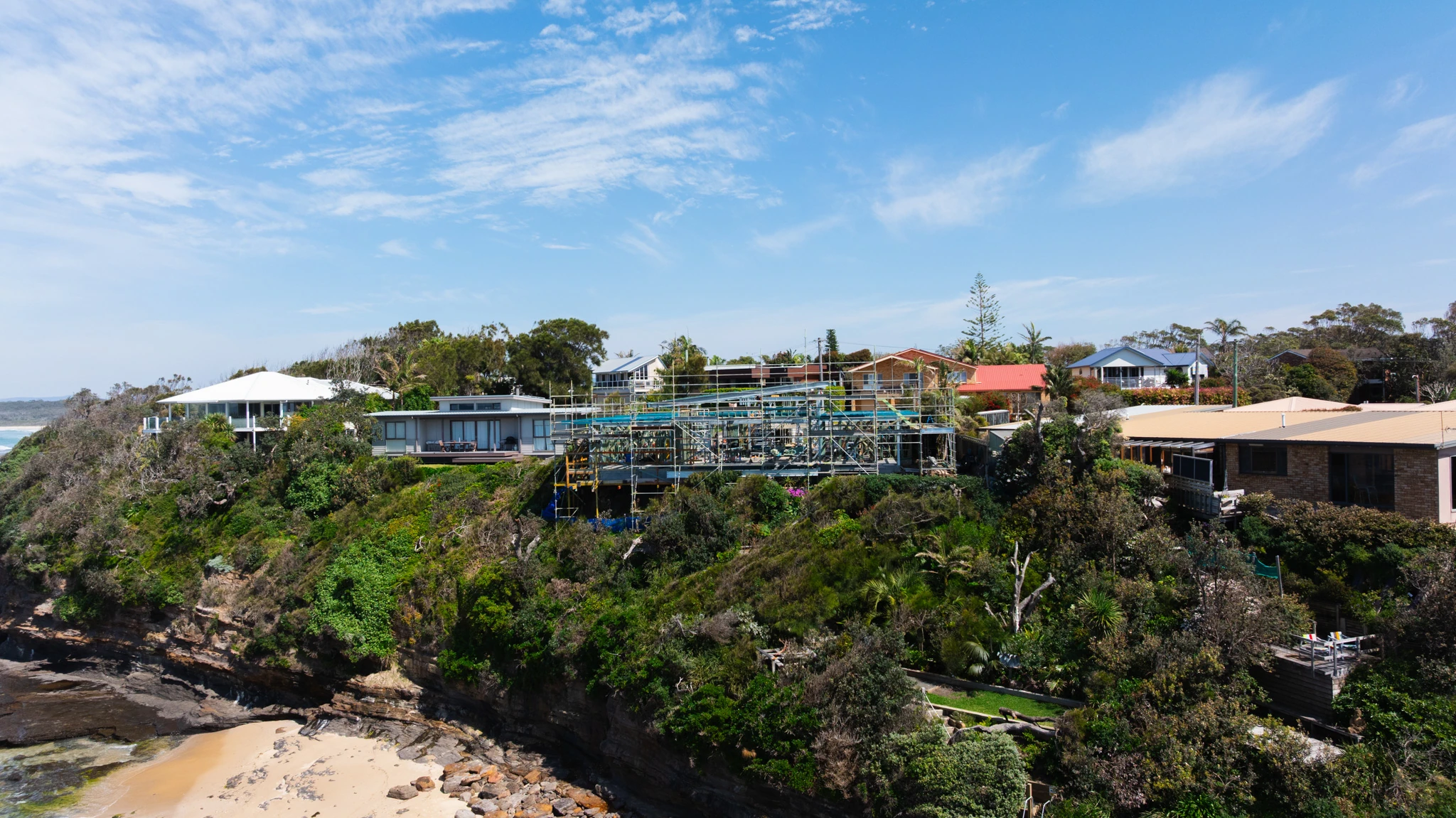
Living near the ocean sounds wonderful. You get fresh sea air, beautiful views and a lifestyle that makes you want to spend more time outdoors. It’s easy to see why so many people dream about building a home on the NSW South Coast.
But there’s another side to coastal living that you should think about before buying land or starting construction. Salt air, sandy soil, strong winds and council restrictions can make building a home near the coast quite different from building inland.
If you’re considering Building on Coastal Land, I’d suggest taking a closer look at the block before getting too attached to a house design. The land itself will influence what you can build, which materials you should use and how much preparation the project needs. Here are eight challenges I’d want every homeowner to understand before getting started.
1. Building on Coastal Land Comes With Erosion Risks
Coastal land doesn’t always stay the same. Wind, waves and changing tides slowly move sand and soil, and storms can speed up that process.
This matters if you’re looking at land close to a beach, coastal lake or exposed shoreline. A block might look perfectly fine during a sunny property inspection, but that doesn’t tell you how it will handle years of changing coastal conditions.
I’d pay particular attention to the property’s position. Is it close to a dune? Does the land sit near a cliff or an exposed stretch of beach? Has the surrounding area experienced erosion before?
These questions matter because erosion can affect the safe location of your home, outdoor areas and access paths.
Before moving ahead, consider:
- Previous erosion or storm damage in the area.
- The property’s distance from the shoreline.
- Council coastal hazard mapping.
- Any restrictions on where you can position the house.
Don’t assume that a large block gives you plenty of freedom to build. The usable building area may be smaller than it first appears.
2. Building on Coastal Land Means Planning for Flooding
You don’t need to live right beside the beach to face coastal flooding. Low-lying properties near rivers, lakes and estuaries can also experience flooding during heavy rain, high tides and storm surges.
On the NSW South Coast, this is worth checking carefully because different locations have different drainage patterns and flood risks.
For example, a property near a coastal lake may have different water-related concerns from a block on an elevated hillside. Even neighbouring properties can have different ground levels and drainage conditions.
When I assess a potential building site, I’d want to understand where water goes during heavy rainfall. Does it flow towards the property? Is there a natural low point? Can stormwater drain away without affecting the house or neighbouring land?
You should also check:
- Historical flood information.
- Council flood planning levels.
- Overland flow paths.
- Stormwater drainage conditions.
- Any mapped coastal inundation risks.
Your designer and engineer can use this information to work out suitable floor levels, drainage and site design.
One thing I’d avoid is treating drainage as a finishing detail. It needs attention early, while you’re still planning the house.
3. Planning Rules Can Affect Building on Coastal Land
This is one area where I would never recommend guessing.
Just because a property is advertised as residential land doesn’t mean you can build anything you want on it. Local planning rules may affect the size, position, height and design of your home.
Some properties on the NSW South Coast also fall within coastal management areas. Depending on the location, council may consider coastal hazards, environmental protection, wetlands and vegetation before approving a development.
The NSW Government’s coastal hazards and development planning guidance is a useful starting point if you want to understand how coastal conditions can influence development.
I’d check the following before spending money on detailed house plans:
- Local Environmental Plan (LEP).
- Development Control Plan (DCP).
- Property zoning and planning certificate.
- Building setbacks and height limits.
- Environmental restrictions and vegetation controls.
You may also need additional reports or assessments as part of your development application.
My advice is simple: speak with your local council and building professionals early. It’s much better to discover a planning restriction before designing your home than after paying for plans that need a complete rethink.
4. Soil Conditions Can Change Your Foundation Design
Not all coastal blocks have the same ground conditions. Some contain loose sand, others have clay or rock, and some properties include areas of previously placed fill.
This might not seem like a major concern when you’re walking around the block, but it can make a real difference once construction starts.
For example, loose or poorly compacted soil may need additional engineering before it can support a house. Reactive clay can also expand and shrink as moisture levels change, which can affect foundations.
That’s why I’d arrange a geotechnical investigation before settling on a foundation design.
A soil test gives your engineer useful information about the ground beneath the proposed building area. They can then recommend a foundation system that suits the actual site conditions.
Depending on the results, your project may need:
- Concrete piers or deeper footings.
- Reinforced concrete foundations.
- Additional ground preparation.
- Retaining walls on sloping blocks.
- Improved drainage around the building.
When Building on Coastal Land, I wouldn’t try to save money by skipping this step. The foundation supports everything above it, so getting the design right matters.
5. Salt Air Can Damage the Wrong Building Materials
Here’s something coastal homeowners often notice after moving in: metal fittings can start showing signs of corrosion much sooner than expected.
Salt particles travel through the air and settle on exposed surfaces. Over time, they can damage metal roofing components, window fittings, balustrades, gates and other external fixtures.
The level of exposure depends on how close your property sits to the ocean, the local wind conditions and the amount of shelter around the house.
When Building on Coastal Land, I’d spend extra time choosing materials for the outside of the home. You don’t necessarily need expensive products everywhere, but you do need materials that suit the location.
Building area
What I’d consider
Roofing
Suitable corrosion-resistant roofing and fixings
Windows
Coastal-suitable frames and hardware
Balustrades
Durable materials with appropriate finishes
External paint
Quality exterior coatings
Metal fittings
Suitable corrosion-resistant grades
Structural connections
Fixings specified for the property’s exposure
Stainless steel, aluminium and protective coatings can help, but not every product offers the same level of protection.
I’d also ask your builder about maintenance. Even good-quality materials need regular cleaning and inspection in coastal conditions.
A quick rinse and an occasional inspection may not sound exciting, but they’re much cheaper than replacing corroded fittings.
6. Strong Winds Need Attention When Building on Coastal Land
A sunny afternoon can make a coastal block feel sheltered. However, the weather doesn’t always stay that way.
Some parts of the NSW South Coast experience strong winds and heavy storms, particularly in exposed locations. Your home needs to handle those conditions without relying on good luck.
Wind exposure can influence roof design, structural connections, windows, doors and external cladding.
Your engineer will need to consider the property’s wind classification and exposure when preparing the structural design. This helps determine the appropriate materials and connections for the building.
I’d also think about the position of your outdoor areas. A balcony might look fantastic on the plans, but if it faces strong prevailing winds, you may not use it as often as you expect.
A few things worth discussing with your designer include:
- The direction of prevailing winds.
- Roof shape and structural connections.
- Window and door specifications.
- Protection from wind-driven rain.
- Covered outdoor living areas.
Good design makes a noticeable difference here. You want a home that feels comfortable on a calm summer afternoon and remains practical when the weather turns.
7. Bushfire Rules May Affect Your Coastal Building Plans
Many people associate coastal homes with beaches and open views, but plenty of properties also sit close to bushland and native vegetation.
This creates another consideration when Building on Coastal Land: bushfire risk.
Some properties in the region fall within designated bushfire-prone areas. If yours does, you may need a bushfire assessment and additional design measures before construction can proceed.
Depending on the site’s bushfire classification, requirements may affect:
- External walls and building materials.
- Windows and external doors.
- Roof construction and openings.
- Decks and other exposed structures.
- Landscaping and vegetation management.
You should also check whether protected vegetation or environmentally sensitive land affects the proposed building area.
I wouldn’t leave these checks until the design is finished. Bushfire requirements can influence material selection and construction details, so it’s better to understand them from the beginning.
A suitable building professional can help you work out which assessments and construction requirements apply to your property.
8. Access, Services and Maintenance Can Increase Building Costs
This is probably one of the easiest things to overlook when buying coastal land.
You might find a beautiful block with plenty of space, but getting construction materials and machinery onto the property could be another story.
Some coastal properties have narrow access roads, steep driveways or uneven ground. Others need additional site preparation before builders can start work.
Services are another thing to check. Don’t assume that water, electricity, sewerage and telecommunications are ready to connect simply because neighbouring homes already have them.
Before Building on Coastal Land, I’d ask a few practical questions:
- Can construction vehicles reach the site easily?
- Are water and electricity connections available?
- Does the property have access to sewerage?
- Will you need retaining walls or major earthworks?
- Are there additional drainage requirements?
- Is there enough space for material storage during construction?
These details can affect your budget and construction schedule.
I’d also think about the years after construction. Coastal homes need regular attention, particularly around roofs, gutters, external paintwork and metal fittings.
A simple maintenance routine helps you spot small problems before they become expensive repairs.
What Should You Check Before Building on Coastal Land?
After looking at these eight challenges, you might be wondering where to start. I would break the early planning stage into a few practical steps.
What to check
Why it matters
Council planning controls
Confirms what development the property may allow
Coastal hazard information
Helps identify erosion and inundation risks
Soil investigation
Guides foundation and site preparation decisions
Bushfire assessment
Identifies relevant construction requirements
Wind exposure
Helps determine suitable structural design
Available services
Helps identify connection work and extra costs
Site access
Makes construction planning easier
I’d also recommend getting your builder involved before finalising the house design. An experienced builder can help identify practical site issues that might not be obvious from property photos or a basic inspection.
Most importantly, don’t rush the early decisions. A little more investigation at this stage can prevent costly changes once construction begins.
Conclusion
Building a home near the ocean is an exciting project, but the block needs just as much attention as the house design.
Erosion, flooding, soil conditions, salt air, strong winds and planning restrictions can all influence your project. Some properties may have very few complications, while others need additional engineering and preparation.
When Building on Coastal Land, I’d always start by understanding the site. Get the right investigations done, check the local planning requirements and choose materials that can handle the conditions.
You don’t need to make the process complicated. You just need the right information before making big decisions.
Planning a new home on the NSW South Coast? Get in touch with our team to discuss your block, building plans and the next steps towards creating a home that suits your lifestyle.
Frequently Asked Questions
1. Is Building on Coastal Land more expensive than building inland?
It can be, but it depends on the property. Some coastal blocks need additional soil testing, stronger corrosion protection, drainage work or specialised foundations. Difficult access and planning restrictions can also add to the overall budget.
I’d recommend getting the site assessed before setting your construction budget.
2. What soil conditions should I expect on the NSW South Coast?
Soil conditions vary across the region. You may find sandy soils near beaches, clay in some locations, rocky ground or areas of previously placed fill.
A geotechnical investigation will help identify the actual conditions and guide the foundation design.
3. Do I need council approval to build near the beach?
You’ll generally need the relevant planning and building approvals for your project. Additional assessments may apply if the property falls within a coastal management area or has environmental restrictions.
Check the local council’s planning requirements before starting your design.
4. How can I protect my home from salt air?
Start with suitable external materials, corrosion-resistant fixings and quality protective coatings. Regularly wash exposed surfaces and check metal fittings for early signs of rust.
The right material choice depends on the property’s distance from the ocean and its exposure conditions.
5. Can I build on a sloping coastal block?
Yes, many sloping properties can support residential construction. However, you may need retaining walls, additional drainage, engineered foundations or earthworks.
A site assessment will help determine whether the block suits your proposed design.