Home Construction on the NSW South Coast should feel exciting, not like an endless game of fixing expensive surprises. Yet even a well-planned project can run into trouble when small decisions get overlooked early.
From choosing the wrong block to rushing design decisions, home construction mistakes can affect your budget, comfort and long-term enjoyment. The good news? With the right planning, you can avoid most of them.
Why Good Planning Matters in Home Construction
When I talk about home construction, I always come back to one simple idea: the best time to solve a building problem is before anyone starts building.
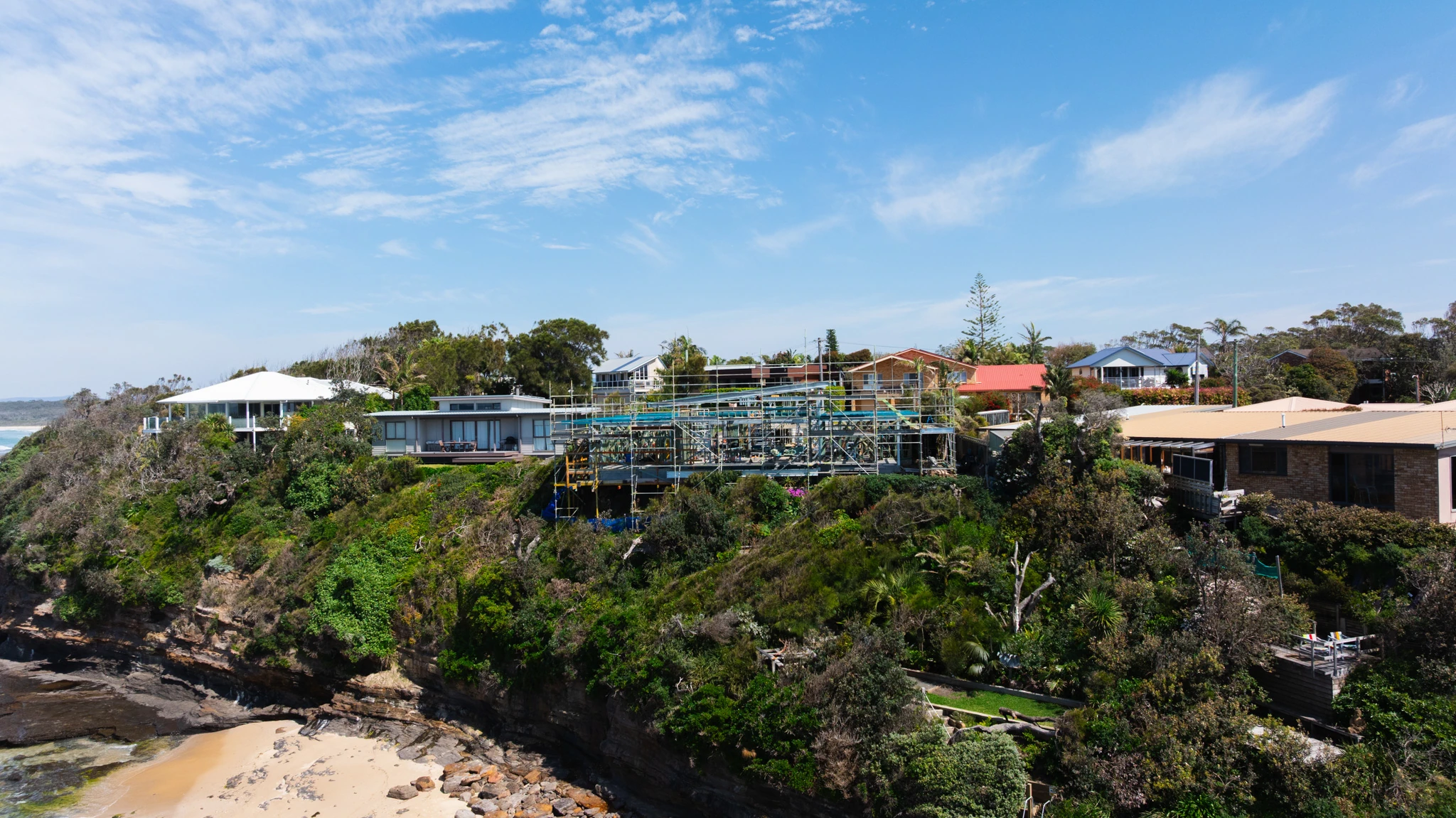
If you’re planning a coastal home around Nowra, Ulladulla, Vincentia, Berry or elsewhere across the South Coast, start with a clear brief. Think about your lifestyle, block, budget, energy goals and how you want the house to feel five or ten years from now.
For a well-planned start, explore our Home Construction approach and consider how your design, site and building goals can work together from day one.
1. Choosing a Block Without Understanding the Site
A beautiful block can hide some very unglamorous surprises.
Slope, soil conditions, drainage, access, bushfire risk, coastal exposure and planning requirements can all influence your project. A block that looks like a bargain on Saturday afternoon can become considerably less charming once site constraints appear.
On the NSW South Coast, you also need to think about the local environment. Coastal conditions, wind exposure and bushfire considerations can influence your design and material choices.
Before committing to a block, I recommend checking:
- Site levels and slope
- Soil and geotechnical conditions
- Bushfire requirements where applicable
- Stormwater and drainage
- Vehicle and construction access
- Planning and zoning controls
- Services and utility connections
A little investigation early can save you from making major design changes later.
2. Starting Home Construction Without a Clear Budget
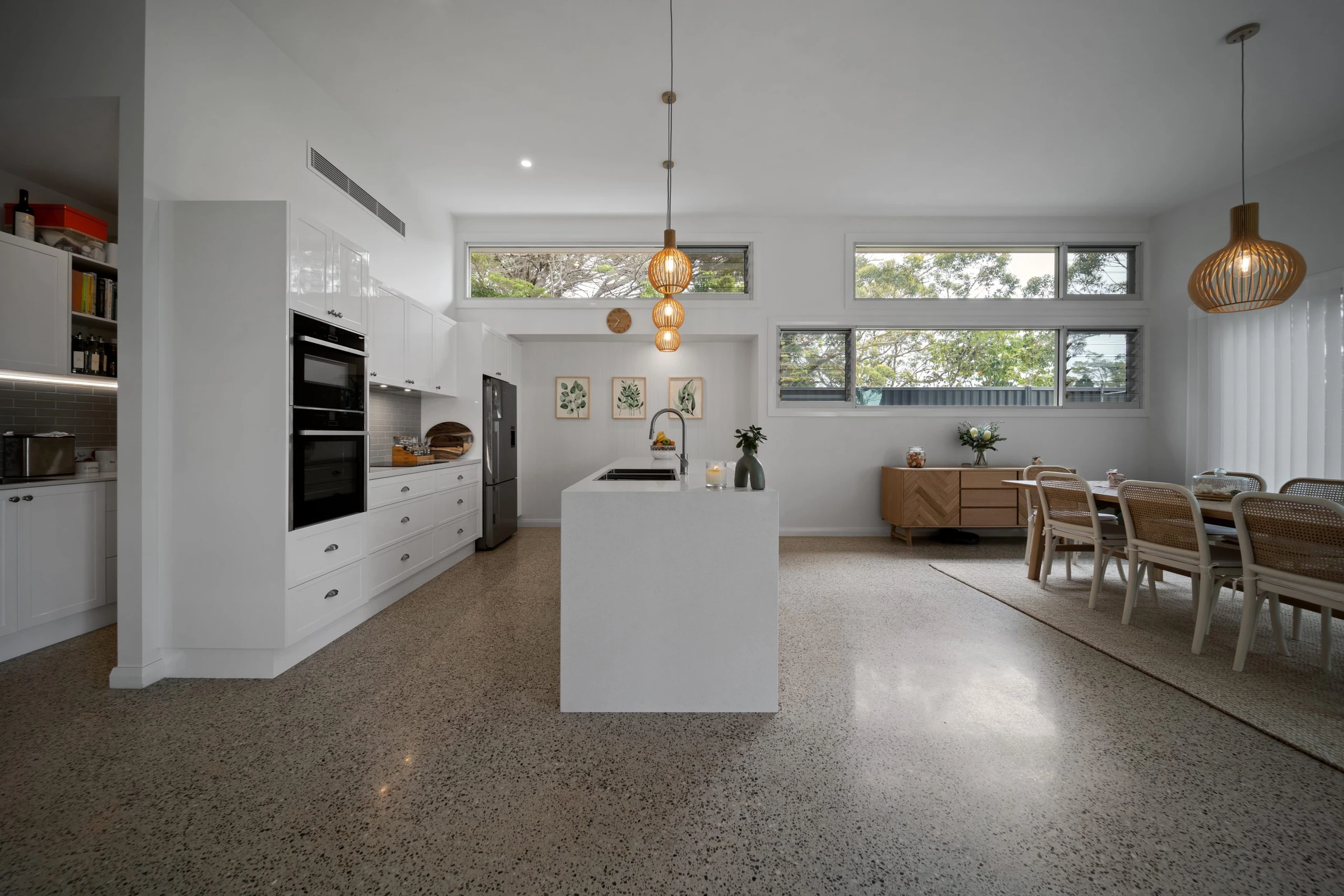
Nobody enjoys discovering that their dream kitchen, bathroom or outdoor area has quietly eaten half the budget.
One of the most common home construction mistakes involves setting a rough budget without understanding what the figure actually covers. Construction costs can extend beyond the main building work and may include design, engineering, site preparation, approvals, landscaping, driveways, services and other project requirements.
Create a realistic budget from the beginning and keep a contingency for unexpected site or design issues.
I like to think of the budget as a wardrobe: if you fill every centimetre from day one, you have nowhere to put the unexpected jacket.
A simple budget checklist
Area
What to consider
Design
Architectural and design services
Site
Excavation, earthworks and access
Approvals
Planning, certification and other requirements
Construction
Main building works and finishes
External works
Driveways, landscaping and drainage
Contingency
Allowance for unexpected changes
The exact allowance depends on your project, so discuss the numbers with your builder and relevant professionals before you lock in your plans.
3. Treating Design and Construction as Separate Conversations
A clever design can look fantastic on paper but create headaches if nobody considers how it will actually work on the site.
Good home construction starts when design and buildability work together. Your builder should understand your priorities, while your designer should understand the realities of the site and construction process.
For example, that dramatic wall of coastal glazing might look incredible in a render. But you still need to consider orientation, solar gain, privacy, ventilation, window performance and how the space will feel in summer.
The NSW South Coast gives you plenty of reasons to think carefully about natural light and outdoor living. Instead of simply adding bigger windows everywhere, consider where you place them and what you want each room to achieve.
4. Ignoring Energy Efficiency Until the End
Energy efficiency shouldn’t become a last-minute upgrade.
If you want a comfortable home that performs well throughout the year, think about orientation, insulation, glazing, shading, ventilation and efficient services during the design stage.
Australia’s Your Home resource provides government-backed guidance on designing and building homes with energy efficiency, comfort and environmental performance in mind.
For a South Coast home, smart passive design can make a noticeable difference. You can use the sun when you want warmth, control unwanted heat and improve natural airflow through thoughtful planning.
That doesn’t mean covering your roof in gadgets and calling it sustainable. Sometimes the smartest solution starts with something wonderfully low-tech: putting the windows in the right place.
5. Making Design Changes Too Late
Changing your mind during construction can feel harmless.
“Can we just move that wall a little?”
“Could we make the kitchen island bigger?”
“Actually, let’s add another window.”
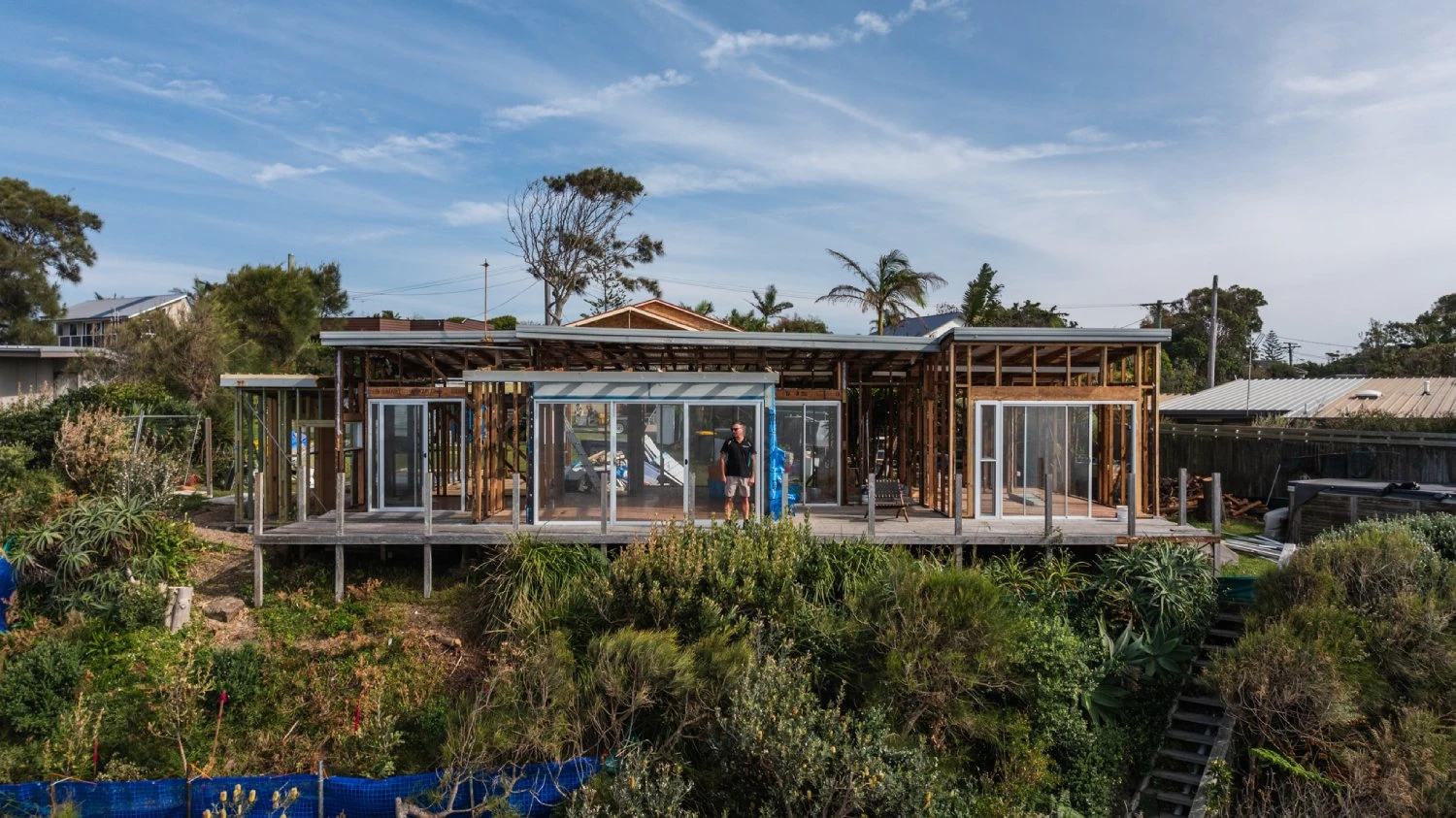
One small change can trigger several others. A wall movement may affect electrical work, plumbing, cabinetry, flooring or structural requirements.
That’s why I recommend finalising as many major decisions as practical before construction progresses too far.
Pay particular attention to:
- Kitchen layouts
- Bathroom positions
- Window and door locations
- Electrical outlets and lighting
- Storage
- Flooring
- Built-in cabinetry
- Outdoor connections
You don’t need to predict every detail of your life for the next 30 years. You simply need to make the important decisions before they become expensive decisions.
6. Choosing Materials Based Only on Looks
Instagram has done many wonderful things for interior design. It has also convinced us that every home needs the same stone, timber, tile and oversized pendant light.
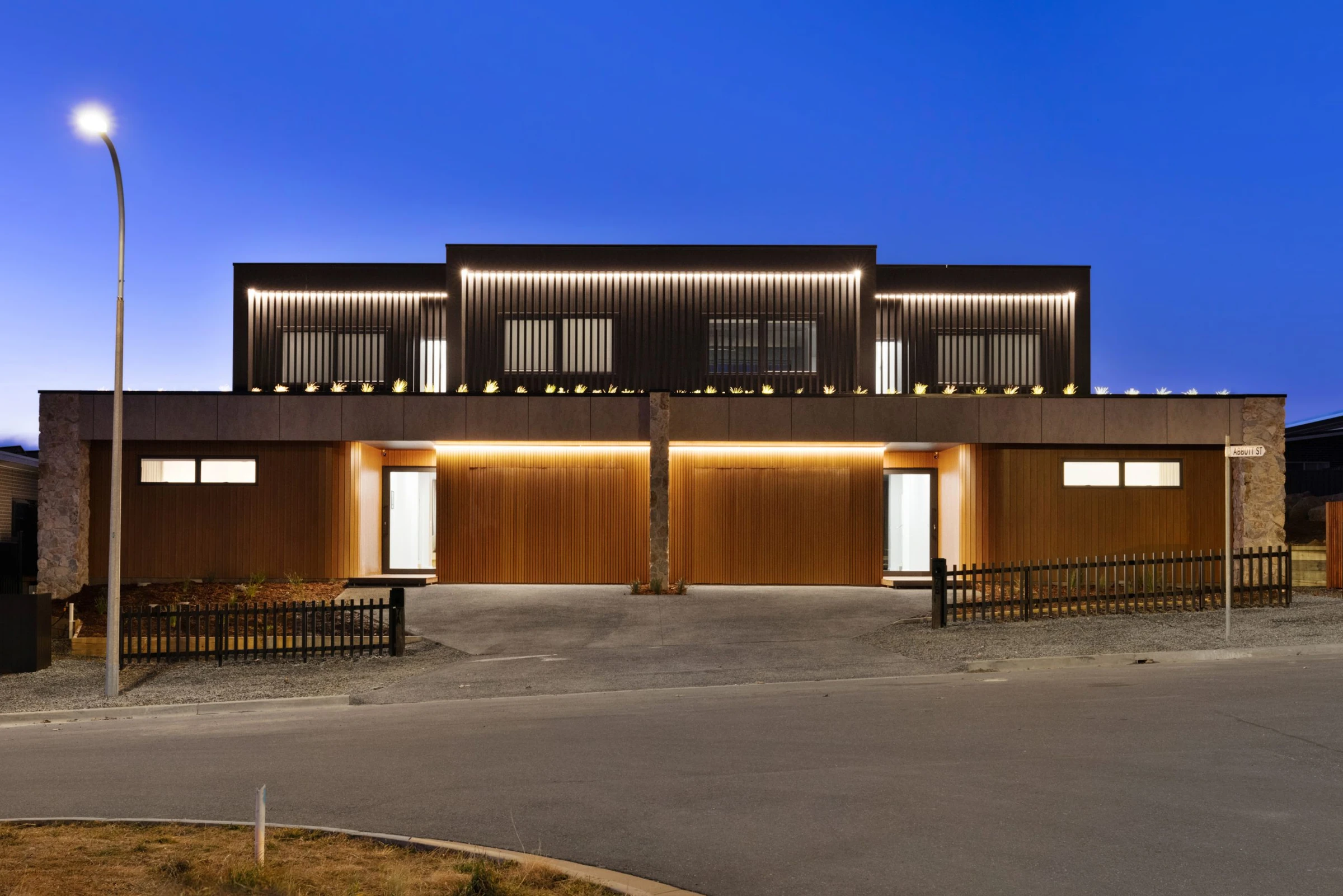
Looks matter, but home construction materials also need to suit the site, climate, maintenance expectations and way you live.
For a South Coast property, consider how materials will handle moisture, sun, wind and everyday wear. Think beyond the showroom.
Ask yourself:
Will I still like this material when I’m cleaning it on a Tuesday morning five years from now?
That question can be surprisingly useful.
Your builder and relevant specialists can help you compare materials based on durability, maintenance and performance rather than appearance alone.
7. Forgetting About How the Home Will Work in Real Life
A house can look spectacular and still be annoying to live in.
This happens when homeowners focus heavily on finishes and overlook everyday movement. Where will you drop your keys? Where will muddy shoes go? Can you carry groceries from the car to the kitchen easily? Does the laundry actually work for your household? Where will guests sit when you open those beautiful outdoor doors?
Good home construction should create a home that works as beautifully as it looks.
Think about your daily routine.
If you work from home, plan a proper workspace. If you love entertaining, connect your kitchen, dining and outdoor areas naturally. If you have children, consider storage and durable finishes. If you plan to age in the home, think about accessibility before you need it.
Quick Home Construction Mistake Checklist
Mistake
Better approach
Buying without checking the site
Investigate site conditions first
Using a rough budget
Build a detailed project budget
Separating design from construction
Coordinate design and buildability
Leaving energy efficiency until late
Consider performance from the start
Changing plans during construction
Finalise major decisions early
Choosing materials only for appearance
Consider durability and maintenance
Designing for photos rather than life
Plan around your everyday routine
How to Make Home Construction Smoother
You don’t need to become a construction expert before building your home. You do, however, need to ask good questions.
Start with a clear brief. Understand your site. Establish a realistic budget. Discuss your priorities openly. Then choose professionals who communicate clearly and take the time to understand what you actually want.
I also recommend keeping your project information organised. Store drawings, selections, approvals, specifications and key communications somewhere you can easily find them.
Most importantly, don’t be afraid to ask why.
Why does this window go here? Why does this material suit the site? Why does this design decision affect the budget?
A good building professional should welcome sensible questions rather than make you feel like you’ve wandered into an advanced maths exam.
Conclusion
A successful home construction project doesn’t happen by accident. It starts with thoughtful planning, realistic expectations and decisions that consider both the site and the people who will live there.
If you’re building on the NSW South Coast, take time to understand your block, budget and lifestyle before construction begins. Think about energy performance, material choices, practical layouts and future needs. Those early decisions can shape how comfortable and enjoyable your home feels for years.
Ready to start planning your next project? Get in touch with our team to discuss your home-building plans and take the next step towards creating a home that works beautifully for you.
Frequently Asked Questions
What is the biggest mistake to avoid during home construction?
Poor planning can create problems across an entire project. Start by understanding your site, setting a realistic budget and establishing a clear design before construction begins.
How can I avoid unexpected costs when building a home?
Create a detailed project budget that considers construction, site works, approvals, external works and a contingency. Discuss inclusions and exclusions with your builder before signing a contract.
Should I make design decisions before construction starts?
Ideally, yes. Finalising major decisions early can reduce changes, delays and potential additional costs during construction.
What should I consider when building on the NSW South Coast?
Consider the site’s slope, soil, drainage, bushfire requirements where relevant, coastal exposure, orientation, access and local planning requirements. Your project team can help identify site-specific considerations.
How important is energy efficiency in a new home?
Energy efficiency can influence comfort and ongoing household energy use. Consider orientation, insulation, glazing, shading and ventilation during the early design stage rather than treating them as last-minute additions.
How do I choose materials for a coastal home?
Look beyond appearance. Consider durability, maintenance, moisture exposure, sunlight, wind and how the material will perform in your particular location and lifestyle.
Can a builder help me avoid common construction mistakes?
Yes. An experienced builder can identify practical issues during planning, coordinate with designers and consultants, and help you make informed decisions before construction progresses too far.