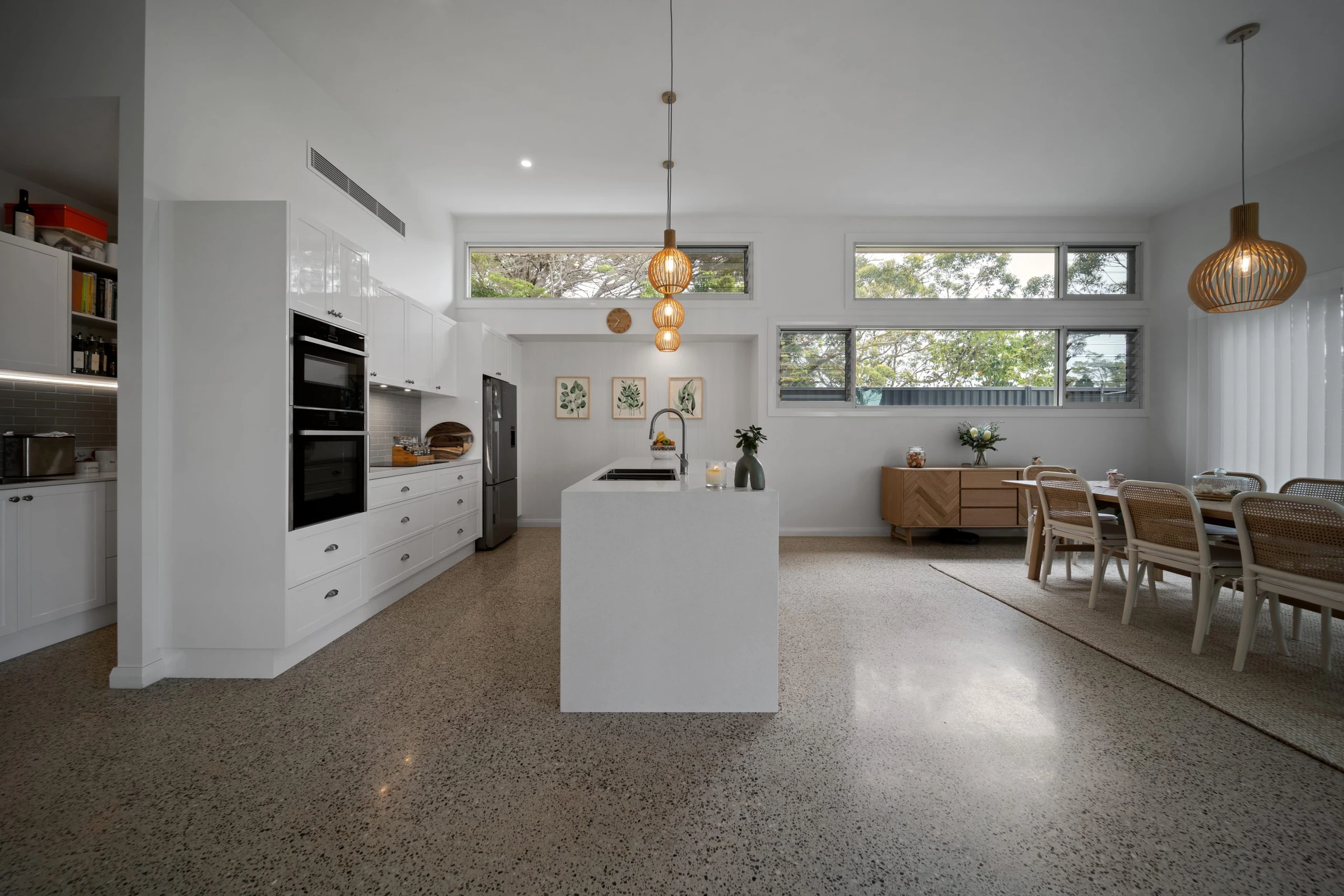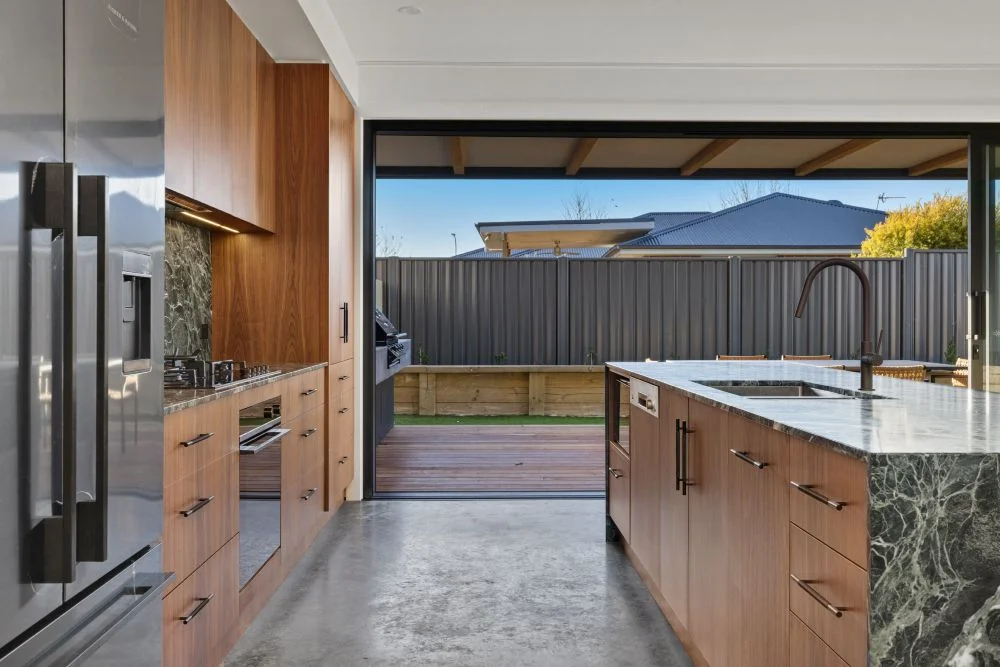
Building a home on the NSW South Coast is about much more than choosing a beautiful façade and an impressive kitchen. The real quality sits behind the walls, beneath the floors and in hundreds of decisions you may never notice once you move in.
If you are planning a new home, renovation or coastal property, understanding what drives quality Building Construction can help you make smarter choices from day one. I always think the best builds start long before anyone picks up a hammer.
A quality home should feel good today, perform well tomorrow and still make sense years down the track. On the NSW South Coast, that means looking closely at the site, design, materials, workmanship, compliance, energy performance and the way your builder manages the entire process.
Why Quality Matters in Building Construction
A building can look fantastic in photographs and still hide problems that only appear after the first heavy downpour, hot summer or salty coastal breeze. That is why I prefer to look beyond finishes and ask a bigger question: How will this home actually perform?
Quality Building Construction combines thoughtful design, suitable materials, skilled trades, careful supervision and proper planning. When those elements work together, you get more than a good-looking house. You get a home that feels comfortable, durable and easier to maintain.
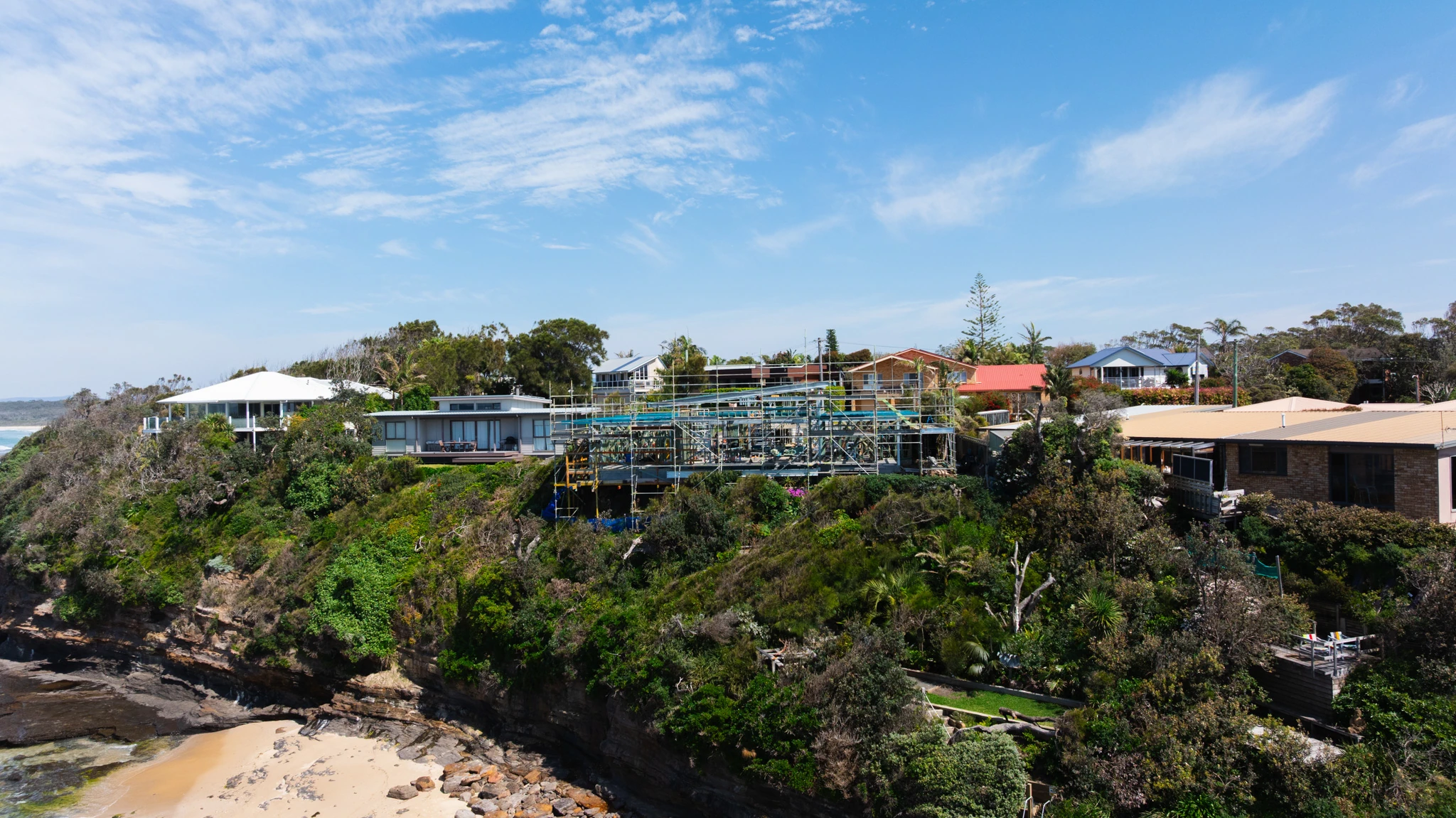
For South Coast homeowners, the local environment adds another layer. Coastal exposure, salt air, rainfall, wind, bushfire considerations, sloping blocks and drainage can all influence construction decisions.
1. Site Selection and Ground Conditions
Before construction starts, the block itself deserves serious attention.
A clever design cannot magically fix poor site planning. Your builder and relevant consultants need to understand the site’s slope, soil conditions, drainage, access, orientation and surrounding environment before finalising the construction approach.
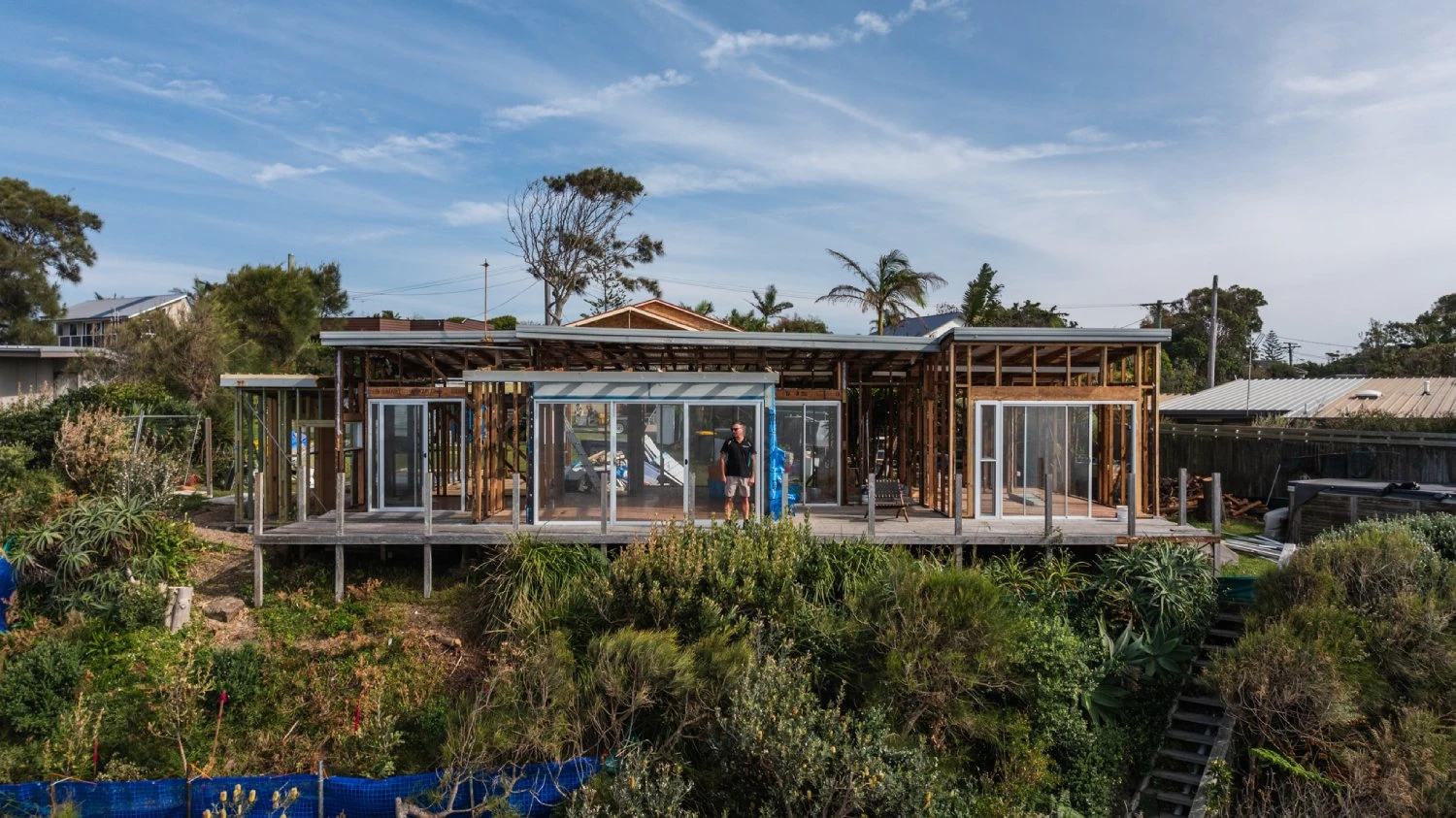
On the NSW South Coast, you might be dealing with anything from a relatively flat suburban block to a steep coastal site. Each one creates different challenges.
Important site considerations include:
- Soil type and ground stability
- Site slope and excavation requirements
- Stormwater and surface drainage
- Vehicle and construction access
- Coastal exposure
- Bushfire considerations where relevant
- Solar orientation
- Existing vegetation and neighbouring structures
I see site planning as the foundation of the foundation. Get it right early, and you can avoid a surprising amount of trouble later.
2. Good Design and Detailed Planning
Great construction starts with a great plan.
A detailed design gives everyone involved a clear understanding of what they need to build. It also helps identify potential clashes, structural requirements, material selections and cost issues before they become expensive surprises on site.
This becomes particularly important for custom homes. You may want large windows for ocean views, open-plan living areas, high ceilings or a dramatic architectural feature. All of these choices can affect structure, energy performance, waterproofing and construction sequencing.
Good planning also considers how you actually live.
Where will morning sunlight enter? Where will you store surfboards and outdoor equipment? How will you move between indoor and outdoor areas? Will the kitchen still work when you have friends over?
These questions may sound simple, but they can dramatically improve the finished home.
3. Compliance With Australian Building Requirements
Quality construction must meet the required building standards. There is no clever shortcut around that.
In NSW, residential building work needs to meet the applicable requirements of the National Construction Code and relevant NSW requirements. The current NCC framework covers areas including structural safety, fire safety, health, accessibility, amenity and sustainability. You can review the NSW Government’s guidance on complying with the National Construction Code for the current requirements.
Compliance should not feel like paperwork added at the end of a project. I see it as part of good construction from the beginning.
Your plans, materials, structural elements and construction methods all need to work together. Depending on the project, you may also need to consider planning approvals, engineering documentation, BASIX requirements and other site-specific obligations.
The key lesson? Don’t treat compliance as an afterthought. Build it into the process from day one.
4. Choosing Quality Building Materials
Materials have a huge influence on how a home performs over time.
You could have the best-looking design in the neighbourhood, but if you choose unsuitable materials for the environment, maintenance problems can quickly take centre stage.
For coastal homes, material selection deserves particular attention because salt-laden air can accelerate corrosion and affect certain exposed components. External finishes, fixings, roofing products, windows, doors, cladding and other materials should suit the property’s exposure.
Good material selection considers:
Area
What to Consider
Structural materials
Strength, durability and suitability for the site
Roofing
Weather resistance and coastal exposure
Windows
Glazing performance, orientation and durability
External finishes
Resistance to weather and moisture
Insulation
Thermal comfort and energy efficiency
Waterproofing
Correct products and installation methods
Fixtures
Quality, longevity and ease of maintenance
I wouldn’t automatically choose the most expensive product, either. The smartest material is the one that suits the job, the environment and the home’s long-term needs.
5. Skilled Workmanship and Attention to Detail
Materials don’t install themselves. That’s where skilled workmanship makes a massive difference.
A high-quality construction project depends on experienced trades who understand the details behind their work. Small mistakes can create big problems when several components interact.
Think about waterproofing. A minor installation error can eventually contribute to moisture problems. Poor detailing around windows can create leaks. Inconsistent insulation installation can affect thermal performance.
Good workmanship means trades take pride in the details that most people never see.
That includes:
- Accurate measurements
- Proper joins and fixings
- Careful waterproofing
- Correct insulation installation
- Straight and consistent finishes
- Proper sealing
- Careful material handling
- Clean and organised site practices
This is also why site supervision matters. A good construction process doesn’t simply assume everything will go perfectly. It checks the work, catches issues early and keeps different trades working from the same plan.
6. Energy Efficiency and Coastal Comfort
Modern homeowners increasingly want a home that looks great without becoming expensive to run.
Energy-efficient Building Construction can improve indoor comfort while reducing reliance on heating and cooling. The design should consider orientation, glazing, insulation, airtightness, shading, ventilation and efficient systems as part of one bigger picture.
The South Coast climate creates an interesting opportunity. You can use natural light, breezes and smart solar orientation while designing the building envelope to maintain a comfortable indoor temperature.
This is where high-performance approaches such as Passive House principles can become particularly interesting for homeowners who want exceptional comfort and efficiency.
Instead of thinking about energy efficiency as adding a few solar panels at the end, think about the entire building as a system.
A well-designed home can help you stay cooler in summer, warmer in winter and more comfortable throughout the year.
7. Project Management, Communication and Quality Control
Even a brilliant design can become stressful when communication falls apart.
Construction involves designers, engineers, certifiers, suppliers and multiple trades. Someone needs to keep those moving parts aligned.
Good project management helps control:
- Construction schedules
- Material deliveries
- Trade coordination
- Budget changes
- Design decisions
- Site issues
- Quality checks
- Client communication
For me, clear communication is one of the most underrated factors in quality construction. You should understand what is happening, why decisions matter and where the project stands.
It also helps to discuss cost drivers early. Changing a major design decision halfway through construction can have a very different financial impact from making the same decision during the planning stage.
A transparent process gives you more control and fewer unpleasant surprises.
How These 7 Factors Work Together
The interesting thing about quality Building Construction is that these factors don’t operate independently.
A great site with poor workmanship can still produce a disappointing result. Excellent materials won’t solve poor design. A beautiful design won’t overcome inadequate planning.
Think of the process as a chain:
Site → Design → Compliance → Materials → Workmanship → Performance → Management
If one link becomes weak, the entire project can suffer.
That is why I recommend looking at the builder’s process, not just their portfolio. Beautiful completed homes are impressive, but you should also ask how the builder plans, communicates, manages trades and handles quality throughout construction.
What Should You Ask Your Builder Before Starting?
Before signing a building contract, ask practical questions rather than simply asking, “How much will it cost?”
Consider asking:
- How will you assess my site before construction?
- What potential site risks do you see?
- How will you manage coastal exposure?
- Which materials do you recommend and why?
- Who will supervise the work?
- How will design changes affect cost and timing?
- How do you manage quality control?
- How frequently will you communicate progress?
- What happens if an issue appears during construction?
- What should I finalise before signing the contract?
The answers can tell you a lot about how seriously a builder approaches the project.
Why Local Experience Matters on the NSW South Coast
Building in the Shoalhaven isn’t exactly the same as building in every other part of Australia.
Local conditions influence design, construction access, material selection, drainage and environmental considerations. A builder familiar with places such as Nowra, Jervis Bay, Culburra Beach, Milton, Mollymook and Ulladulla can bring useful knowledge of the region and its construction challenges.
That local understanding becomes especially valuable when you’re building a custom or architect-designed home.
You don’t just want someone who knows how to build a house. You want someone who understands where they’re building it.
Conclusion
Quality Building Construction comes down to much more than the final paint colour or the kitchen benchtop. It starts with the site and continues through design, compliance, materials, workmanship, energy performance and project management.
If you’re planning a custom home, renovation or coastal build on the NSW South Coast, take the time to ask the right questions before construction begins. The decisions you make during planning can influence your home’s comfort, durability, running costs and long-term value for years.
Most importantly, don’t rush the foundations of your project just because you are excited to see the finished home. Good homes take planning. Great homes take even more.
If you’re ready to discuss your project, plans or building ideas, Get in touch with our team and start the conversation about creating a home that is designed to perform as beautifully as it looks.
Frequently Asked Questions
What is the most important factor in quality building construction?
There isn’t one single factor. Good site assessment, detailed design, suitable materials, skilled workmanship, compliance and strong project management all work together to create a quality build.
Why is site assessment important before building?
Site assessment helps identify factors such as soil conditions, slope, drainage, access, orientation and environmental risks. Understanding these issues early can influence design and construction decisions.
What materials are best for coastal homes?
The right materials depend on the site’s exposure and the home’s design. Coastal projects generally need careful consideration of durability, corrosion resistance, moisture management and maintenance requirements.
How does energy-efficient construction improve a home?
Energy-efficient design can improve indoor comfort and reduce the amount of heating and cooling your home needs. Insulation, glazing, orientation, shading, ventilation and airtightness can all contribute.
Does workmanship really affect building quality?
Absolutely. Even high-quality materials can perform poorly when trades install them incorrectly. Accurate installation, careful detailing and quality control all contribute to the finished result.
What should I look for when choosing a builder?
Look beyond the builder’s portfolio. Consider their experience, communication, construction process, local knowledge, quality-control approach, transparency around costs and experience with projects similar to yours.
Why does local building experience matter on the NSW South Coast?
Local experience can help a builder understand regional conditions such as coastal exposure, site access, drainage, terrain and local project requirements. That knowledge can help inform better planning and construction decisions.