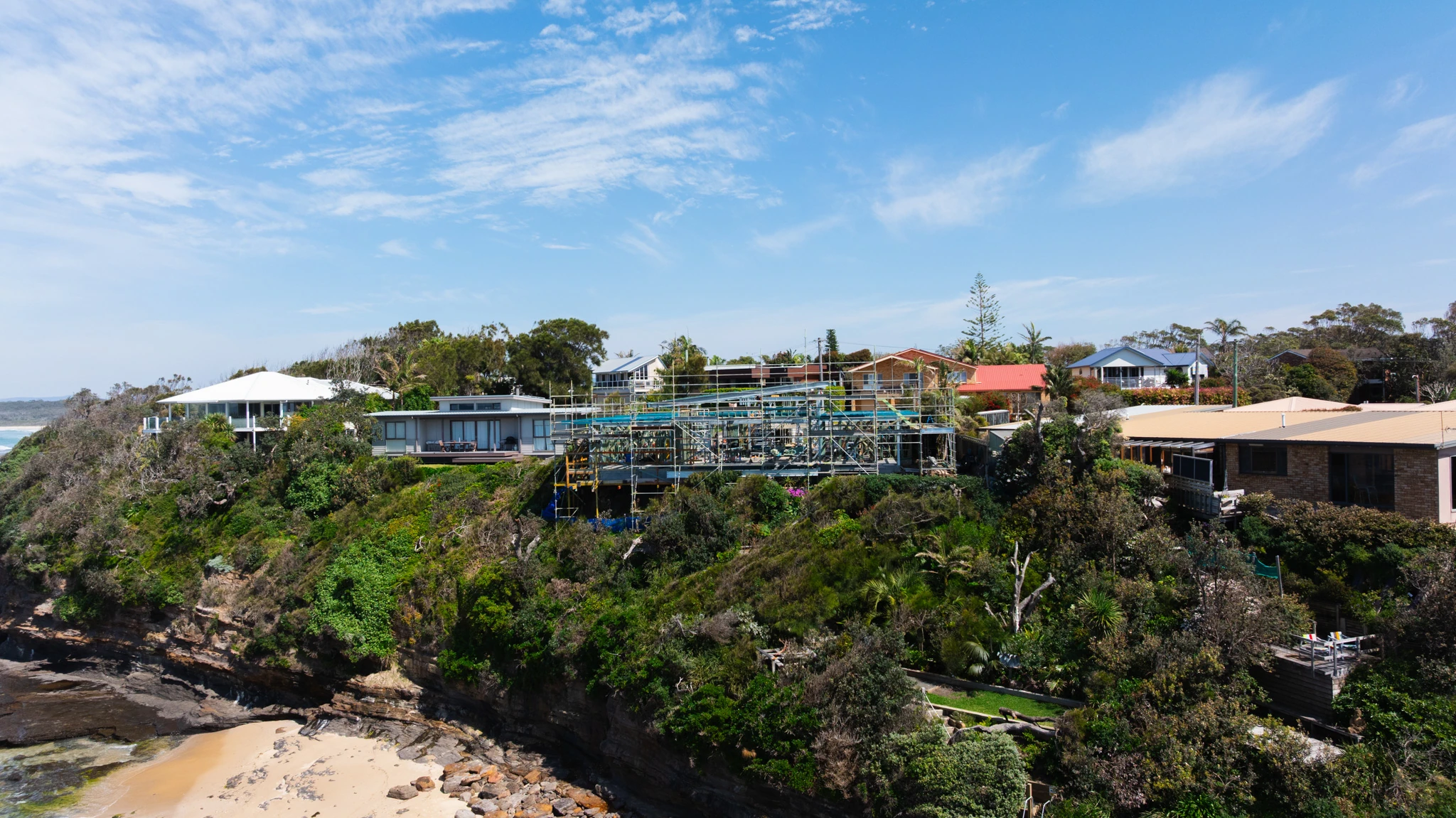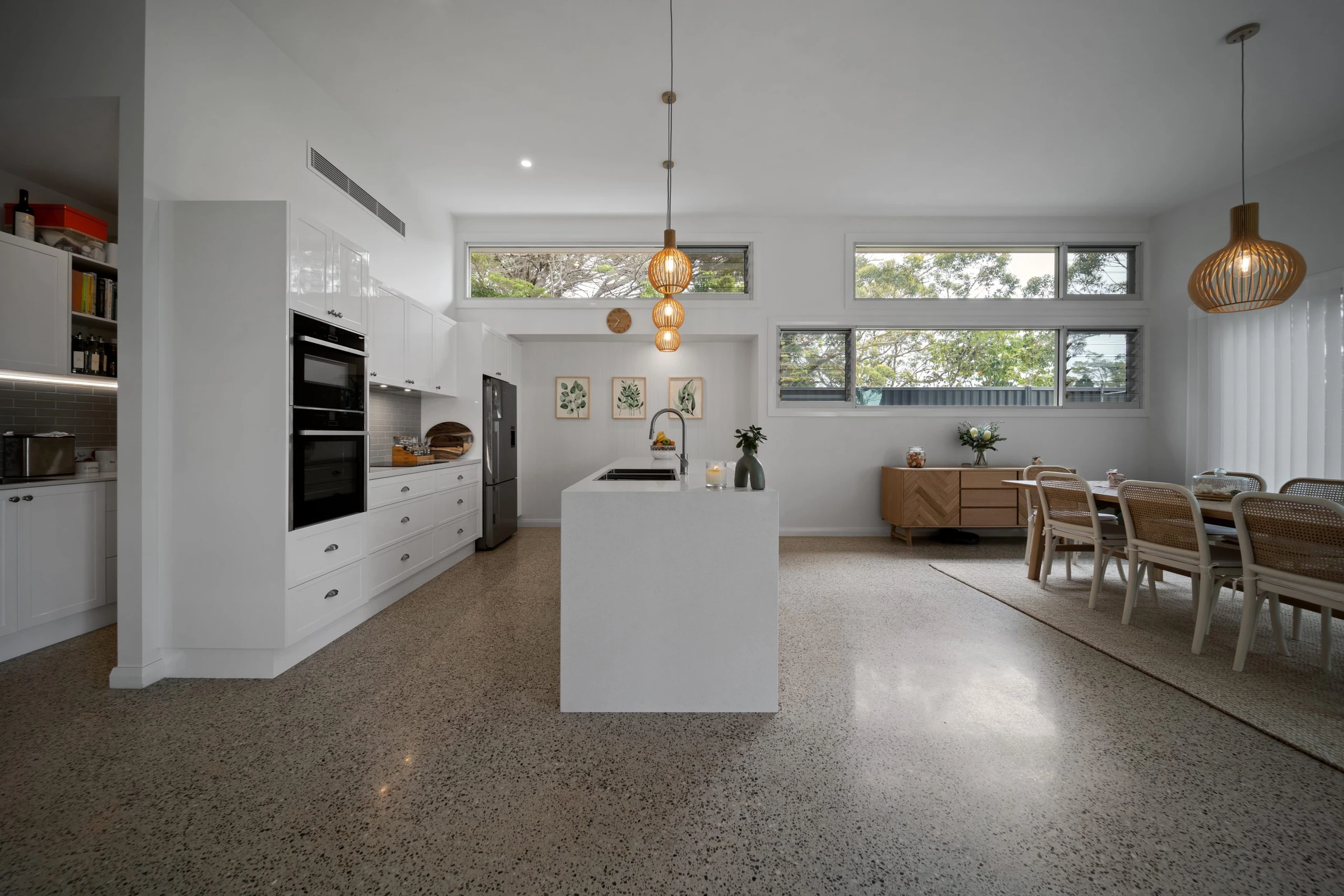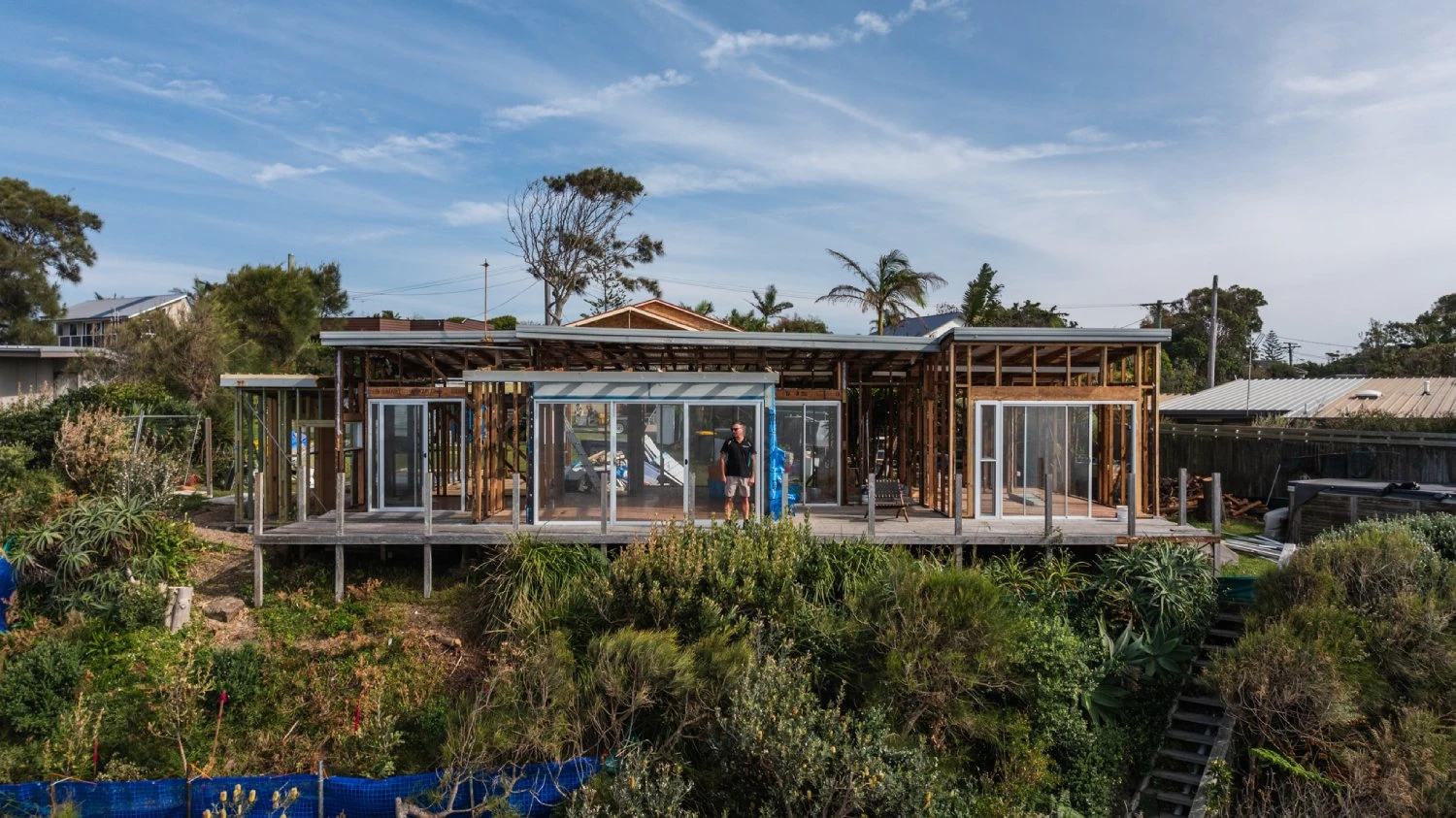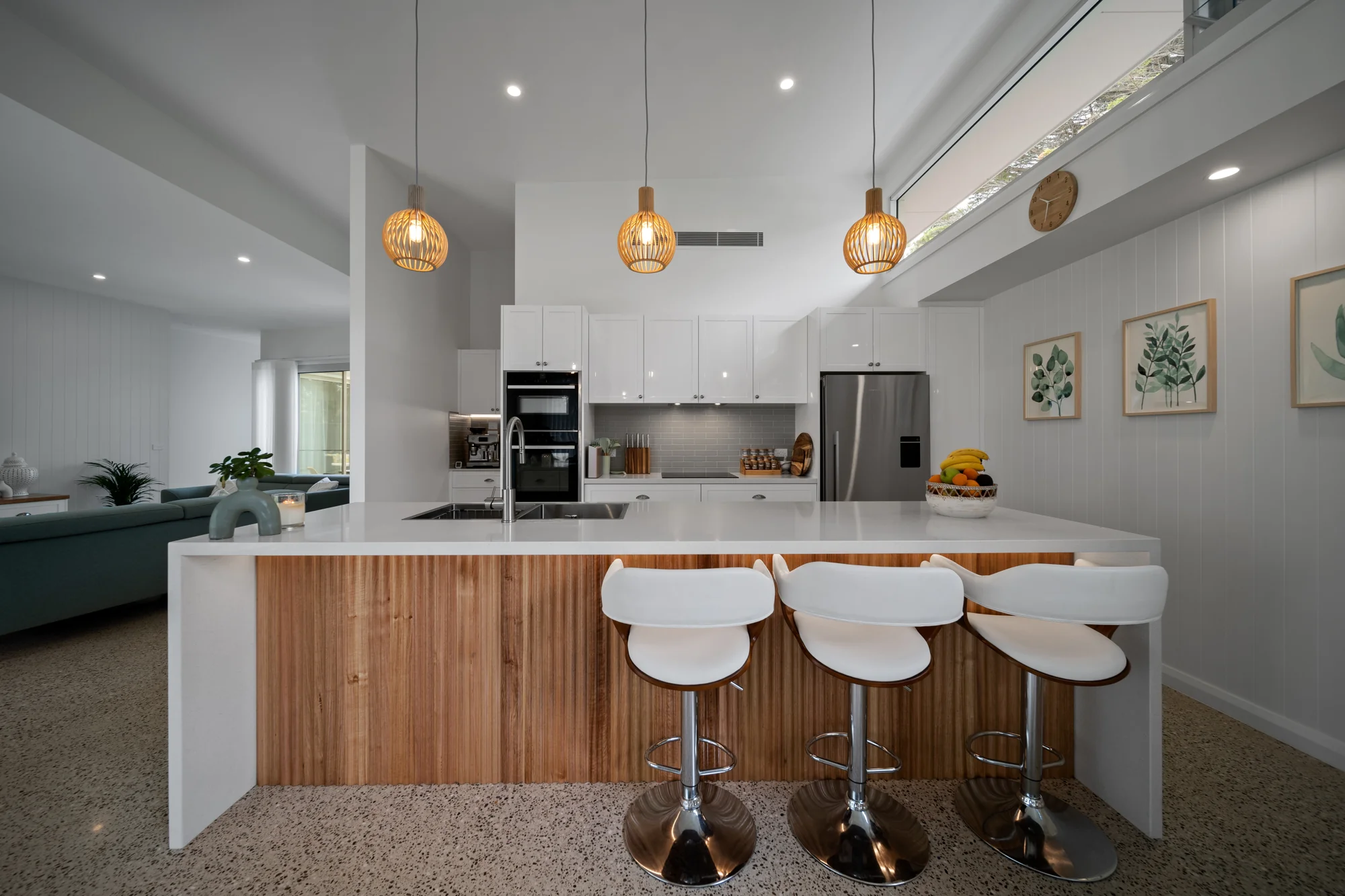
People often talk about building in the Shoalhaven like it is one market. It isn’t. Building in Nowra is a genuinely different proposition to building in Huskisson, Vincentia, Hyams Beach, Sussex Inlet, or Ulladulla. Site conditions, planning controls, coastal exposure, environmental overlays, and even council processing timeframes all vary depending on where your block is. Understanding those differences before you commit to a design - or a builder - can save you significant time, money, and frustration.
This is why location-specific advice matters. The Shoalhaven covers a vast geographic area, and a builder who works exclusively in this region accumulates a practical understanding of those differences that simply isn’t available from a volume builder running projects across half of NSW. What follows is an honest overview of what actually changes across the key building locations on the South Coast - and what those differences mean for your project.
Nowra and the Shoalhaven River Corridor
Nowra is the commercial and administrative centre of the Shoalhaven, and building here feels the most like building in a conventional suburban context - but with a few important local considerations that catch people off guard.
The Shoalhaven River floodplain is the most significant factor for many Nowra properties. Flood planning requirements apply across a broad area of the town, and understanding how they affect your specific block is essential before design begins. Floor level requirements, fill limitations, and drainage management conditions can all flow from a flood overlay - and discovering them at the DA stage rather than the design stage adds cost and delay that is entirely avoidable.
Nowra also sits within Shoalhaven City Council’s urban residential zones, which means a broader range of lot types, zoning categories, and planning controls than the smaller coastal communities. Dual occupancy, secondary dwellings, and subdivisions are more common here than in the coastal villages, and navigating the right planning pathway for your project requires good local knowledge.
Jervis Bay | Huskisson, Vincentia, and Hyams Beach
The Jervis Bay area represents the premium end of the Shoalhaven building market, and for good reason. The combination of the bay, the national park, and the quality of the natural environment has made this one of the most sought-after coastal destinations in NSW - and land values have risen to reflect it.
Building here, however, is not straightforward. A few things set the Jervis Bay communities apart from the rest of the Shoalhaven:
Coastal zone planning controls
Properties in and around the Jervis Bay area sit within a coastal management framework that places significant weight on environmental protection. The proximity to Jervis Bay Marine Park, the presence of sensitive vegetation communities, and the coastal location itself all create planning considerations that need to be addressed in a DA. Environmental impact assessments, vegetation management plans, and coastal hazard considerations are common requirements for projects in this area.
Premium expectations
The investment in land here is substantial - blocks in Vincentia, Huskisson, and Hyams Beach command budget expectations that place significant pressure on the total project budget. Clients building in this area typically have high expectations for design quality and finish level, and rightly so. A home in this location needs to perform and present at a level that reflects what the land is worth and what the setting demands.
Wind and coastal exposure
Parts of the Jervis Bay area - particularly ocean-facing and elevated blocks - experience significant wind exposure. This affects structural engineering requirements, roofing and cladding specifications, and window and door selections. Getting the engineering right for the specific exposure of your block is non-negotiable here.
Bushfire overlays
The proximity of the Jervis Bay National Park and surrounding bushland means that a significant proportion of residential properties in this area carry a BAL rating. At Hyams Beach in particular, BAL requirements are a central feature of nearly every build. These need to be understood and costed early - not discovered at tender.
Mollymook, Milton, and Ulladulla
The southern end of the Shoalhaven - Mollymook, Milton, and Ulladulla - has its own distinct character and a building market that has grown substantially in recent years as improved road connections have brought Sydney within easier reach.
Mollymook offers ocean frontage and a relaxed village feel that has attracted a wave of permanent sea-changers from Sydney and Canberra. Building here typically means working with established residential blocks, some with significant slope, and navigating coastal zone requirements where properties are close to the beach or headland. The cliff-top and ocean-view blocks are spectacular but demand careful engineering and envelope design for both wind and salt air exposure.
Milton, set slightly inland from the coast, offers a different proposition - heritage character, rural-residential properties, and a planning context that includes heritage overlays in parts of the town centre. For clients considering larger rural-residential blocks in the Milton area, land capability and onsite waste management requirements become relevant considerations.
Ulladulla is the largest town at the southern end of the Shoalhaven and offers the most diverse range of block types, planning zones, and building opportunities. The harbour setting creates its own salt air and wind exposure considerations, while the residential areas inland from the coast offer more sheltered building conditions. DA timeframes in Ulladulla can be challenging, and having a builder with established local relationships helps navigate that process.
Sussex Inlet and the Lake Communities
Sussex Inlet, Lake Conjola, Manyana, Berrara, and Cudmirrah form a distinct cluster of waterway and national park communities that share a common character - quiet, bush-framed, waterway-adjacent - but each with their own specific building context.
Acid sulfate soils
This is the most significant and most underestimated challenge across the lake and estuary communities. Acid sulfate soils are present across large areas of low-lying land adjacent to lakes, estuaries, and coastal waterways throughout this region. Disturbing these soils during excavation or earthworks - without proper management - can cause serious environmental harm and create ongoing structural problems. Identifying whether your block is affected, and managing any disturbance correctly, is a non-negotiable part of building in these areas.
Lake frontage engineering
Blocks with direct water frontage on Lake Conjola, St Georges Basin, or the Sussex Inlet waterway carry specific engineering requirements related to ground conditions near the water’s edge, erosion management, and the structural loads that can be safely applied to the land. These are not insurmountable challenges - we have built extensively on lake frontage blocks - but they need to be understood and costed from the outset.
Bushfire requirements driven by national park proximity
The national park boundaries in this part of the South Coast sit very close to - and in some cases directly adjacent to - residential land. At Berrara and Cudmirrah in particular, almost every property carries a meaningful BAL rating. BAL-40 and BAL-FZ ratings are not uncommon. This has real implications for construction costs, material specifications, and the design of the building envelope, and it needs to be addressed at the design stage rather than at tender.
Environmental and planning constraints
Many blocks in the lake communities sit within or adjacent to land that carries environmental constraints - wetland buffers, vegetation protection zones, coastal management controls. DA applications in these areas routinely require more detailed environmental assessment than a straightforward suburban residential build, and the timeframes can reflect that. Working with a builder who understands the local planning landscape from the outset saves time and money at this stage.
Sanctuary Point and St Georges Basin
Sanctuary Point is the largest town on St Georges Basin and offers a more established residential character than the smaller lake communities to the north. The town has good amenities, a strong permanent population, and a building market that skews toward long-term owner-occupiers rather than holiday makers.
Building here presents a different profile of challenges to the national park-adjacent communities. BAL requirements are less universally significant than at Berrara or Cudmirrah, but they apply to some fringe properties. Flood planning is relevant for lower-lying and basin-adjacent blocks. And as with all coastal locations, salt air and humidity need to be properly accounted for in material and construction specifications.
The surrounding Basin communities - Basin View, St Georges Basin village, and Tomerong - each have their own character and planning context, and we build across all of them.
What All These Locations Have in Common
For all the differences between Nowra and Jervis Bay, between Hyams Beach and Sussex Inlet, there are a few things that apply consistently across the entire Shoalhaven:
Shoalhaven City Council’s DA process
Every location across the Shoalhaven sits within the same council jurisdiction, which means the same DA and CDC frameworks apply - even if the specific controls, overlays, and assessment requirements vary by location. Understanding the council’s processes, timeframes, and expectations, and building good relationships with the certifiers and engineers who work in this space, is something that comes with years of operating exclusively in this region.
The value of getting it right early
In every location we work, the most expensive mistakes are the ones made before construction starts - designs that don’t account for site-specific costs, budgets built without understanding the BAL rating or flood requirements, and programs that don’t allow for the real timeframes of the DA process. Our ECI process exists specifically to eliminate these problems by getting the right information on the table before design is finalised.
The coastal environment demands coastal building standards
Whether you’re building in Nowra or on a lake-edge block at Conjola, the Shoalhaven’s coastal climate affects every building. Salt air, humidity, coastal winds, and fire risk are present across the region to varying degrees. Building to a standard that accounts for those forces from the outset - rather than treating them as exceptions or upgrades - is the difference between a home that holds its value and one that starts costing money to maintain within a decade.
Getting Location-Specific Advice
The differences outlined above are real, and they matter for your project. A design that works perfectly on a sheltered residential block in Nowra may need significant modification to be appropriate for an exposed ocean-facing lot in Vincentia, or a national park-adjacent block in Berrara.
That is why we build location-specific advice into everything we do - from the first site visit through to the design review and scoping process. If you are comparing locations, or trying to understand what a particular block will mean for your build, that is exactly the kind of conversation we are happy to have before you commit to anything.
For more detail on the specific building context in each area, see our suburb pages for Nowra, Huskisson, Vincentia, Hyams Beach, Sussex Inlet, Ulladulla, Mollymook, Milton, Sanctuary Point, Lake Conjola, Berrara, and Cudmirrah.
For a broader overview of where we work across the region, see our Shoalhaven service areas page. If you are weighing up whether your project is better suited to a renovation or extension, a knockdown rebuild, or a fully custom home, those pages are a good place to start. Good decisions early make the whole project smoother.
Ready to talk about your South Coast build?
Call Jamie on 0483 947 396 or Start your project here. We take on a limited number of projects each year - the earlier you reach out, the better.