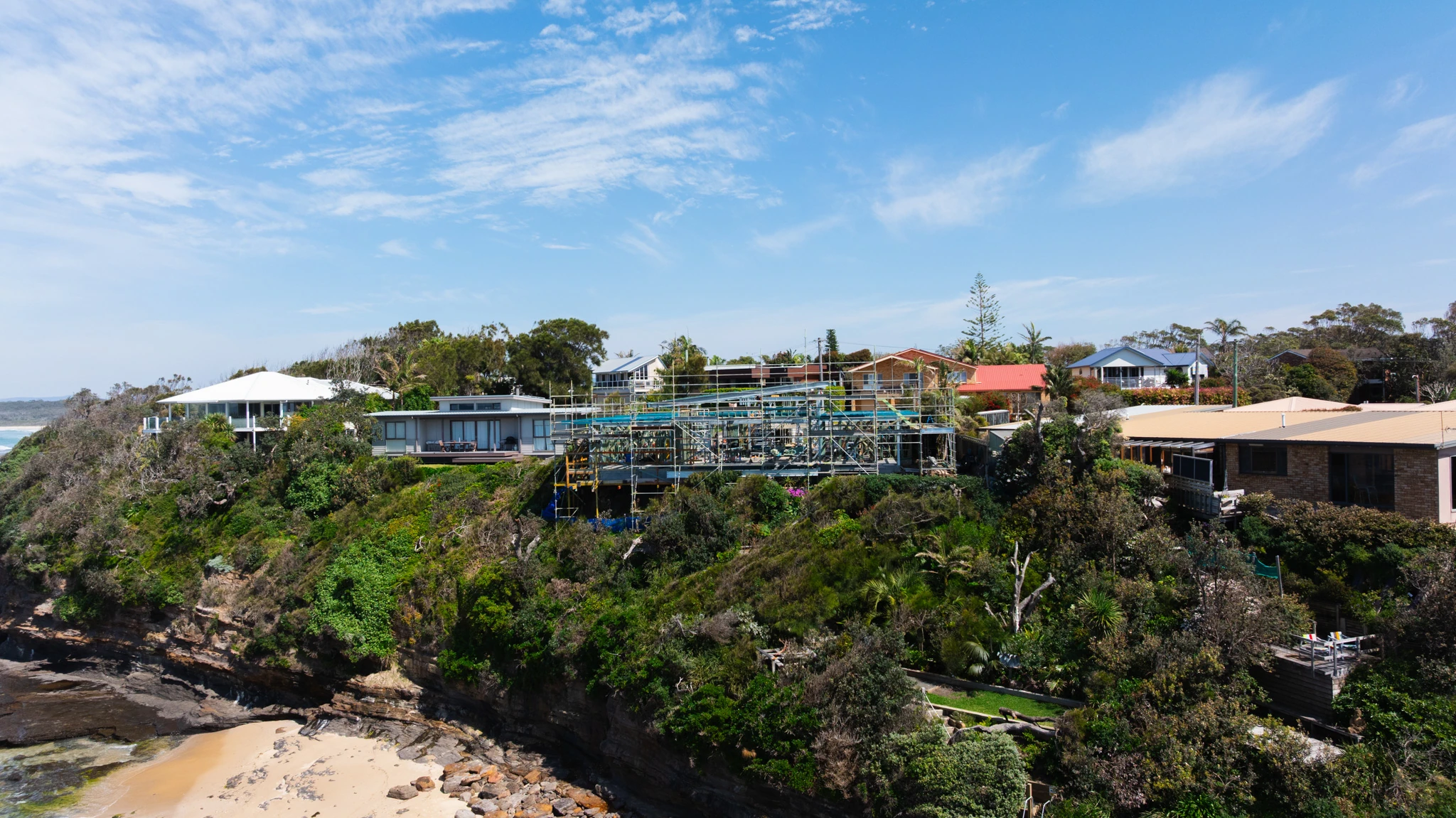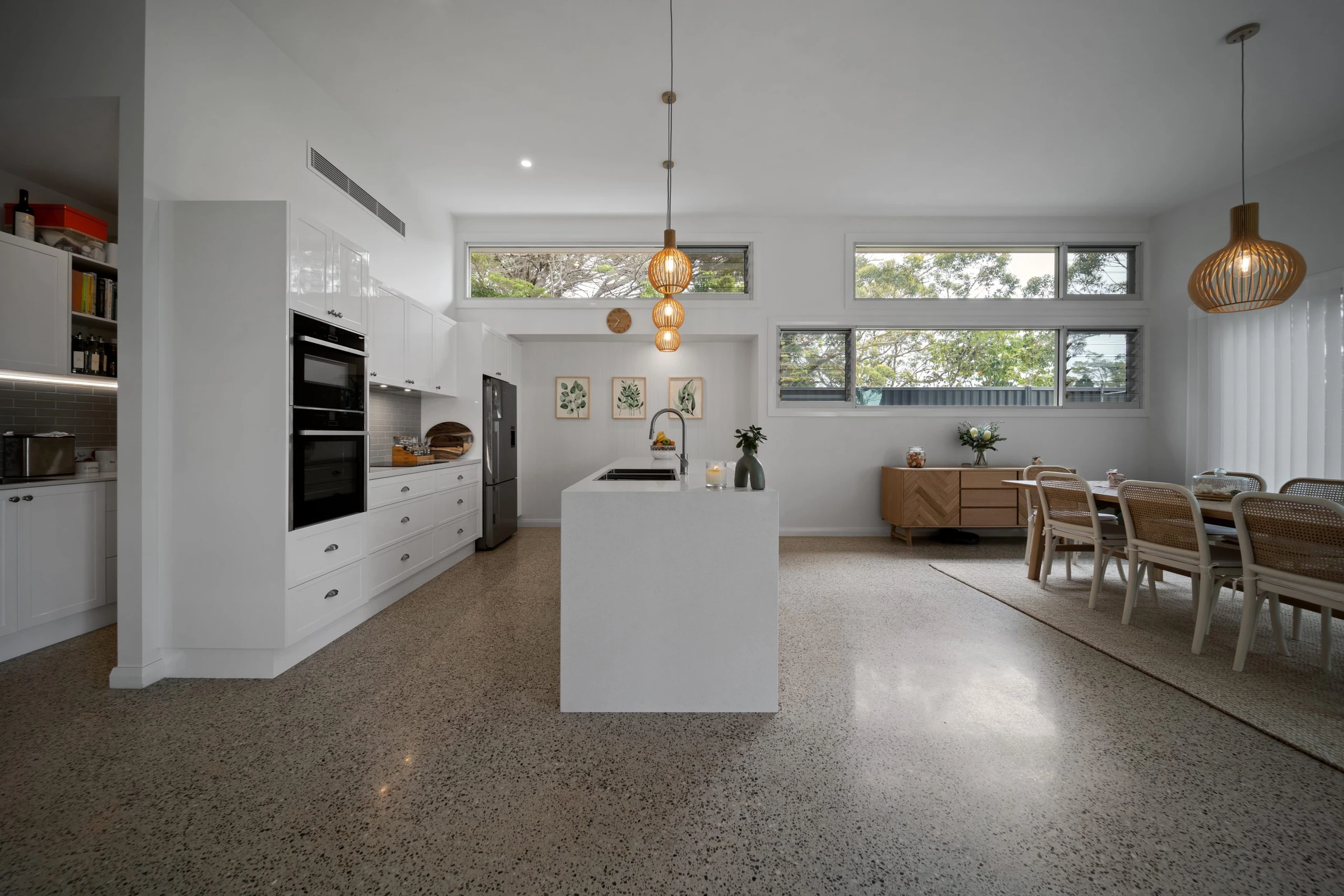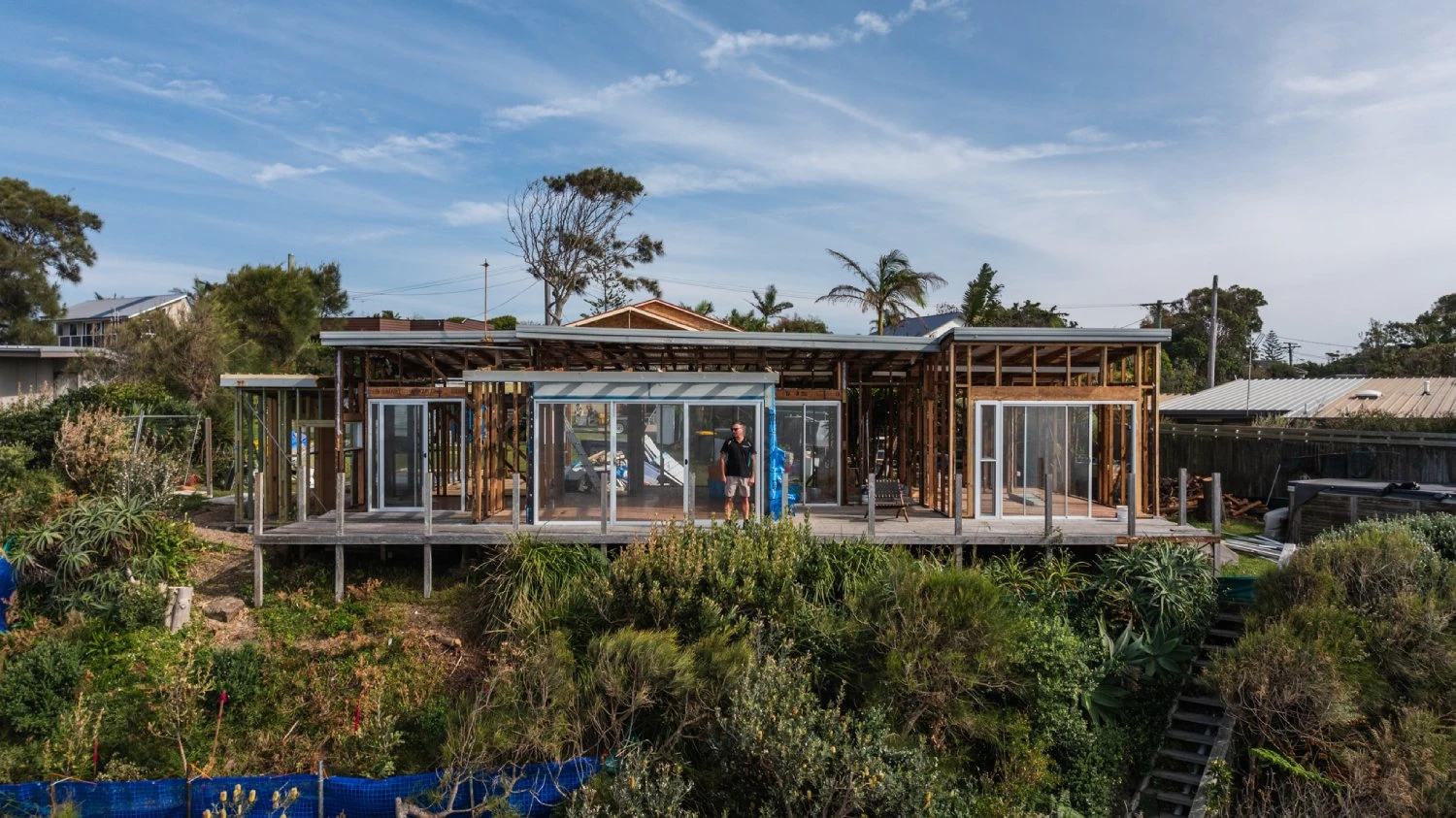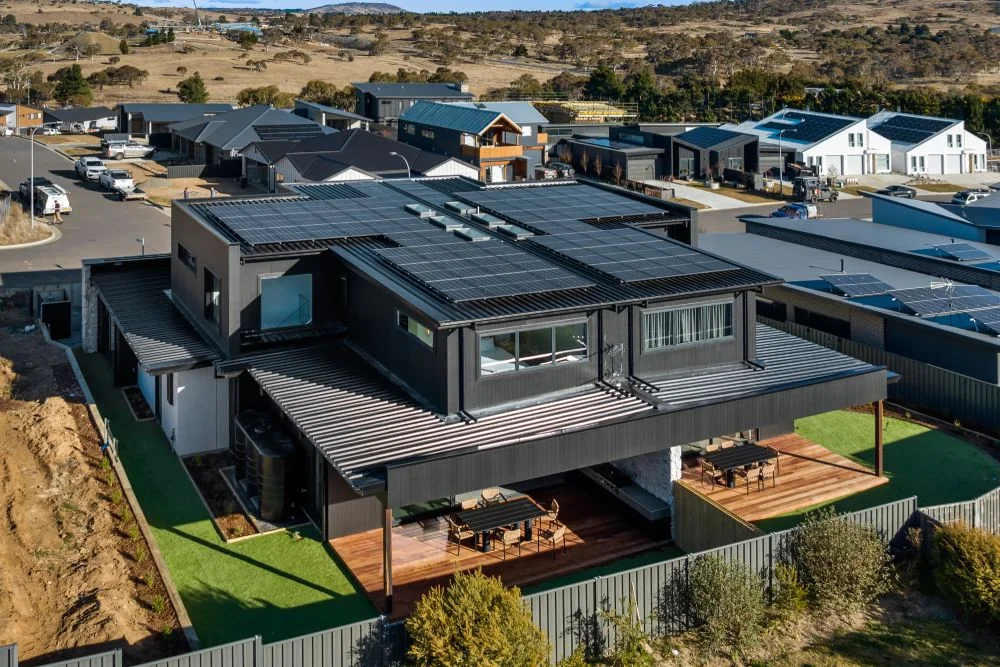
There’s something special about waking up to the sound of waves rolling onto the shore. Living on the South Coast NSW feels like having nature as your next-door neighbour. I’ve always thought coastal living has a bit of movie magic about it-until you start planning a home build and realise the ocean has opinions too.
Building Custom Homes along the coast is exciting, but it comes with a unique set of challenges. Salt in the air, shifting soil, strong winds, council requirements, and rising construction costs all like to join the conversation. The good news? With proper planning, you can create a home that looks incredible and stands the test of time.
If you’re considering building near the beach, this guide will walk you through the most common hurdles and how you can tackle them without losing sleep-or your sense of humour.
If you’re exploring ideas and inspiration for Custom Homes in South Coast NSW, understanding these challenges early can save you time, money, and a few grey hairs later.
Why Coastal Custom Homes Are Different
Building inland is one thing. Building beside the ocean is another story entirely.
Coastal environments are beautiful, but they’re harsh on buildings. Your home constantly battles moisture, salty air, heavy rainfall, and strong winds. Every material, design choice, and construction method needs to account for these conditions.
Think of it this way: your home isn’t just a place to live-it’s your frontline defender against the elements.
Common Coastal Factors Include:
- Salt exposure
- High humidity
- Wind pressure
- Flood risks
- Soil movement
- Bushfire considerations in some areas
Because of this, coastal Custom Homes require more detailed planning than standard residential builds.
1. Salt Air and Corrosion
Salt is fantastic on hot chips. On building materials? Not so much.
Salt-laden air accelerates corrosion, particularly on:
- Steel fixtures
- Roofing materials
- Window frames
- Balustrades
- Outdoor fittings
Without the right materials, you’ll notice rust and deterioration much sooner than expected.
For this reason, builders often recommend:
Building Element
Recommended Coastal Material
Roof
Colorbond® Coastal Grade
Fasteners
Stainless Steel
Windows
Powder-coated Aluminium
Deck Fixtures
Marine-grade Stainless Steel
Choosing premium materials may increase your upfront budget, but it usually reduces maintenance costs over the long term.
2. Strong Coastal Winds
If you’ve spent an afternoon near Kiama or Jervis Bay, you’ll know the wind doesn’t exactly knock politely.
Coastal homes need structural reinforcement to handle:
- Cyclonic wind loads (where applicable)
- Storm events
- Seasonal weather patterns
- Flying debris
Your builder may need to include:
- Reinforced framing
- Additional tie-down systems
- Impact-resistant glazing
- Stronger roof connections
Modern Custom Homes can absolutely embrace open-plan living and large windows, but they need engineering behind the scenes to make it all work safely.
3. Challenging Soil Conditions
The ground beneath your feet matters more than most people realise.
Coastal areas often experience:
- Sandy soils
- Reactive clay pockets
- High water tables
- Soil erosion
Before construction begins, you’ll usually need a geotechnical assessment. This helps determine:
- Foundation requirements.
- Drainage needs.
- Excavation considerations.
- Site stability.
Skipping this step is a bit like buying a car without checking the engine-it might look great initially, but problems tend to appear at the worst possible time.
4. Council Regulations and Approvals
Building on the South Coast often involves additional planning requirements.
You may need approval relating to:
- Coastal protection zones
- Environmental impacts
- Height restrictions
- Stormwater management
- Bushfire compliance
- Heritage overlays
Local councils understandably want to preserve the beauty of the coastline. While approvals can take longer, they’re there for good reason.
It’s always worth engaging experienced professionals who understand local requirements before lodging plans.
By the way, the NSW Government provides useful guidance through the NSW Planning Portal for coastal developments, helping homeowners understand planning pathways and building approvals.
5. Flood Risks and Water Management
Nobody likes talking about flooding while imagining their home, but it’s an important consideration.
Some coastal blocks may require:
- Raised floor levels
- Improved drainage systems
- Retaining walls
- Stormwater detention solutions
Flood-resilient design doesn’t mean sacrificing style. In fact, elevated homes often create stunning architectural opportunities, particularly when paired with ocean views.
6. Balancing Design with Practicality
I love homes with floor-to-ceiling glass and expansive outdoor entertaining spaces. Coastal homeowners usually do too.
However, there’s a balancing act between aesthetics and durability.
Questions worth asking include:
- Will the deck require constant maintenance?
- Can those large windows withstand storms?
- Is the roof design suitable for wind exposure?
- Will outdoor materials fade quickly?
A good coastal design doesn’t fight the environment-it works with it.
That’s why many modern Custom Homes now incorporate:
- Passive solar design
- Cross ventilation
- Shaded outdoor areas
- Energy-efficient glazing
- Durable external finishes
7. Construction Costs Can Increase
Building near the coast often costs more than building inland.
Factors influencing costs include:
Cost Factor
Impact
Premium Materials
Higher upfront investment
Engineering Requirements
Increased structural costs
Site Preparation
Additional excavation and drainage
Council Compliance
Approval and consultant fees
Access Challenges
Transport and labour expenses
While budgets matter, cutting corners in coastal construction can become expensive later.
It’s usually better to invest wisely from day one than replace rusted fixtures and damaged materials five years down the track.
8. Trades Coordination and Specialist Services
Coastal projects often involve more moving parts than people expect.
Large residential projects require coordination between multiple specialists, including:
- Structural engineers
- Surveyors
- Electricians
- Plumbers
- Landscapers
- Waterproofing experts
On larger developments and mixed-use projects, builders may also coordinate specialised construction services such as fire services core drilling Melbourne, concrete core drilling for fire services, fire sprinkler core drilling, fire hydrant core drilling, fire protection core drilling, commercial fire services drilling, fire penetration drilling, core drilling for fire systems, fire services penetration contractors, and fire services concrete cutting where building compliance requirements apply.
Although these services are more common in commercial environments, they highlight how modern construction increasingly relies on specialist expertise to achieve safe, compliant outcomes.
9. Ongoing Maintenance Matters
Owning coastal Custom Homes means committing to regular maintenance.
Here’s a simple annual checklist:
- Wash exterior surfaces.
- Inspect roofing.
- Check seals around windows.
- Repaint exposed surfaces if required.
- Service drainage systems.
- Inspect decks and balustrades.
A little maintenance each year can significantly extend your home’s lifespan.
The upside? You get to enjoy sunsets over the ocean while doing it. That’s not the worst trade-off in the world.
Building Smarter Along the South Coast
Building a coastal home isn’t about avoiding challenges-it’s about preparing for them.
When I think about the best coastal homes across South Coast NSW, they all share a few things:
- Thoughtful design.
- Durable materials.
- Experienced builders.
- Strong planning.
- Attention to detail.
Coastal living remains one of Australia’s most desirable lifestyles, and for good reason. With the right team and a clear understanding of what’s involved, your home can thrive beside the sea for decades.
Conclusion
Building Custom Homes in coastal areas comes with its fair share of challenges, but none of them are impossible to overcome. From salt exposure and wind resistance to planning approvals and maintenance, every decision plays a role in creating a home that feels as good in twenty years as it does on day one.
If you’re planning your next coastal project across South Coast NSW, taking the time to understand these considerations now will make the journey smoother, more enjoyable, and ultimately more rewarding.
Ready to start building your coastal home? Get in touch with our team and let’s bring your vision to life.
Frequently Asked Questions
1. Are Custom Homes more expensive to build near the coast?
Yes. Coastal projects typically require premium materials, additional engineering, and enhanced weather protection measures, which can increase construction costs.
2. What materials work best for coastal homes?
Marine-grade stainless steel, powder-coated aluminium, and coastal-grade roofing products generally perform well in salty environments.
3. How long does council approval take for coastal developments?
Approval timeframes vary depending on the site and local council requirements. Complex coastal sites may take longer due to environmental assessments.
4. Can I build a modern home with large windows near the beach?
Absolutely. Many coastal homes feature extensive glazing, but the windows must meet structural and wind-loading requirements.
5. How often should coastal homes be maintained?
A yearly maintenance inspection is recommended, with more frequent checks for external fixtures exposed to salt and moisture.
6. Do coastal homes have higher insurance costs?
In some locations, yes. Factors such as flood risk, bushfire zones, and proximity to the ocean can influence insurance premiums.
7. Is building a custom home on the South Coast NSW worth it?
For many homeowners, the lifestyle benefits outweigh the additional planning and construction considerations. Few things compare to living moments from the beach in a home designed entirely around your lifestyle.