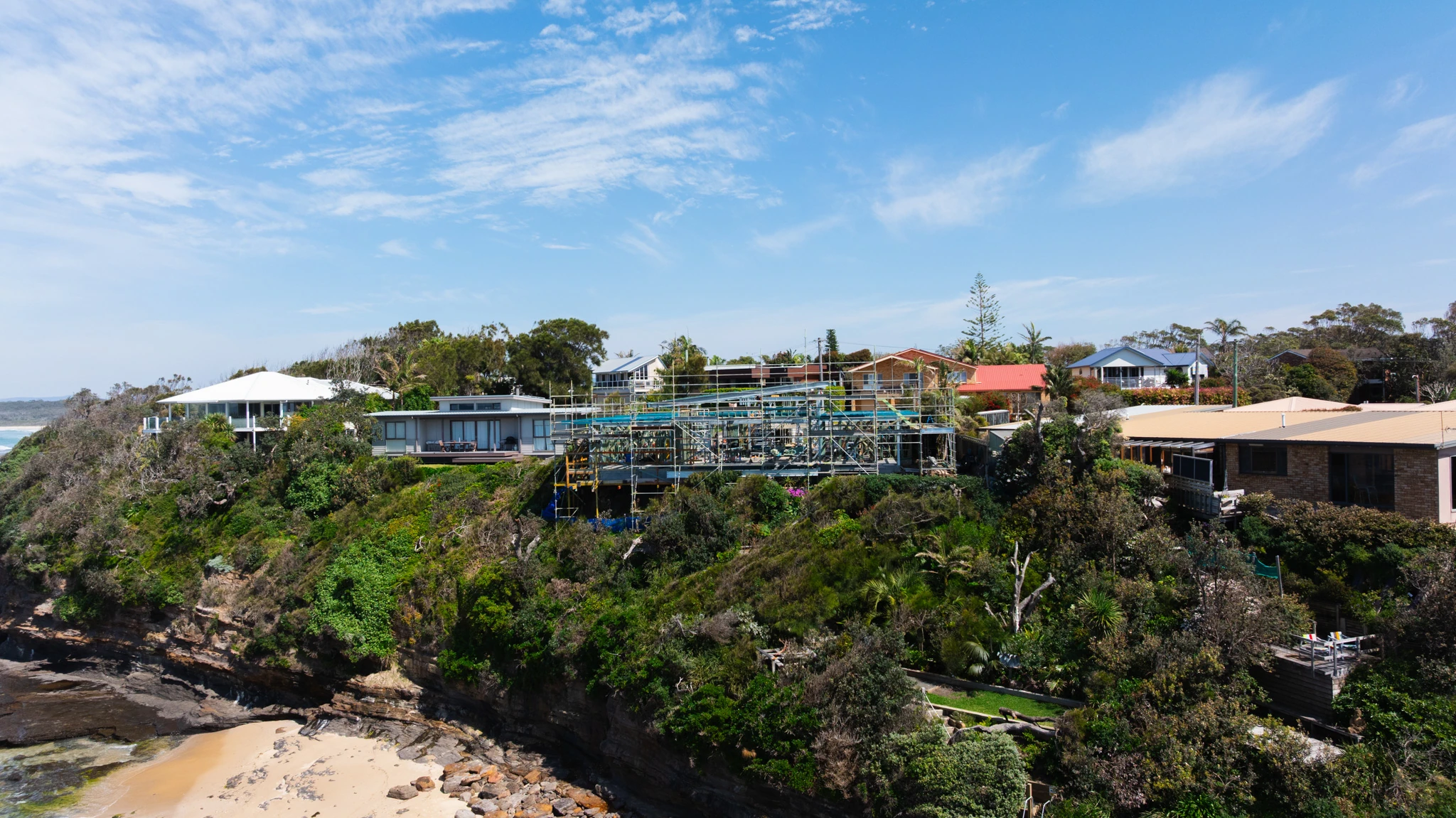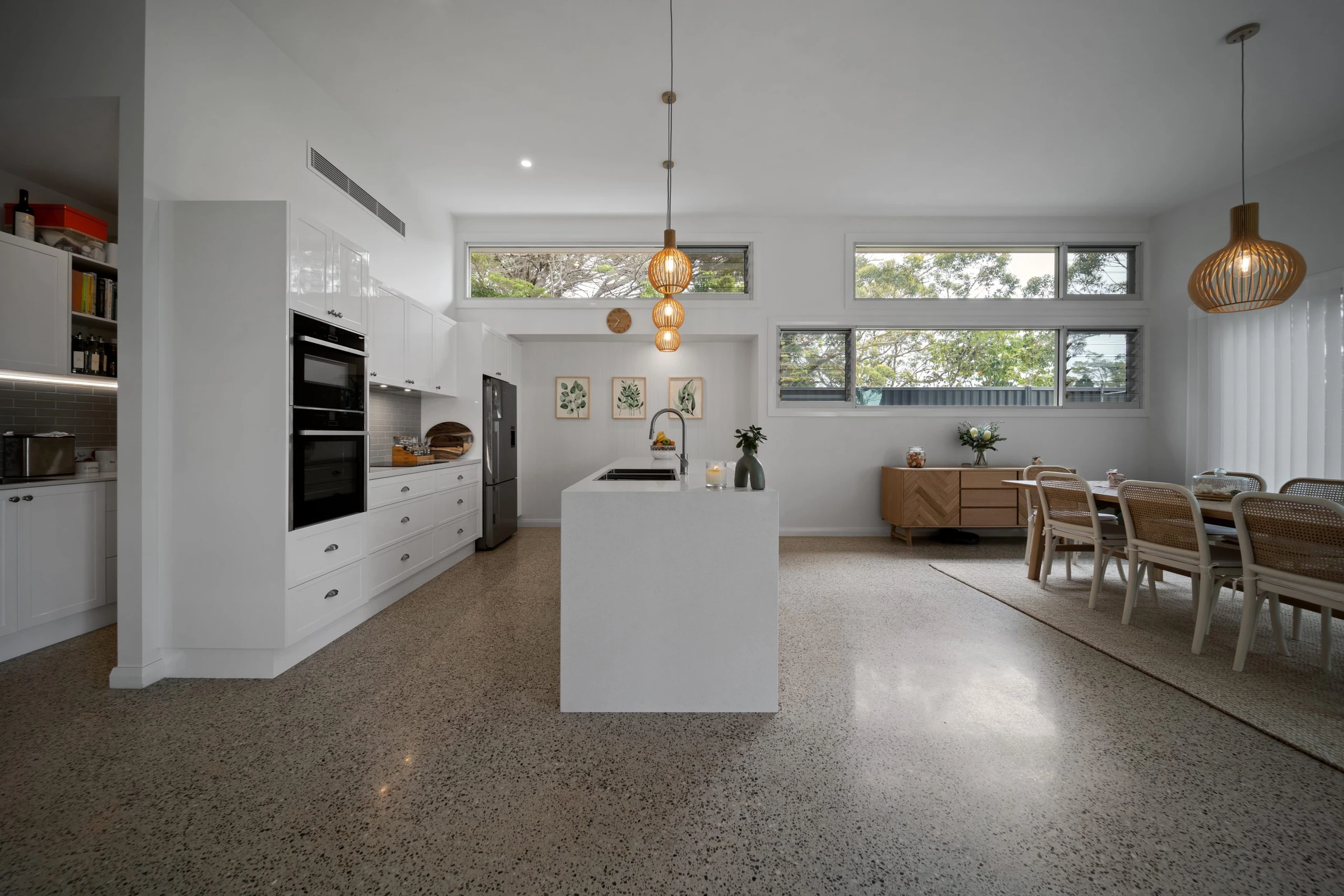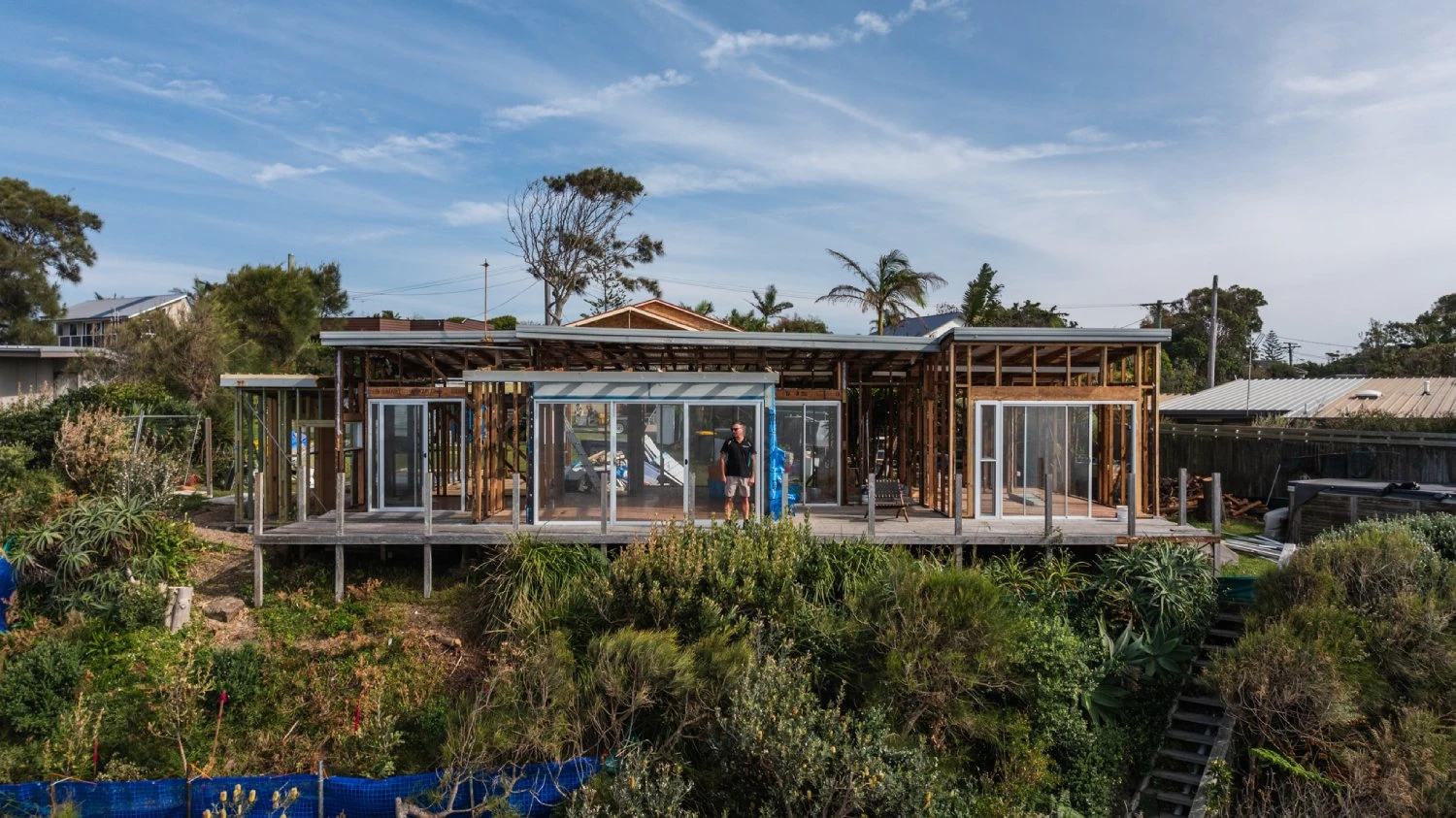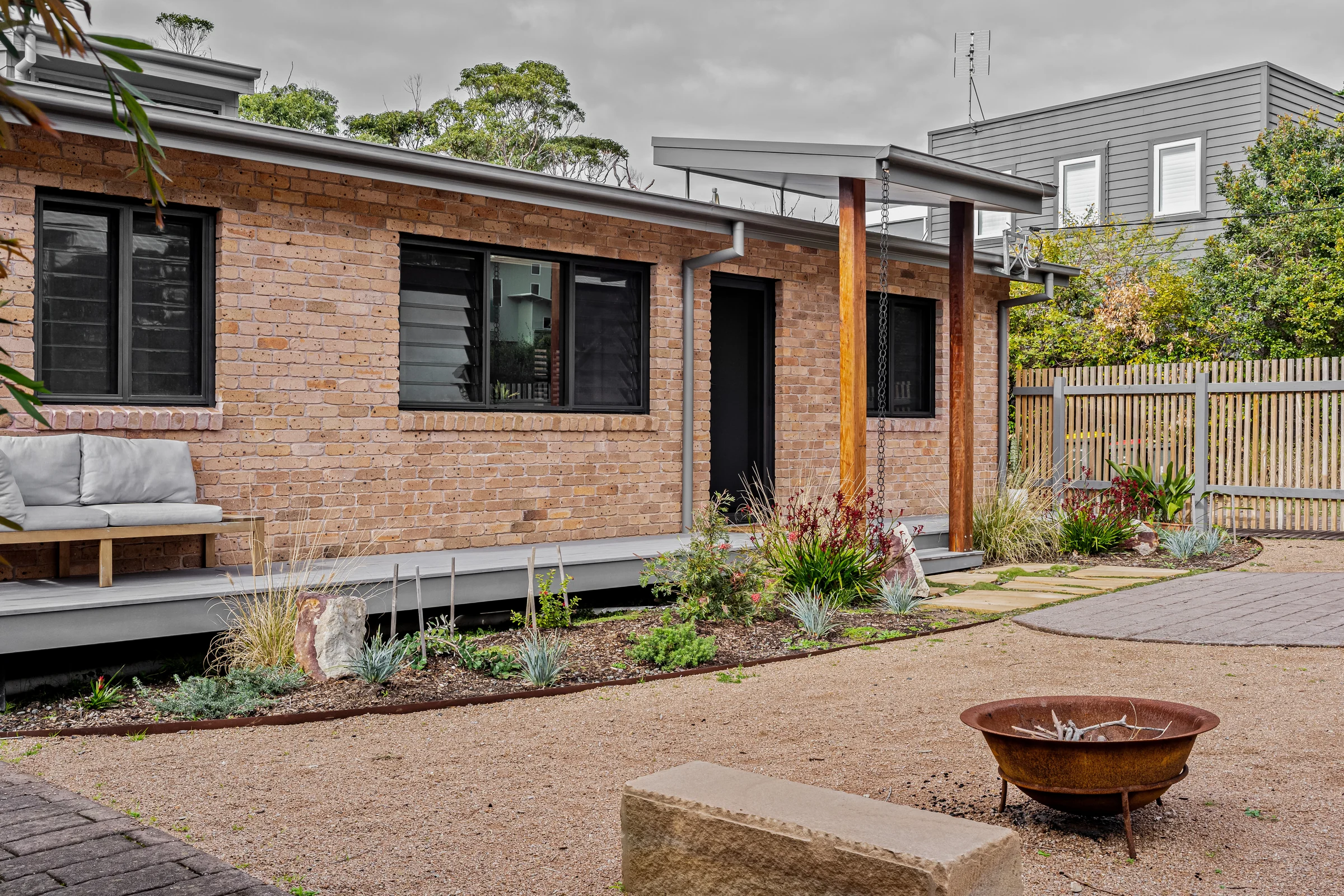
Secondary dwellings have gone from a niche add-on to one of the most requested builds in NSW. According to HIA data, the number of secondary dwellings being built in 2026 is roughly ten times what it was in 2022. That’s not a trend . that’s a structural shift in how Australians are thinking about their land, their families, and their finances.
If you own a property on the NSW South Coast and you’ve been wondering whether a granny flat is worth it, this is worth reading before you pick up the phone to anyone.
Why Are So Many People Building Secondary Dwellings Right Now?
The reasons vary, but they usually come down to one of four things:
Multigenerational living. Families are choosing to keep their parents . or their adult kids . close without sharing a front door. A properly built secondary dwelling lets everyone have their own space while remaining on the same property.
Ageing in place. Downsizing doesn’t always mean leaving. Some homeowners build a smaller secondary dwelling on their block, move into it, and either rent out the main home or hand it over to family. It’s practical, it’s dignified, and it preserves connection to community.
Property value uplift. A quality secondary dwelling adds real, bankable value to a property. Buyers see income potential or flexibility . and they pay for it. This is especially true on the South Coast, where coastal lifestyle properties are in demand and quality construction stands out.
Council Approval vs CDC . What’s the Difference?
This is where most people get stuck. The process sounds complicated, but for the majority of standard secondary dwellings in NSW, it doesn’t have to be.
There are two main approval pathways:
Development Application (DA): This is the traditional council route. It involves submitting plans to your local council (Shoalhaven City Council, Eurobodalla, etc.), a public notification period, and council assessment. It can take months, and the outcome isn’t always predictable.
Complying Development Certificate (CDC): This is a faster, private certifier route. If your proposed secondary dwelling meets the State Environmental Planning Policy (Affordable Rental Housing SEPP) requirements . which most standard-sized granny flats in NSW do . you can bypass the DA process entirely. A private certifier issues the CDC, and you can be approved and on site in weeks, not months.
Key CDC eligibility rules for secondary dwellings in NSW (general guide . always verify with your certifier):
- Block size: typically 450m² or larger
- Maximum secondary dwelling size: 60m² (for properties under certain thresholds)
- Setback and height requirements must be met
- The block must already have a primary dwelling
For many South Coast homeowners . particularly in areas like Nowra, Huskisson, Sussex Inlet, and Vincentia . the CDC path is available and significantly faster. The right builder will help you understand which pathway fits your site before you commit to anything.
What Does It Actually Cost?
This is the question everyone asks, and the honest answer is: it depends on who builds it and how.
More importantly, coastal construction has its own demands. Salt air, humidity, wind-driven rain, and moisture-laden environments are hard on buildings. Cheap cladding fails. Poorly specified windows leak. Undersized subfloors become breeding grounds for moisture and mould. A kit home designed for inland suburbia isn’t the same as a building designed for the NSW South Coast.
The question isn’t what’s the cheapest way to build. The question is: what’s the cost of getting it wrong?
How Sureline Approaches Secondary Dwellings
Early Contractor Involvement means this: We get involved early and price the build while the design can still change, so there are no surprises later.
At Sureline, we don’t treat secondary dwellings as a side product. We approach them the same way we approach every build . with Early Contractor Involvement, honest scoping, and the same quality standard we’d use on a full custom home.
ECI means no surprises. We get involved early in the design and planning phase, which means we can identify site challenges, approval pathways, and cost drivers before drawings are locked in. You don’t find out about a problem when you’re already committed.
We build for the coast. Our team works exclusively on the South Coast. We know which products hold up to salt air and which ones don’t. We know which sites flood, which soils shift, and what council and certifiers in Shoalhaven expect. That knowledge saves time and money.
High-performance thinking, even in a small footprint. Jamie’s Passive House training isn’t just for big builds. The principles of thermal comfort, proper ventilation, and moisture control matter in a 55m² secondary dwelling just as much as in a 400m² home. When a building is built properly, it costs less to run and lasts longer . full stop.
Transparency throughout. We give clients a clearly scoped contract with no hidden provisional sums buried in the fine print. You know what you’re signing before you sign it. That’s The Sureline Promise.
Ready to Explore a Secondary Dwelling on Your Property?
A granny flat is a significant investment. It deserves the same rigour you’d apply to any major financial decision. The best starting point is a straightforward conversation about your site, your goals, and what’s actually achievable.
We offer a discovery conversation with no obligation . just an honest discussion about whether a secondary dwelling makes sense for your property and what it would realistically involve.
Start your project with the Sureline team →
Sureline Building Group builds secondary dwellings and custom homes across the NSW South Coast . from Nowra to Ulladulla, including Milton, Mollymook, Huskisson, Sussex Inlet, and Vincentia.