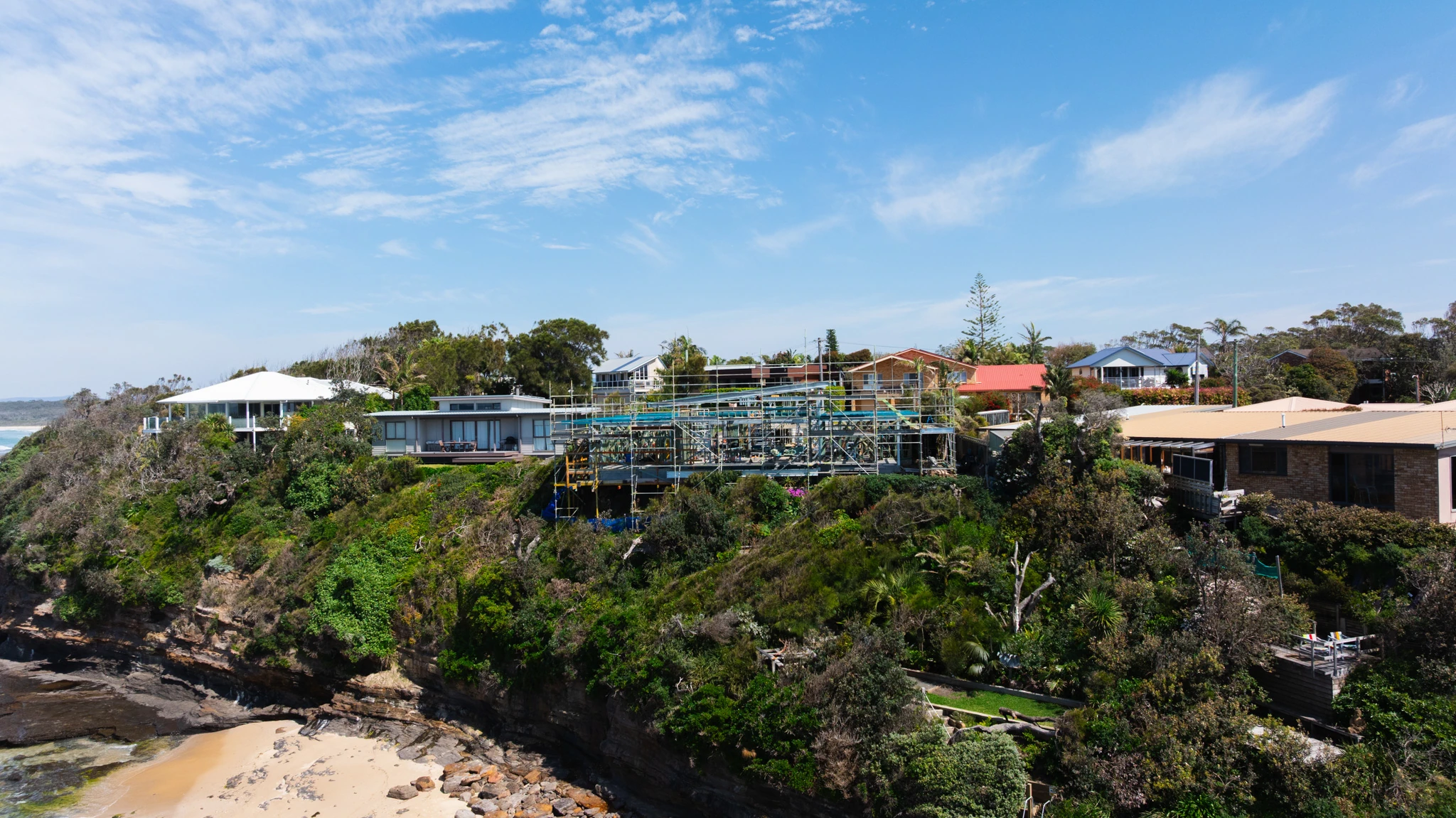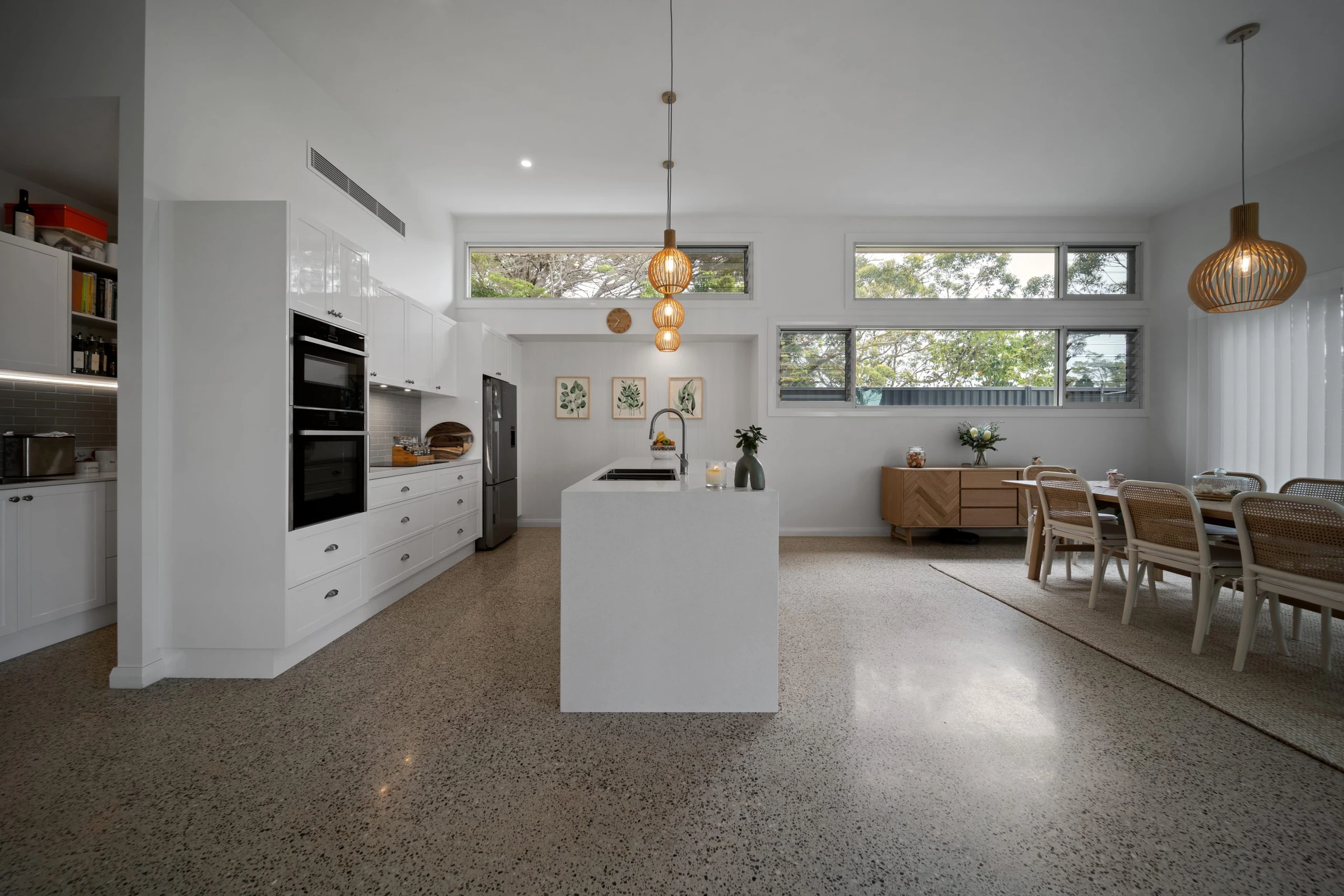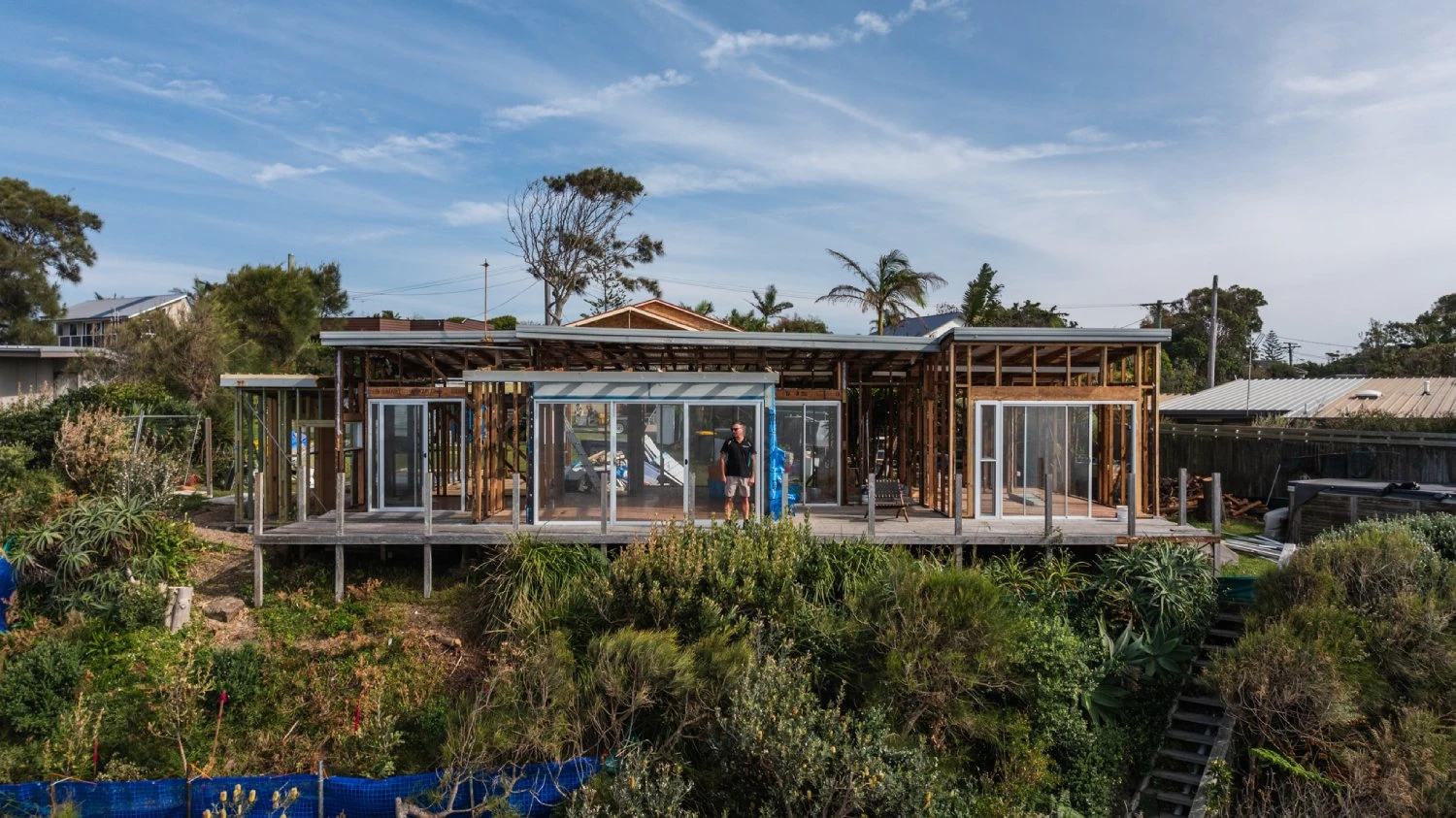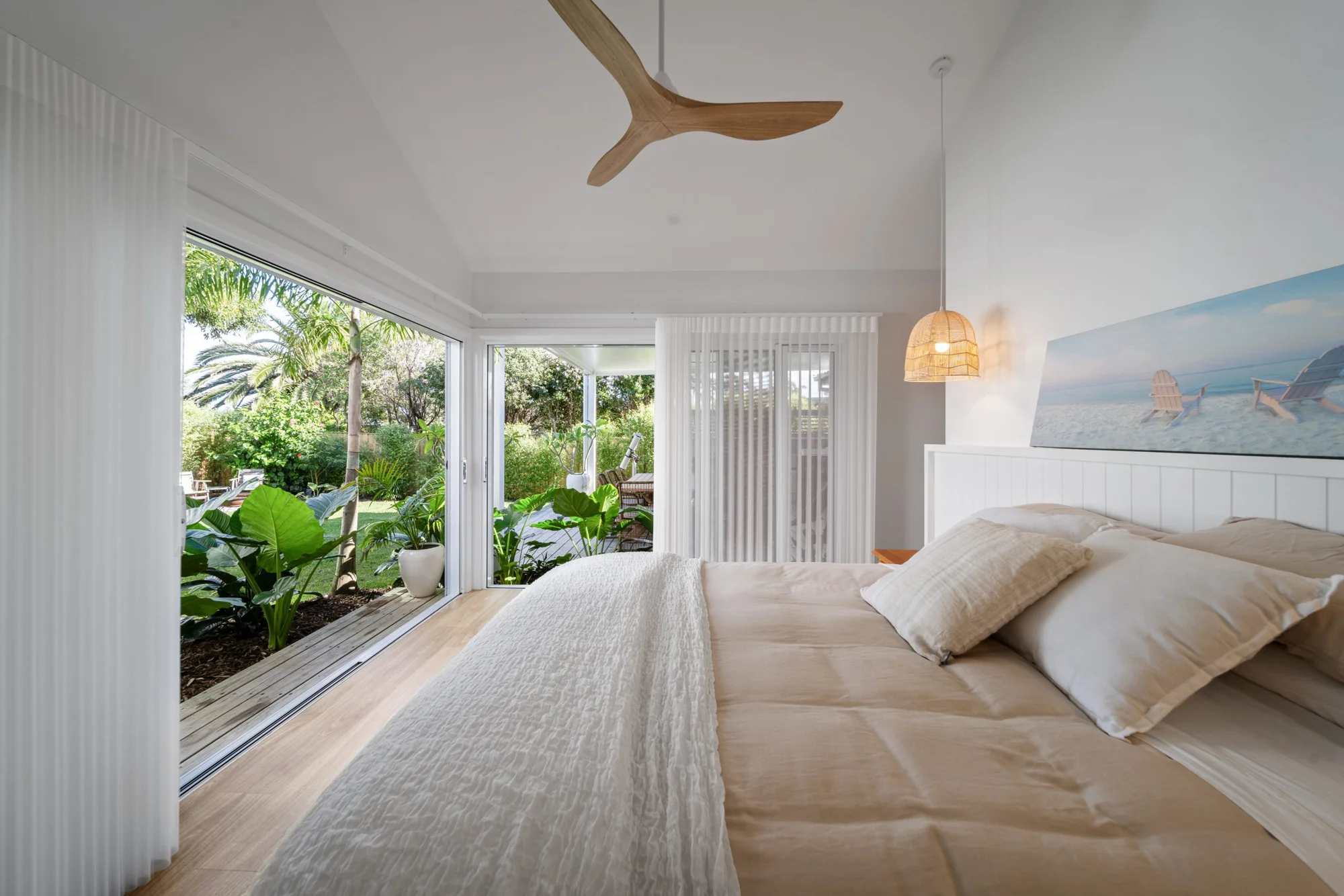
Home can feel a bit small at the worst possible time. One minute you are enjoying the cosy vibe, the next you are tripping over a laptop, a pram, a surfboard, and the dog’s bed like your lounge room has turned into a garage sale with better lighting.
That is where home extensions step in and save the day. A well-planned extension does more than add square metres. It changes how your home feels, how you move through it, and how easily it keeps up with real life.
On the NSW South Coast, where families, professionals, and sea-changers all seem to want a home that does a bit of everything, smart home extensions can be the difference between “making do” and “living well”.
For a deeper local take, have a look at home extensions in NSW South Coast and think about how extra space could actually improve the way you live, not just the way your floor plan looks.
Designing an Extension That Feels Like It Belongs
The best home extensions do not scream for attention. They feel like they have always belonged there. That means the new space needs to work with the home you already have, not fight it. I always think of it like tailoring a suit. You can buy something off the rack, sure, but a proper fit changes everything.
The trick is to begin with purpose. Do you need a bigger kitchen for weeknight chaos and Sunday lunches? A second living area so the kids can spread out without taking over every room? A home office that does not double as the ironing zone? Once you know the job the extension must do, the design gets sharper and the result gets better.
Creating Spaces That Match South Coast Lifestyles
On the South Coast, lifestyle matters just as much as floor area. People want open space, natural light, storage that actually works, and a home that handles beach gear, muddy boots, and busy mornings without throwing a tantrum. That is why smart home extensions often focus on flow first and size second.
The Importance of Planning a Functional Home Extension
Here is the thing: a good extension feels calm. It does not just add a room and call it a day. It creates a better rhythm between old and new spaces. Suddenly the kitchen opens to the dining area, the dining area opens to the backyard, and the whole home starts breathing properly again.
That kind of result usually comes from careful planning, not lucky guessing. I like to look at circulation, light, storage, privacy, and the way each room connects to the next. Home extensions work best when they solve more than one problem at once. A new room can also improve ventilation, create better views, and make the house easier to live in every single day.
Balancing Your Extension Vision With Your Budget
Budget matters too, of course. No one enjoys pretending numbers do not exist. A smart extension plan keeps one eye on the dream and the other eye on the invoice. You want to spend money where it makes the biggest difference: layout, structure, natural light, and materials that age well in coastal conditions.
Understanding Approvals Before Starting Your Project
Before any shovel hits the ground, it helps to understand the approval pathway. On NSW projects, some additions can move through faster than others depending on the site and scope, so it pays to check the NSW Planning Portal’s complying development guide early. That one step can save you a lot of head-scratching later.
The smartest home extension ideas for South Coast living
Not every extension needs to be massive to be worthwhile. Some of the best home extensions are clever, compact, and deeply practical.
1) Rear extensions for better family flow
A rear extension works beautifully when the back of the house feels cramped or disconnected. It often creates a bigger kitchen, dining, and living zone that opens to the yard. That setup suits modern family life because it brings everyone into the same space without making the house feel boxed in.
2) Second-storey additions for small blocks
If your block size leaves little room to build out, building up can be the smarter move. A second-storey addition can give you extra bedrooms, a retreat, a study, or a better view without eating into your outdoor area. That is a big win when you still want space for a deck, garden, or pool.
3) Side extensions for practical gains
A side extension can be a quiet achiever. It might seem less glamorous than a big open-plan redesign, but it can deliver better laundry, a wider hallway, a bigger bathroom, or a proper mudroom. Sometimes the smallest-looking change makes the biggest difference in daily life.
4) Garage conversions and integrated rooms
If you already have a garage that barely sees a car, you may be sitting on unused potential. A conversion can create a studio, office, guest room, or teen hangout. Done well, it feels like a natural part of the home rather than a last-minute patch job.
5) Sunroom or alfresco extensions
South Coast homes love a good indoor-outdoor connection. A sunroom or covered alfresco area can make the home feel bigger without requiring a full overhaul. It also gives you an easy spot for summer dinners, coffee in the morning light, or rainy-day relaxation with a view.
A quick extension menu
Extension type
Best for
Biggest advantage
Watch out for
Rear extension
Open-plan living
Better family flow
Loss of backyard space
Second-storey addition
Small blocks
Adds space without widening footprint
Stairs and structural work
Side extension
Functional upgrades
Practical room improvements
Boundary and setback limits
Garage conversion
Extra flexible space
Lower-impact extra room
Insulation and ventilation
Alfresco/sunroom
Indoor-outdoor living
More usable lifestyle space
Weatherproofing and finish quality
What makes a home extension feel truly smart?
A smart extension does not just look good on day one. It keeps working for years.
I always look for a few things:
- Natural light that lifts the whole home
- Storage that hides the clutter before it starts a fight
- Clear movement between rooms so the house feels easy
- Materials that suit coastal weather and daily wear
- A design that suits the block, not one that bulldozes it into submission
That last point matters more than people think. A beautiful home extension on the wrong block can feel awkward, while a modest one on the right site can feel luxurious. Good design knows when to speak softly and when to make a statement.
The planning stage is where the magic starts
This is the bit many people rush, and it usually costs them later. Planning should cover how the extension affects your existing home, how it changes the street view, and how it supports your lifestyle.
Ask yourself:
- Do you need more room now, or room to grow into?
- Will the extension improve the way you live every day?
- Does it connect well with the rest of the home?
- Will it still feel right in five or ten years?
I like home extensions that solve present problems while leaving space for future ones. That is where the real value lives. Anyone can add a room. Not everyone can add the right room.
Coastal homes need a smarter approach
On the NSW South Coast, the environment shapes the build. Salt air, strong sun, humidity, bushfire considerations, and changing weather all influence the materials and details you choose. That means your extension should not just look stylish; it should also stand up to the setting.
That is why I prefer a clean, honest design with durable finishes. Think strong joins, sensible rooflines, good drainage, and a layout that makes outdoor living feel effortless. A coastal home extension should feel relaxed, not fussy. It should handle real life with a bit of grace.
How to make the most of your budget
A bigger budget does not automatically mean a better result. A smarter budget does.
Spend where it counts:
- layout
- structure
- insulation
- windows and doors
- waterproofing
- coastal-grade materials
Save where you can:
- overly complicated shapes
- unnecessary extras
- trend-led finishes that age quickly
- spaces you will rarely use
That balance keeps the project grounded. It also makes home extensions feel intentional instead of overcooked. You want the home to look polished, not like it tried too hard at a party.
Signs your home is ready for an extension
Your home may already be telling you it needs more space. You just need to listen.
Common signs include:
- the kitchen feels crowded every night
- you have no proper work-from-home setup
- storage has vanished into the abyss
- the house does not suit your growing family
- the living areas feel chopped up instead of connected
- you keep dreaming about moving, but the suburb, street, or block still feels perfect
That is usually the moment home extensions make far more sense than starting over somewhere else.
Why the right builder matters
A good builder does not just build walls. They help shape how the space works, how the project runs, and how smoothly the whole experience unfolds. That matters even more on the South Coast, where site conditions, weather, and local expectations can change the game quickly.
I would always look for someone who listens properly, plans carefully, and speaks in plain English. No fluff, no mystery, no disappearing act after the quote lands. The best home extensions come from clear thinking and steady communication, not bravado.
Conclusion
A well-designed extension can change the whole feel of your home. It can give you more breathing room, better flow, and a space that finally fits the way you actually live. On the NSW South Coast, home extensions make even more sense when they respect the coast, the block, and the lifestyle that comes with both.
So, if your home feels a bit too tight, a bit too awkward, or just a bit too “we’ll fix that later”, maybe later has already arrived. Start with a clear brief, think about how you live day to day, and build a plan that adds real value rather than just extra floor area.
Take the first step now and start shaping a home extension that gives you more space, better flow, and a home you will enjoy for years to come.
FAQs
1. What are the most popular home extensions on the NSW South Coast?
Rear extensions, second-storey additions, and alfresco spaces are all popular because they improve everyday living without wasting valuable space.
2. Do home extensions add value to a property?
Yes, when they are well planned. The best home extensions improve liveability, layout, and appeal, which can make the home more attractive to future buyers.
3. How do I know which extension suits my home?
Start with your biggest pain point. If you need more family space, a rear extension could be the ideal solution. For a tight block, a second storey may work better. Meanwhile, side additions or conversions can be a practical choice when improving functionality is the priority.
4. Do I need approval for a home extension in NSW?
Usually, yes, though the approval path depends on the size, location, and type of work. It is smart to check early so you do not waste time designing something that cannot move ahead as planned.
5. What makes a coastal home extension different?
Coastal homes need materials and details that handle salt air, weather exposure, and long-term wear. Good design also needs to support indoor-outdoor living.
6. How long does a home extension take?
That depends on the size and complexity of the project. A small extension can move faster, while larger structural work takes longer because design, approvals, and construction all need proper time.
7. What should I prioritise first in a home extension?
Always start with layout. If the flow works, the whole extension feels better. After that, focus on light, storage, structure, and materials.