A successful commercial building project needs more than good plans and a capable crew. It needs a clear plan for turning those ideas into a finished space that works, lasts and supports your business.
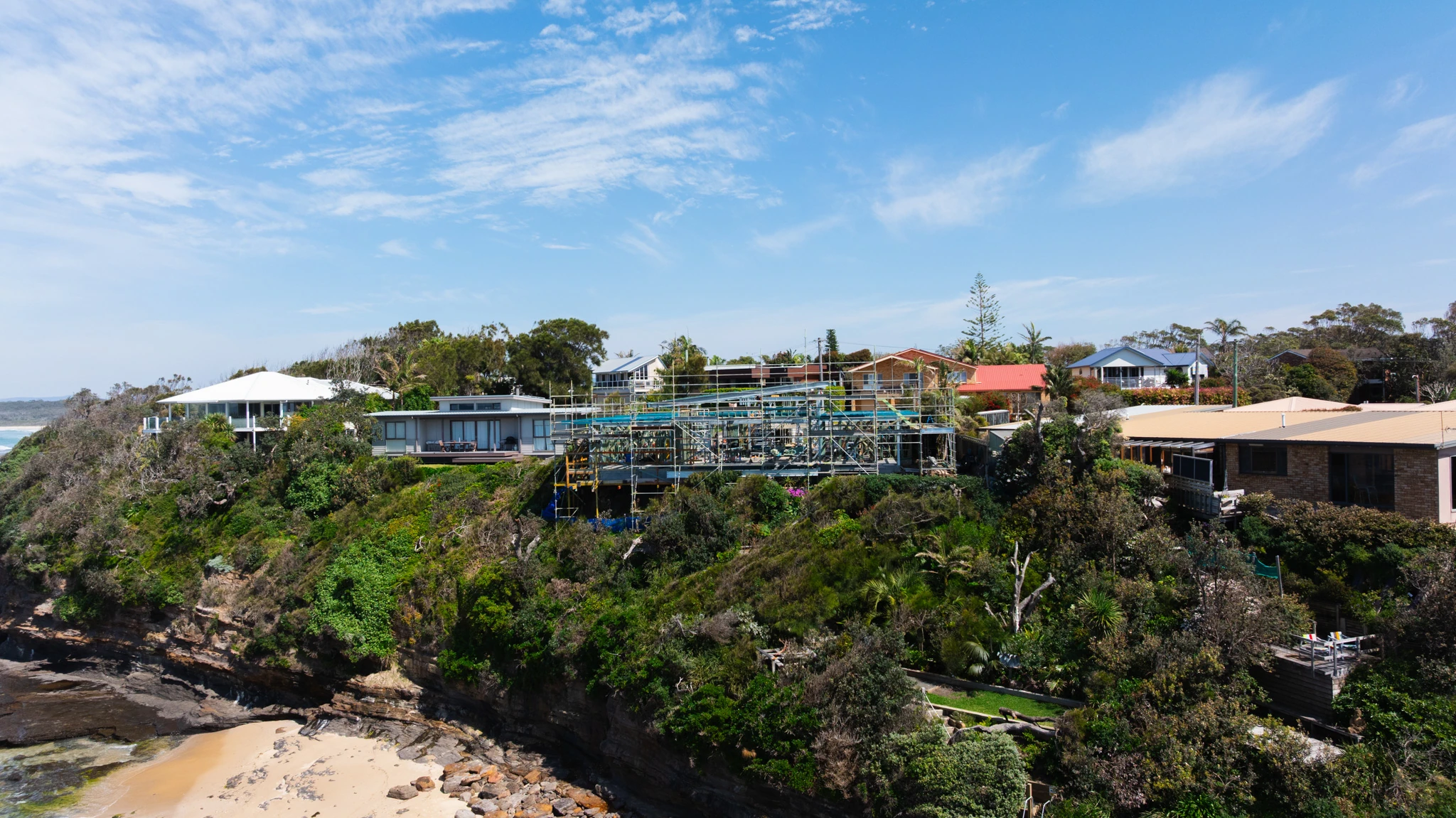
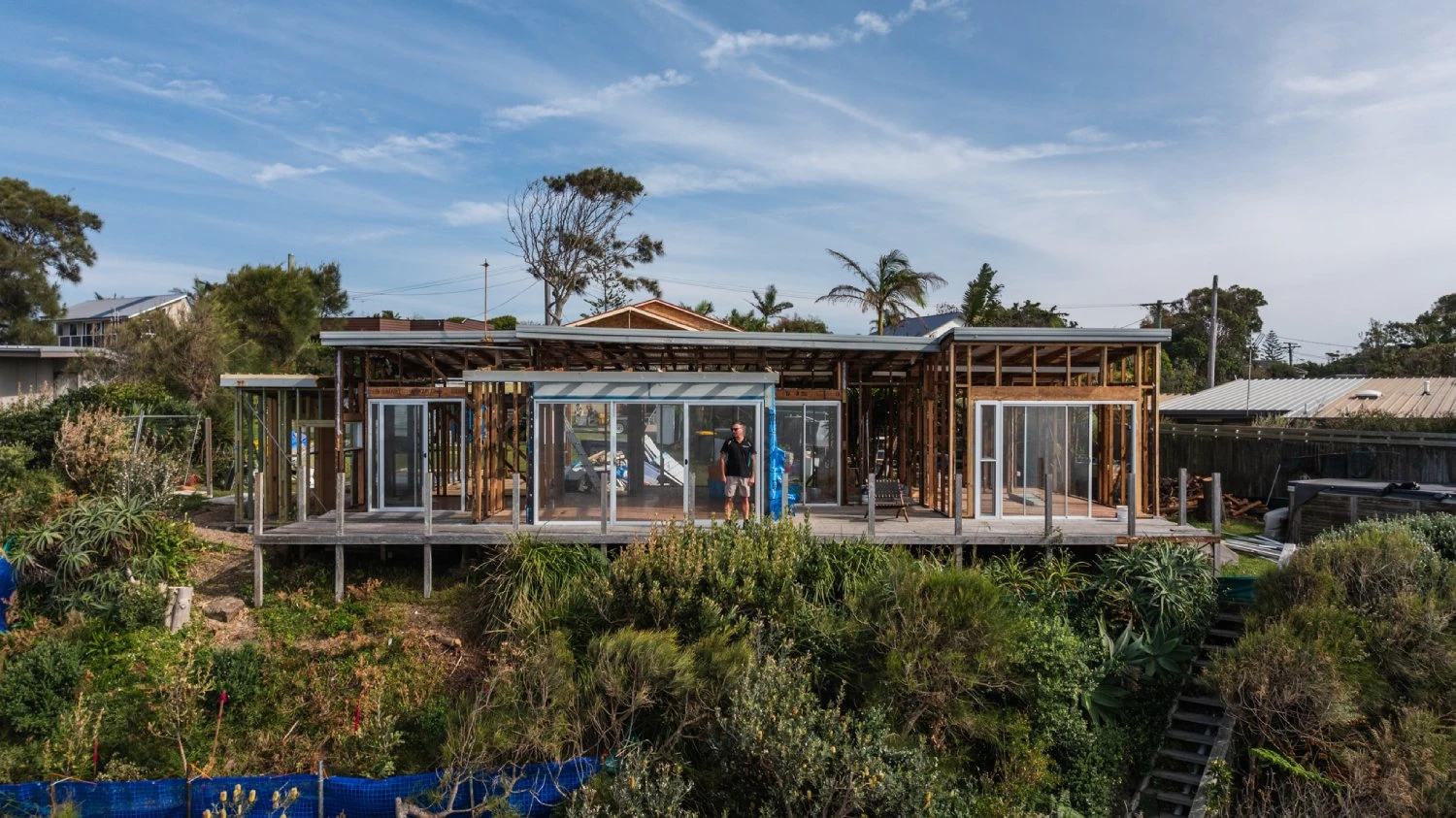
On the NSW South Coast, that coordination matters. Coastal exposure, site access, planning requirements, weather and material logistics can all shape a project. The right team helps you spot those issues early instead of discovering them when construction is already underway.
If you are comparing Commercial Builders for a project, look beyond the glossy portfolio. Ask how the builder approaches feasibility, budgeting, design coordination, procurement, scheduling and communication. The best choice should make the pathway clearer, not turn it into a maze.
What Do Commercial Builders Actually Do?
A commercial builder manages the practical side of turning project plans and requirements into a completed building. They coordinate trades, suppliers, consultants and site activities while keeping cost, programme, quality and safety in view.
I often think of the builder as the person conducting an orchestra. The architect creates the score, engineers focus on technical details and trades handle specialist work, but someone still needs to make sure everyone performs in the right order.
For a business owner or developer, that coordination saves time. You can work through one defined process instead of chasing several people for updates.
1. Better Planning Starts Before Construction
Successful construction rarely begins with a concrete pour. It begins with questions: What does the site allow? What could the project cost? Which approvals apply? Are the drawings complete? Can materials reach the site easily?
Experienced Commercial Builders ask these questions early. They can review the scope, highlight gaps and help the project team make decisions before those decisions become expensive changes.
For current NSW planning and building information, the NSW Planning Portal explains development applications, complying development, construction certificates and other approval pathways.
Early planning also creates a realistic programme that considers procurement, site conditions, approvals and trade sequencing.
2. Stronger Control Over Construction Costs
Budget blowouts rarely arrive with a flashing neon sign. They often start with incomplete information, changing selections, difficult ground conditions or unexpected procurement costs.
Good Commercial Builders can identify these risks earlier. They can break the budget into useful categories, review allowances and explain where your money goes.
That gives you room to make sensible value decisions, such as changing a finish or construction detail without compromising the building’s purpose.
The goal should not always be the cheapest option. I prefer to look at the full picture: upfront cost, durability, performance, maintenance and long-term value.
3. Smoother Trade and Supplier Coordination
A building project can involve electricians, plumbers, concreters, carpenters, painters, roofers and specialist contractors. Each needs access at the right time.
The builder coordinates that sequence, schedules trades, organises deliveries, monitors progress and deals with clashes before they become bigger problems.
A delivery arriving too early or a trade arriving too soon can create a domino effect. Good coordination keeps those dominoes standing.
4. Help With Approvals and Compliance
Construction in NSW comes with planning, certification and compliance requirements. The exact pathway depends on the project, site and proposed work.
A builder can help identify which professionals need to be involved and which documents require attention before construction starts. I still recommend confirming project-specific requirements with the relevant council, certifier and qualified professionals.
5. Clearer Communication Throughout the Build
Construction becomes easier when everyone knows what is happening next.
Builders can establish a communication rhythm around site meetings, progress updates, programme changes, selections and variations. That structure gives you visibility without requiring you to become a full-time construction manager.
Clear records also give everyone the same reference point and reduce confusion.
6. Better Responses to Unexpected Site Issues
Even a well-planned project can throw a curveball. Ground conditions may differ from expectations, weather may interrupt work, or an unknown service may appear exactly where nobody wanted it.
South Coast projects can also face coastal exposure, access constraints and location-specific logistics. An experienced construction team can respond quickly rather than allowing one surprise to derail the entire programme.
The aim is to identify risk early and have a practical response ready.
7. Consistent Quality Control
A successful building should not only look impressive on handover day. It should perform properly after you start using it.
Builders can support quality by coordinating workmanship, checking construction against drawings and specifications, arranging inspections and addressing defects during the build.
I prefer quality checks throughout construction. Fixing an issue while the relevant trade is still on site usually takes less time.
8. Keeping the Programme Moving
Time matters in commercial construction. Delays can affect tenants, business operations, finance, opening dates and other commitments.
Project managers coordinate labour, materials, subcontractors and site activities while tracking progress and adjusting sequencing when circumstances change.
A good programme can change; the important thing is knowing what changed, why and what happens next.
What Should You Look For When Choosing Commercial Builders?
I would look beyond a polished website and impressive project photos. Ask practical questions:
- Do they understand projects similar to yours?
- How do they approach pre-construction planning?
- How do they manage budgets and variations?
- Who will manage the project day to day?
- How do they coordinate subcontractors?
- How often will you receive progress updates?
- How do they handle unexpected site conditions?
- Are inclusions, exclusions and contract terms clear?
The best commercial builders do not need to promise that every project will be perfect. They should explain how they manage uncertainty when real construction gets messy.
Builder-Led vs Self-Managed Construction
Area
Builder-led approach
Self-managed approach
Trade coordination
One team manages sequencing
You coordinate multiple trades
Procurement
Builder plans orders and deliveries
You manage timing yourself
Site management
Structured supervision
You handle daily issues
Budget tracking
Project costs are monitored
You track costs yourself
Problem solving
Builder coordinates responses
You become the main contact
Self-management can look attractive for cost reasons, but your time has value. Chasing deliveries and resolving trade clashes can quickly eat into that saving.
Why Local Knowledge Matters on the NSW South Coast
The South Coast has a distinct building environment. A project around Nowra can present different practical considerations from one around Jervis Bay, Ulladulla, Milton or elsewhere across the Shoalhaven.
Local knowledge can help with regional trade availability, access challenges, coastal exposure and construction logistics. It does not replace engineering, planning or certification, but it can make day-to-day coordination more practical.
That local perspective becomes especially useful with difficult access, exposed conditions or tight programmes.
How a Builder Can Protect Long-Term Value
The cheapest decision today does not always create the best building tomorrow.
A durable material may cost more upfront but reduce maintenance. Better planning may take more time before construction but reduce changes during the build. A carefully coordinated services layout may make future maintenance easier.
Commercial Builders can help you weigh these trade-offs as part of the whole project rather than focusing on one line in a quote.
You are not simply paying for walls, floors and ceilings. You are investing in coordination, decisions and practical knowledge.
A Practical Project Pathway
A well-managed project often follows this progression:
- Define the brief - Set the building’s purpose and priorities.
- Review feasibility - Check the site, scope, budget and constraints.
- Coordinate design and approvals - Bring the required information together.
- Plan construction - Set the programme, procurement and trade sequence.
- Build and monitor - Manage site activities, quality, safety and progress.
- Complete and hand over - Resolve outstanding items and prepare the building for use.
Commercial Builders can add value at almost every stage, especially when they join before construction begins.
Conclusion
A successful building project does not happen by accident. It needs planning, communication, cost control, quality management and people who know how to keep moving parts connected.
The right Commercial Builders can help create that structure from early planning through to completion. On the NSW South Coast, local conditions make practical coordination even more important. I would choose Commercial Builders who understand that reality.
If you are planning a building project and want to discuss your next step, Get in touch with our team and start the conversation early. The sooner you understand your scope, site, budget and options, the easier it becomes to build with confidence.
Frequently Asked Questions
What Do Commercial Builders Do?
Commercial builders coordinate trades, suppliers, scheduling, site management, quality control and project communication.
Why Should I Hire Commercial Builders?
They save time by coordinating construction activities, identifying risks, tracking progress and managing issues.
How Early Should I Involve a Commercial Builder?
I recommend involving a builder during feasibility or early planning so they can identify buildability, cost and programme risks.
How Do Builders Help Control Project Costs?
They review scope, coordinate procurement, identify risks, track variations and help you make informed material and construction decisions.
Do Commercial Builders Manage Subcontractors?
Yes. They coordinate specialist trades, schedule work, manage site access and keep the sequence organised.
Why Is Local Building Knowledge Important on the NSW South Coast?
It can help with access, trade availability, coastal exposure and construction logistics, while qualified professionals handle project-specific compliance.
What Should I Ask Before Choosing Commercial Builders?
Ask about relevant experience, budgeting, variations, communication, quality control, programme management and who will manage the project day to day.