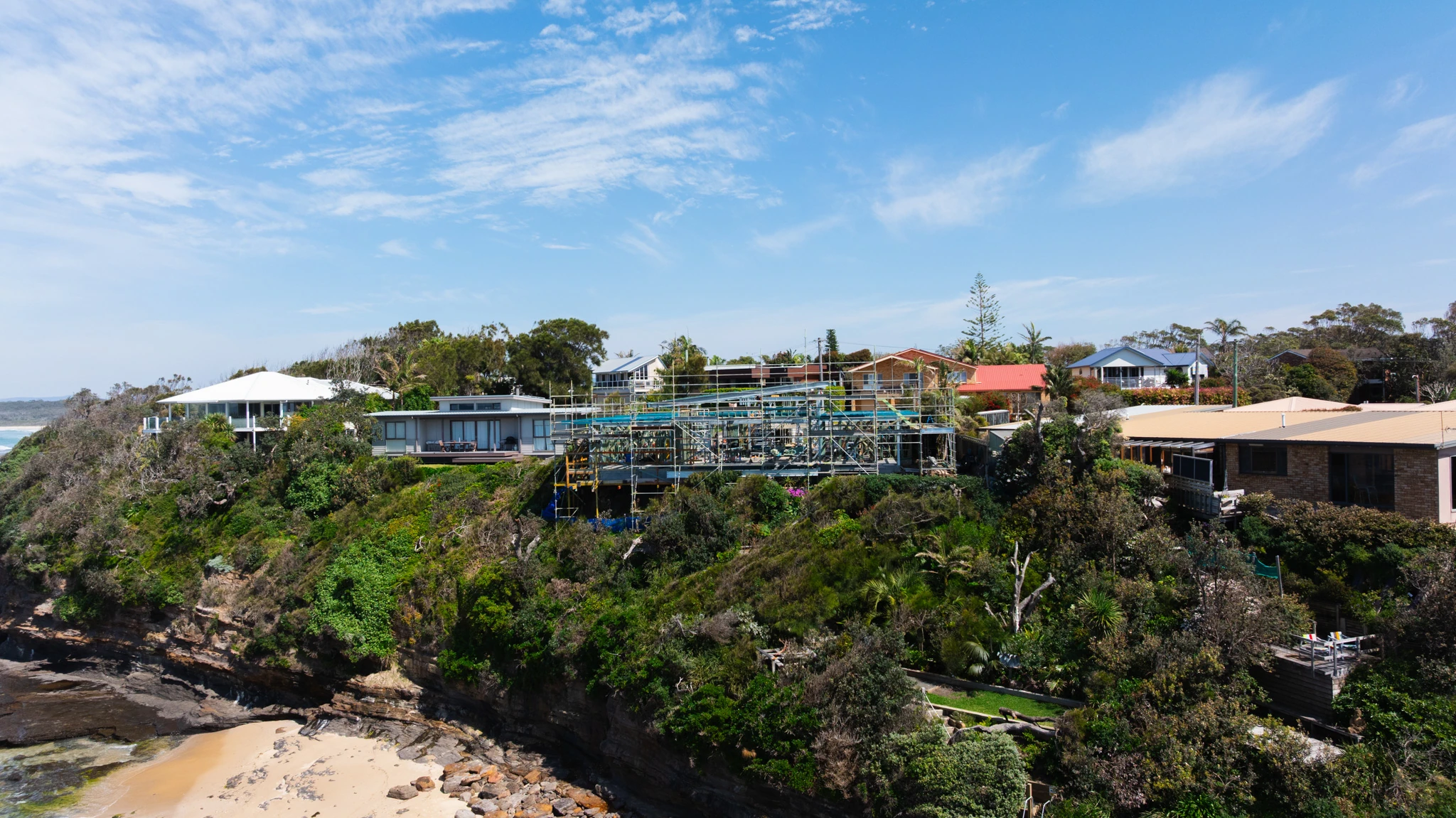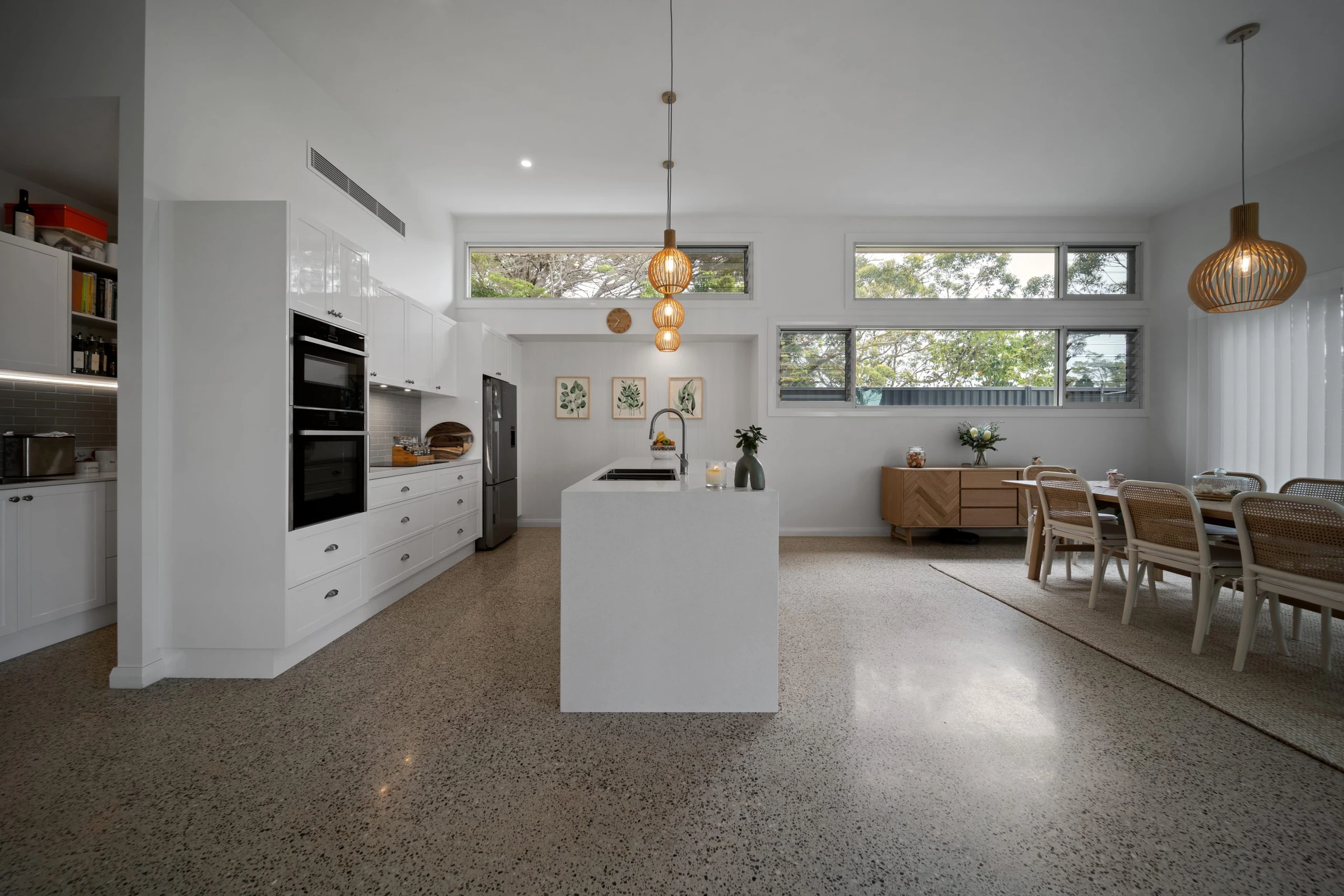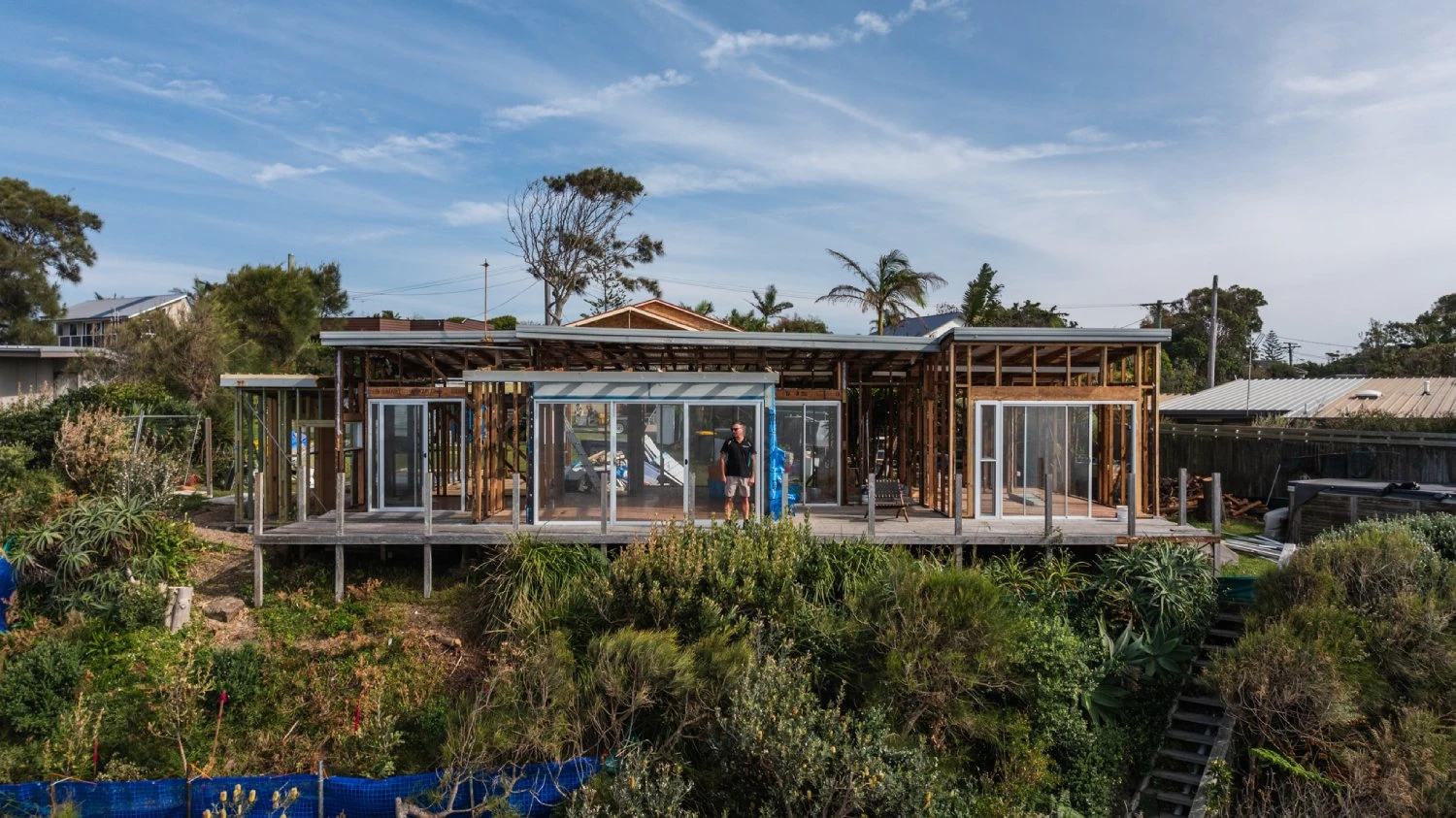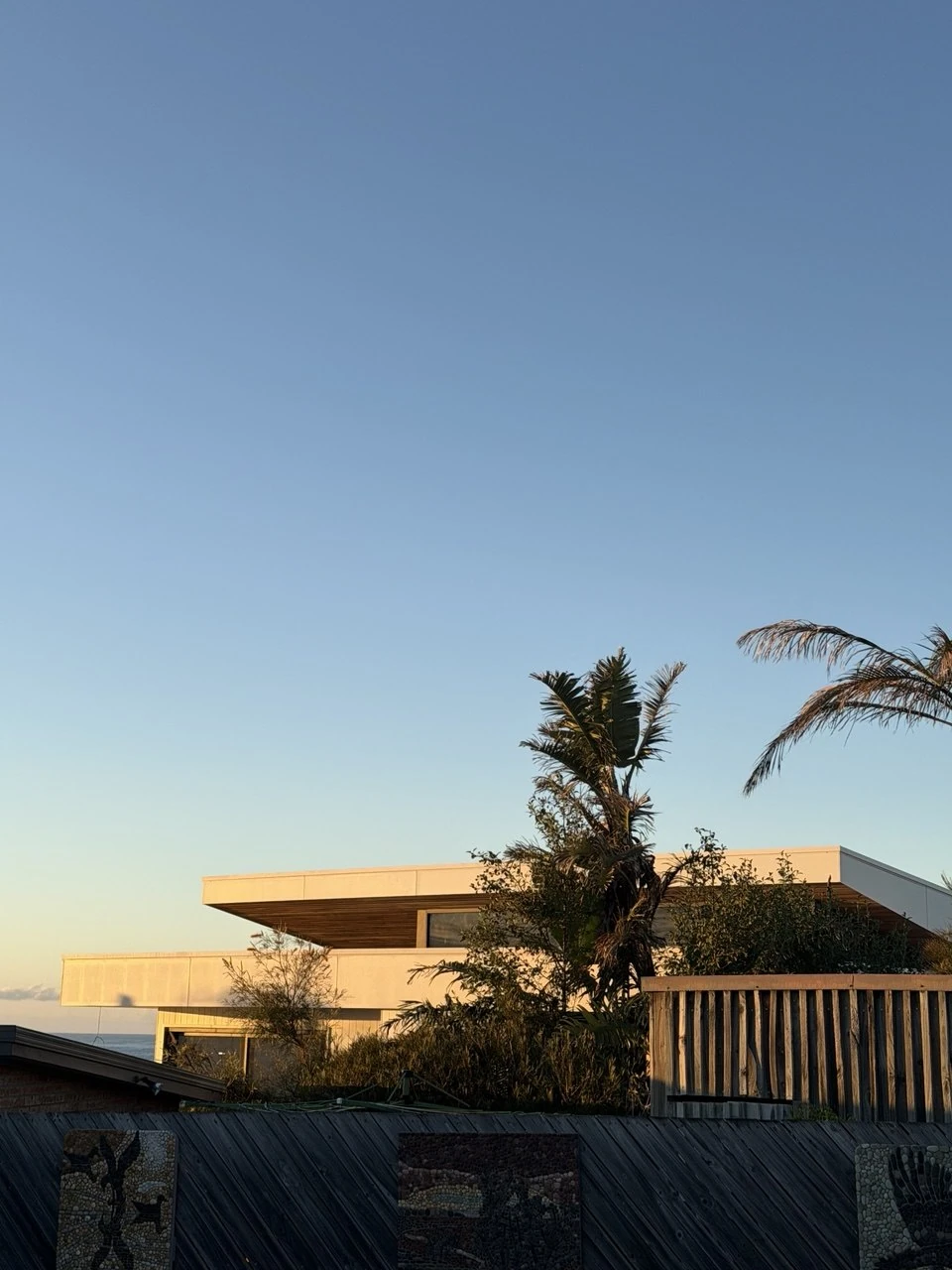
If you already love where you live, the decision to renovate or knockdown rebuild can feel harder than it looks from the outside.
You might love the street, the neighbours, the trees, the walk to the water, the school run, the morning light, or the fact that your family already feels settled there.
But the house itself might be telling a different story.
Maybe the layout no longer works. Maybe the living areas face the wrong way. Maybe the bathrooms, roof, windows, cladding, drainage, insulation and services are all starting to need money at the same time. Maybe every design conversation starts with, “If only this wall was somewhere else.”
That is where a lot of Shoalhaven homeowners get stuck.
They do not necessarily want to move. They just want the home to properly suit the life they are building.
So the real question is not always, “Should we renovate or rebuild?”
It is: “How do we make the most of the place we already love?”
Why This Decision Comes Up So Often on the South Coast
Across the Shoalhaven, there are plenty of homes sitting on excellent blocks that no longer suit the way people want to live.
That is especially common in coastal suburbs like Sussex Inlet, Berrara, Manyana, Lake Conjola, Callala Bay, Vincentia, Huskisson, Culburra Beach and Mollymook.
The site might be valuable. The location might be hard to replace. But the original house may have been built for a different time, a different budget, and a very different standard of comfort.
Older coastal homes often have:
- small, disconnected rooms
- poor orientation to light and views
- limited storage
- tired wet areas and kitchens
- ageing windows and doors
- low thermal performance
- salt-air wear and tear
- moisture, drainage or subfloor issues
- additions from different decades that do not work together
That does not automatically mean the house should be knocked down. Some older homes have good bones and are absolutely worth improving.
But it does mean the decision needs to be tested properly before too much money goes into design.
When a Renovation Makes Sense
A renovation can be the right path when the existing home is working with you, not against you.
That usually means the structure is sound, the roof line is workable, the floor levels make sense, and the main layout can be improved without forcing the whole house to become a compromise.
A major renovation or extension can be a good fit when:
- the home has character worth keeping
- the existing footprint suits the block
- only part of the home needs serious work
- the structure is generally sound
- the floor plan can be improved without excessive engineering
- the budget is better spent upgrading and extending than starting again
- planning constraints make demolition or a new build less attractive
In that situation, the goal is not to patch the house up. It is to make deliberate improvements that solve the biggest problems first.
That might mean opening up the living area, improving the connection to outdoor spaces, upgrading windows and insulation, adding a bedroom or second living area, replacing tired wet areas, or rebuilding problem sections that were never detailed well in the first place.
Done properly, a renovation can give you the lifestyle shift you want without losing the history and familiarity of the home.
For that path, our major renovations and extensions page is usually the best place to start.
When Knockdown Rebuild Becomes the Smarter Move
A knockdown rebuild starts making more sense when you realise the project is no longer about improving a good house.
It is about trying to rescue a poor one.
That is the point where homeowners can spend a lot of money and still end up with compromises baked into the finished result.
Knockdown rebuild may be the better path when:
- the existing layout is fundamentally wrong
- the house sits poorly on the block
- the structure is uncertain or heavily compromised
- there are major moisture, termite, asbestos or drainage concerns
- several expensive upgrades are needed at once
- ceiling heights, floor levels or roof lines limit what is possible
- the renovation cost starts moving too close to the cost of a new build
- the brief is really for a new standard of home, not a refreshed old one
The benefit of rebuilding is control.
You can design the home around the block, the sun, the breeze, privacy, views, storage, family life, energy performance and long-term durability from the beginning.
That matters on the South Coast. A coastal home is not just a shape on a plan. It has to deal with salt air, moisture, wind, sun, rain, corrosion and seasonal use over many years.
If the old home is already fighting the site, rebuilding can be the cleaner and more honest decision.
For that path, our knockdown rebuild Shoalhaven page explains the process in more detail.
The Emotional Part Is Real
This is the bit that gets missed in a lot of builder conversations.
People do not only make this decision from a spreadsheet.
You might have memories in the home. Your kids may have grown up there. You may have bought the block because it felt right. You may have spent years imagining what it could become.
That emotional attachment matters.
But it should not be used to justify a construction path that does not stack up.
The right approach is to separate two things:
- Do we love the place?
- Is the existing house the best way to enjoy that place long term?
Sometimes the answer is yes. The bones are good, the site works, and a thoughtful renovation is the right move.
Sometimes the answer is no. You still love where you live, but the better long-term home comes from starting again on the same block.
That distinction can make the decision much clearer.
The Numbers Need to Be Tested Early
The biggest mistake is choosing the direction before the budget has been properly tested.
It is easy to assume renovating will be cheaper because part of the house is already there. Sometimes that is true. Sometimes it is not.
Renovations can carry hidden costs because the builder has to work around existing structure, unknown conditions, temporary support, demolition surprises, old services, waterproofing issues, access constraints and staging.
New builds can look more expensive upfront, but they often give more certainty because the scope is clearer and the design is not constantly negotiating with old work.
That is why the decision should be tested before drawings go too far.
Early Contractor Involvement means this: We get involved early and price the build while the design can still change, so there are no surprises later.
At Sureline, this is where pre-construction services and Early Contractor Involvement are valuable.
The aim is to look at the site, the existing house, the brief, the likely constraints and the budget early enough to help you choose the right path.
That might include:
- reviewing the existing home and site constraints
- understanding what the renovation would actually involve
- identifying hidden cost risks
- comparing renovation scope against rebuild scope
- checking whether the budget matches the design intent
- flagging buildability issues before documentation goes too far
- helping you avoid designing something that does not suit the budget
The goal is not to push every client toward a rebuild. It is to help you avoid committing to the wrong pathway.
Shoalhaven Site Conditions Can Change the Answer
Local conditions matter.
A home in the Shoalhaven is not the same as a house on a flat new estate inland. Coastal and regional sites can bring extra considerations that affect both renovations and rebuilds.
These can include:
- slope and access
- stormwater and drainage
- coastal exposure
- bushfire requirements
- flood planning considerations
- corrosion zones
- existing sewer and services
- old footings or slab levels
- proximity to neighbours
- limited room for materials, bins and machinery
None of these automatically decide the answer. But they can change the cost, complexity and risk profile quickly.
That is why a local builder’s input early in the process can save a lot of wasted design time.
A Simple Way to Think About It
If you are weighing up renovation versus knockdown rebuild, start with these questions:
- Does the current home have enough good structure and layout to justify keeping it?
- Are we trying to fix one or two main issues, or almost everything?
- Will the finished renovation still feel compromised?
- Is the budget being spent on visible improvements, or swallowed by hidden repair and workaround costs?
- Does the house make the most of the block?
- Would a new home solve the same problems more cleanly?
- Are we choosing renovation because it is genuinely right, or because rebuilding feels like a bigger step?
Those questions usually reveal where the project is heading.
Renovate or Rebuild: Which Is Better?
There is no universal answer.
A renovation is better when the existing house has value worth carrying forward and the project can be delivered without too many compromises.
A knockdown rebuild is better when the site is right but the house is holding the block back.
The best decision is the one that gives you the strongest long-term result for the money you are about to spend.
For some Shoalhaven families, that means a careful renovation.
For others, it means staying in the same location but building a home that finally suits the site properly.
Final Thought
If you love where you live, you do not necessarily need to move.
But you do need to be honest about whether the existing house is still the right platform for the next stage of your life.
Before you spend heavily on design, engineering or approvals, it is worth testing the renovation-versus-rebuild decision properly.
That early clarity can save time, money and frustration.
If you are weighing up a major renovation or knockdown rebuild in the Shoalhaven, Start your project with Sureline and we can help you work through the right path before things get too far down the track.
FAQs
Is it cheaper to renovate or knockdown rebuild in the Shoalhaven?
Renovating can be cheaper when the existing home has good structure and a workable layout. But if the renovation needs major structural changes, services upgrades, moisture repairs, new windows, new wet areas and extensive reworking, the gap can close quickly. The decision should be tested against the actual scope, not assumed.
When should I consider a knockdown rebuild instead of renovating?
Consider knockdown rebuild when the existing house sits poorly on the block, has major structural or moisture issues, needs too many expensive upgrades at once, or will still feel compromised after the renovation. If you love the location but not the house, rebuilding may give a better long-term result.
Can Sureline help before we decide which way to go?
Yes. Sureline’s pre-construction process can help review the site, existing home, brief, budget and likely buildability issues before you commit too heavily to one direction. That early input is designed to reduce surprises and help you choose the right pathway.