Passive House isn’t a brand. It’s not a style. It’s a building standard . one of the most rigorous in the world . focused on creating homes that stay comfortable all year with almost no energy input.
It originated in Germany in the early 1990s and has since been adopted in over 90 countries. In Australia, it’s still relatively rare . particularly among builders working on the coast. But on the South Coast of NSW, where summer humidity, winter southerlies, and salt air all create real challenges for a building envelope, the principles behind Passive House matter more than most places.
What Makes a Passive House Different
A standard home manages temperature through its heating and cooling systems. If the building leaks air, or if the walls and windows don’t perform, you run your system harder to compensate. The house is uncomfortable, the energy bills are high, and you’re always trying to catch up.
A Passive House is designed so the building itself does the work. The key principles are:
- Airtightness . a continuous air barrier that stops uncontrolled air leakage. Tested on completion with a blower door test.
- High-performance insulation . well beyond minimum code requirements, applied consistently without thermal bridges (cold spots).
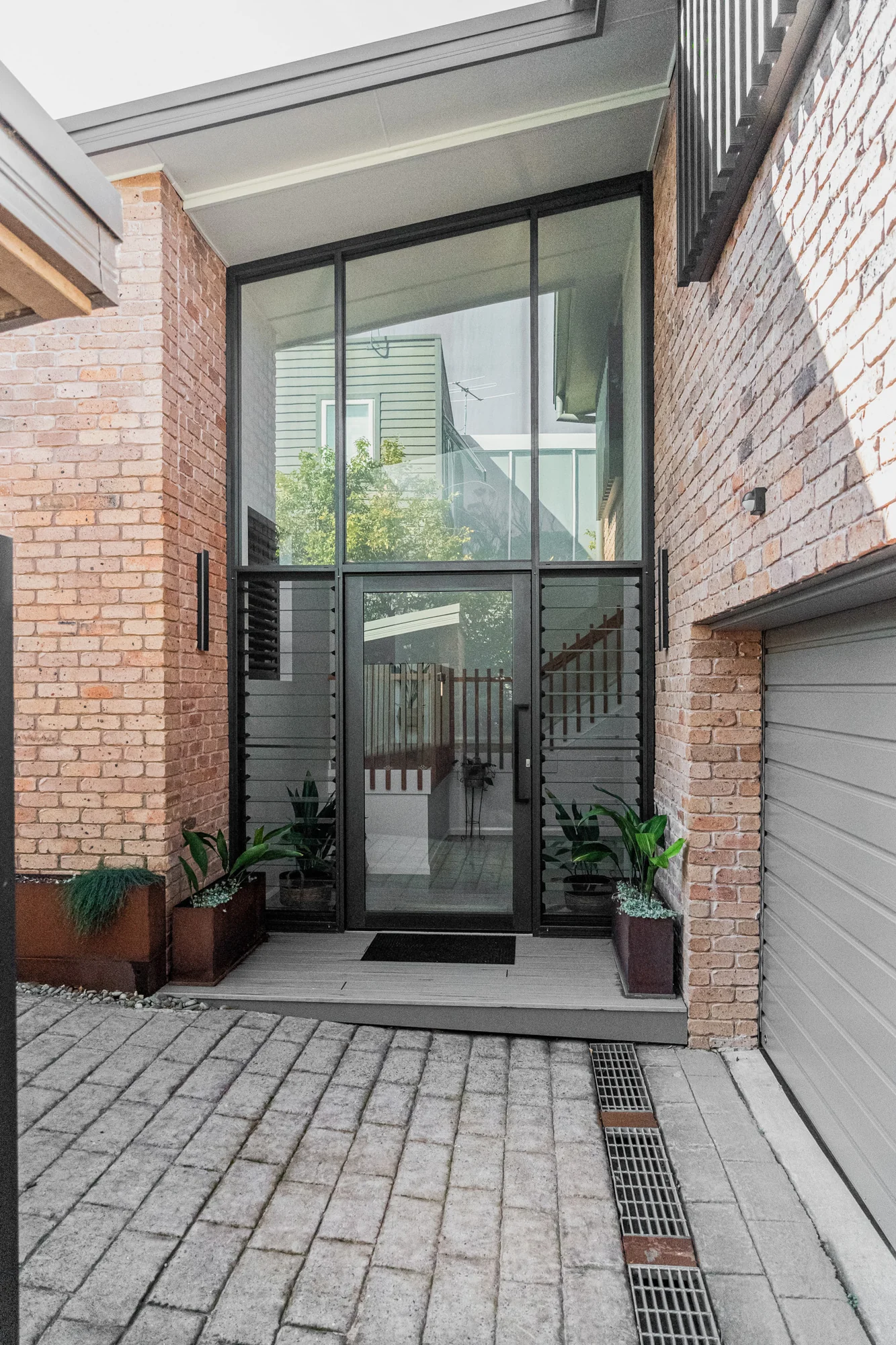
- High-performance windows and doors . thermally broken frames, double or triple glazing, carefully positioned for solar gain in winter and shading in summer.
- Mechanical ventilation with heat recovery (MVHR) . fresh, filtered air continuously supplied to every room, with heat recovered from the exhaust air so you’re not losing energy.
- Thermal bridge-free construction . no gaps in the insulation layer where heat can escape or condensation can form.
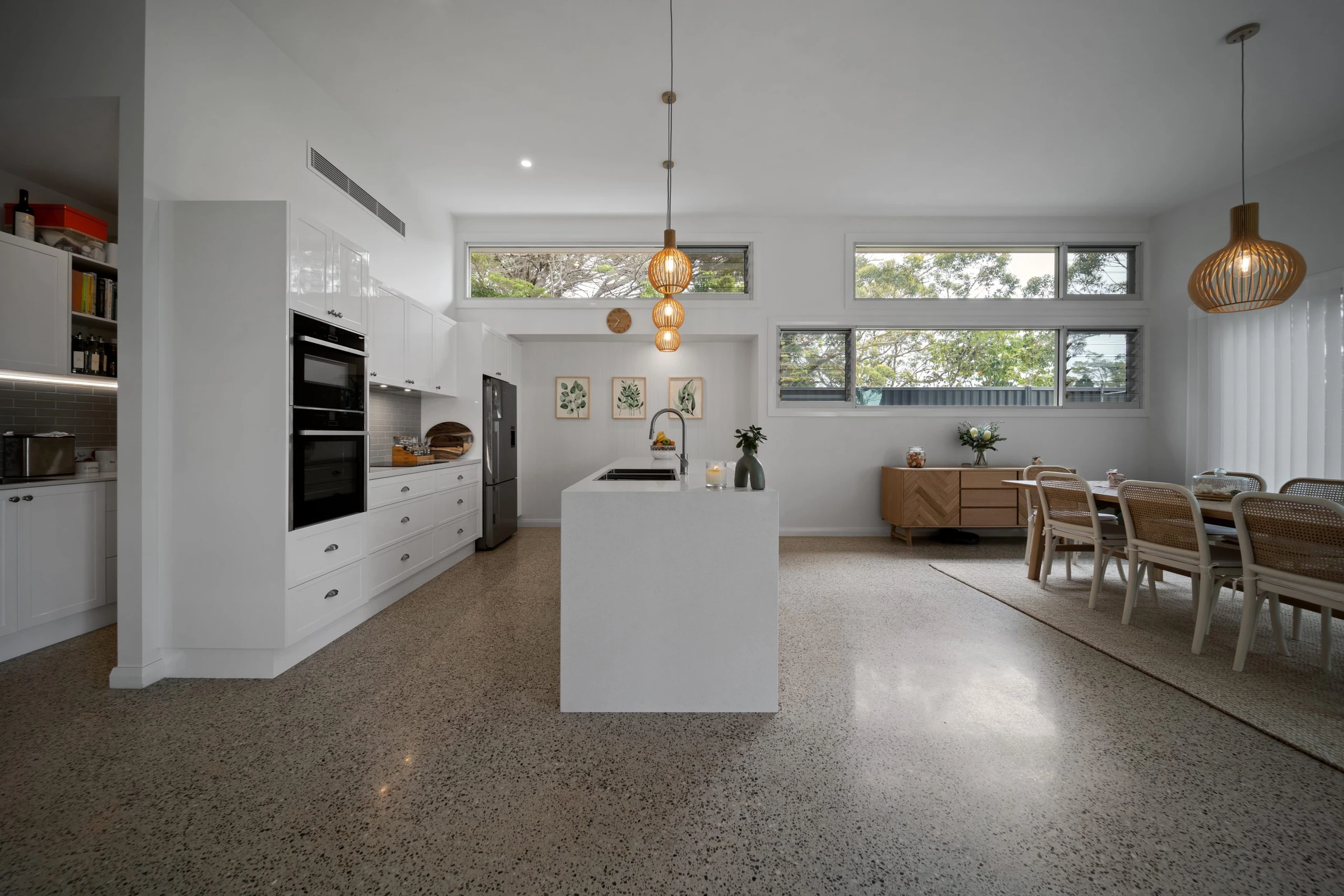
The result is a home that holds temperature without working hard, has better air quality than a standard build, and performs consistently in every season.
Why It Makes Sense on the South Coast
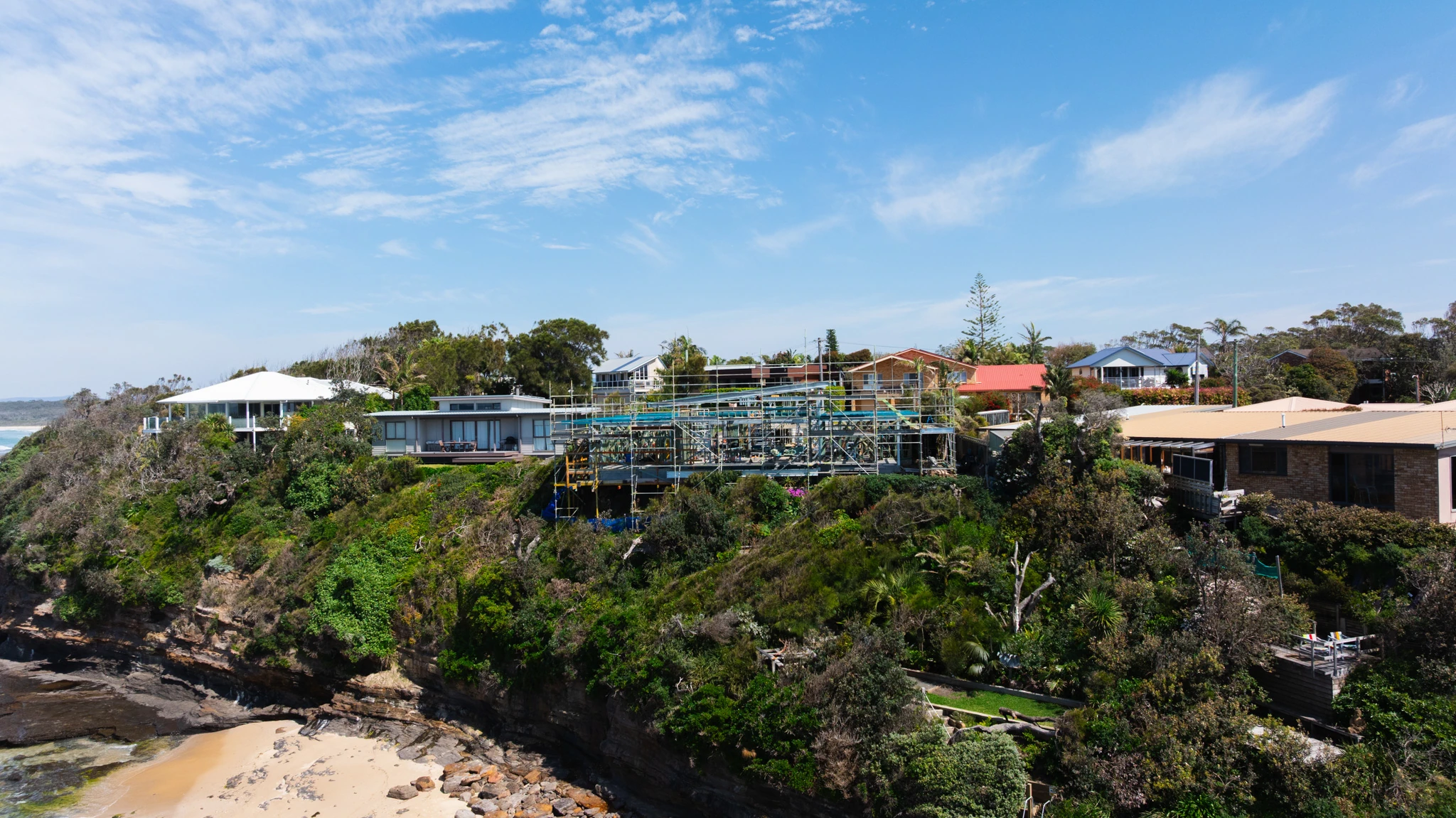
The South Coast sits in a mixed climate zone . hot summers, cool winters, high humidity in summer, and persistent salt-laden air in many locations. A lot of standard builds in this region aren’t designed to handle that well.
Moisture gets into wall cavities. Condensation forms on thermal bridges. Air leaks in summer bring in humidity. Air leaks in winter let heat escape. The result over time is poor comfort, high running costs, and in some cases, long-term damage to the building fabric.
Passive House construction addresses all of this at the design and build stage . not after the problems appear.
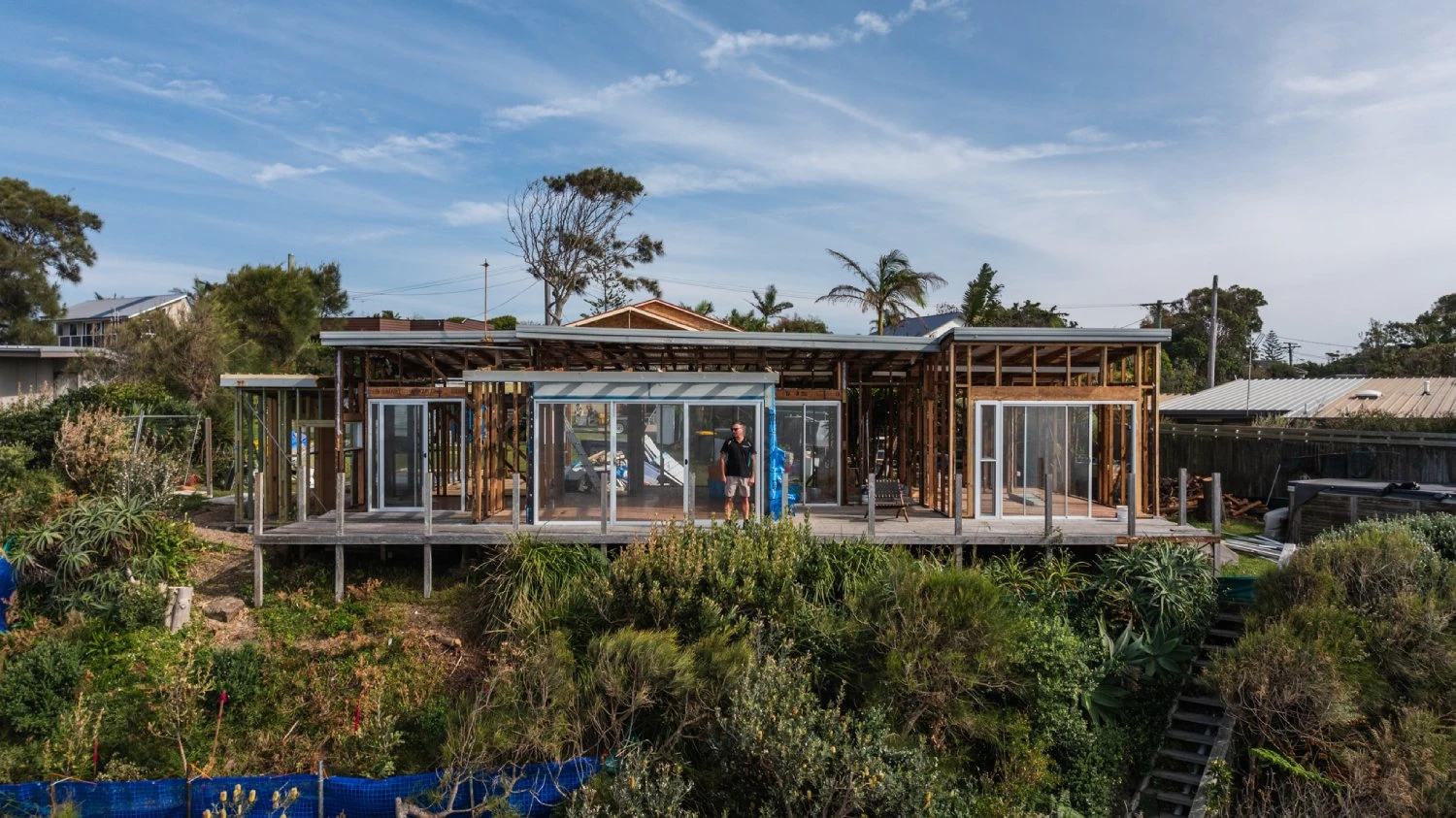
For homeowners building a forever home on the coast . whether in Huskisson, Mollymook, or anywhere along the Shoalhaven . the performance difference is significant. You’re investing in a building that will stay comfortable, stay dry, and hold its value over decades . not one that needs to be retrofitted or battles its environment year-round.
Do You Need Full Passive House Certification?
Not necessarily. Full certification involves modelling, third-party verification, and a blower door test . it’s the right choice for clients who want that assurance and recognition.
But many of the principles can be applied to a standard build without full certification . better airtightness detailing, higher-performing windows, eliminating thermal bridges, improving insulation continuity. These improvements don’t require a certified build to deliver real results.
At Sureline, we’re led by Jamie Allan, a Certified Passive House Tradesperson. Whether a project pursues full certification or simply applies high-performance principles, we know how to build to that standard. You can read more about our full approach to high-performance building on the Passive House . What Homeowners Need to Know post.
What It Costs
Passive House construction typically adds cost upfront . better windows and doors, more rigorous airtightness work, ventilation systems. The range depends heavily on the design, the site, and what’s already specified.
What it saves over the life of the building in energy costs, maintenance, and comfort is harder to quantify but consistently real for clients who’ve built to this standard.
The honest answer is: if you’re building a quality custom home and planning to stay in it long-term, the upfront premium makes sense. If you’re building to sell in five years, the calculus is different.
Early Contractor Involvement means this: We get involved early and price the build while the design can still change, so there are no surprises later.
It’s worth having an honest conversation about it early . before the design is locked in, when there’s still time to make decisions that don’t cost extra to change. Our Early Contractor Involvement process is specifically designed for this . getting us alongside your architect at the stage when decisions are still easy to adjust.
Starting the Conversation
If you’re in the early stages of planning a build on the South Coast and high performance is something you’re interested in, we’re happy to talk through what’s possible for your site and budget.
There’s no obligation . just a straight conversation about what it involves and whether it makes sense for your project. Get in touch with the Sureline team →