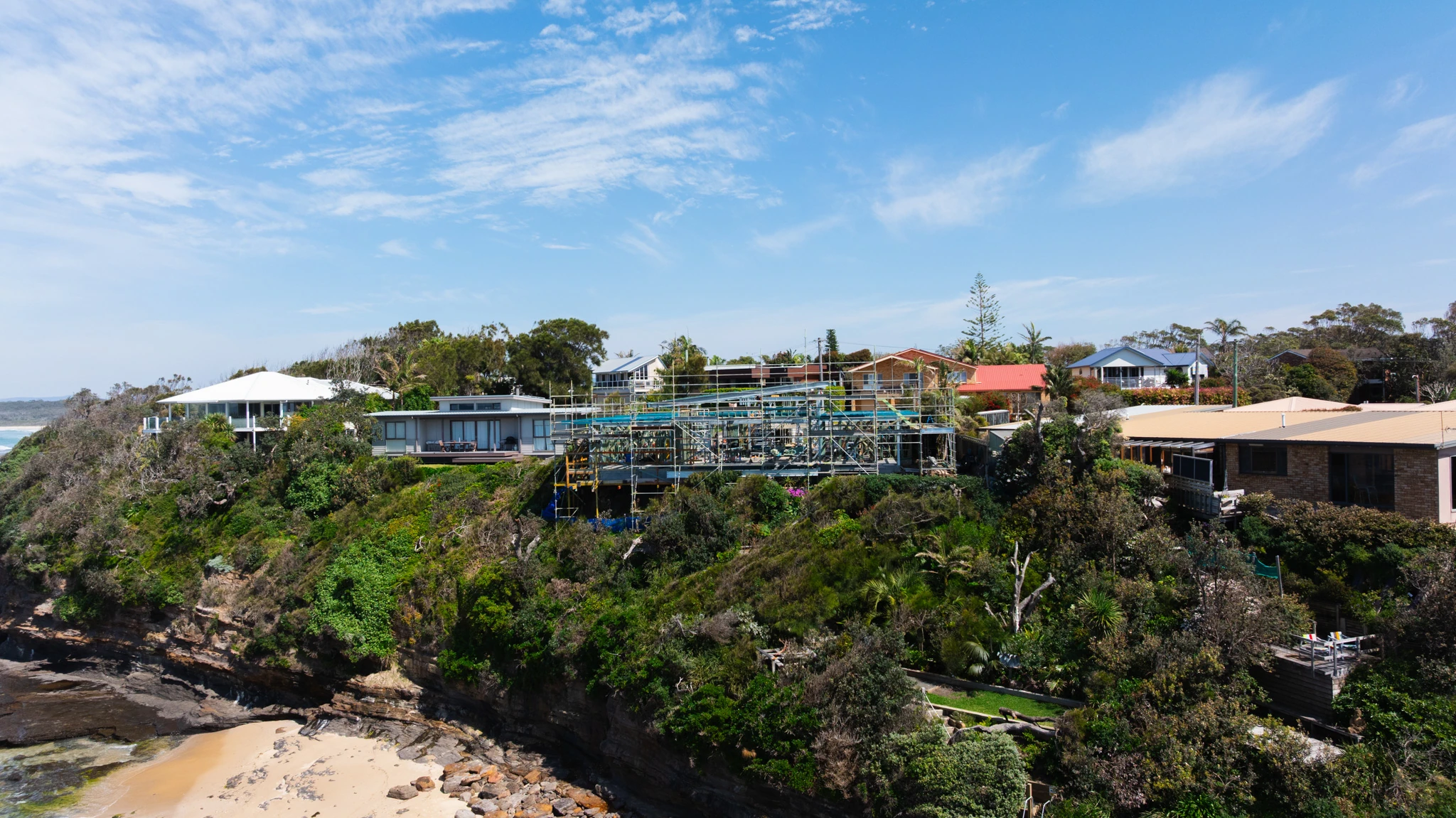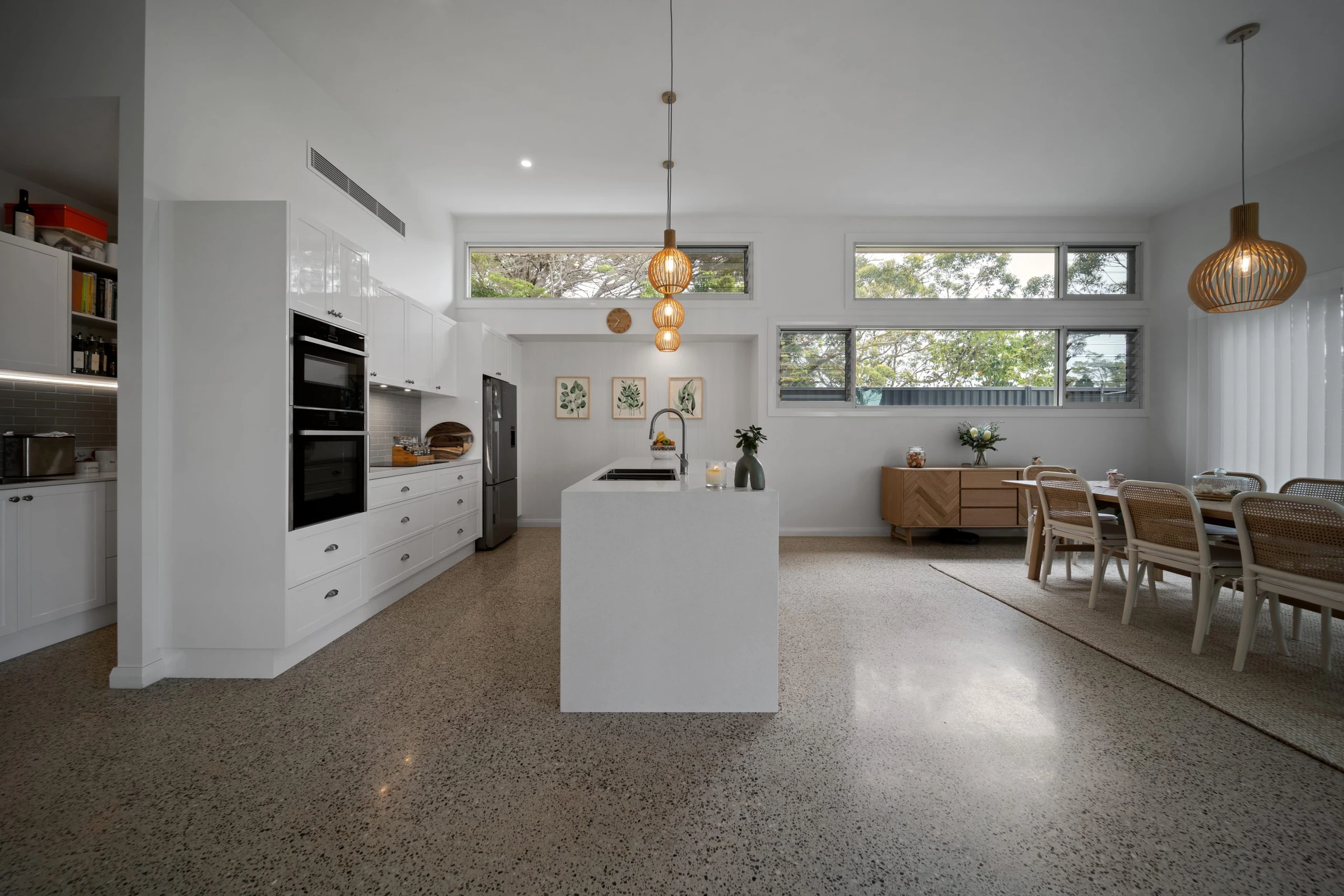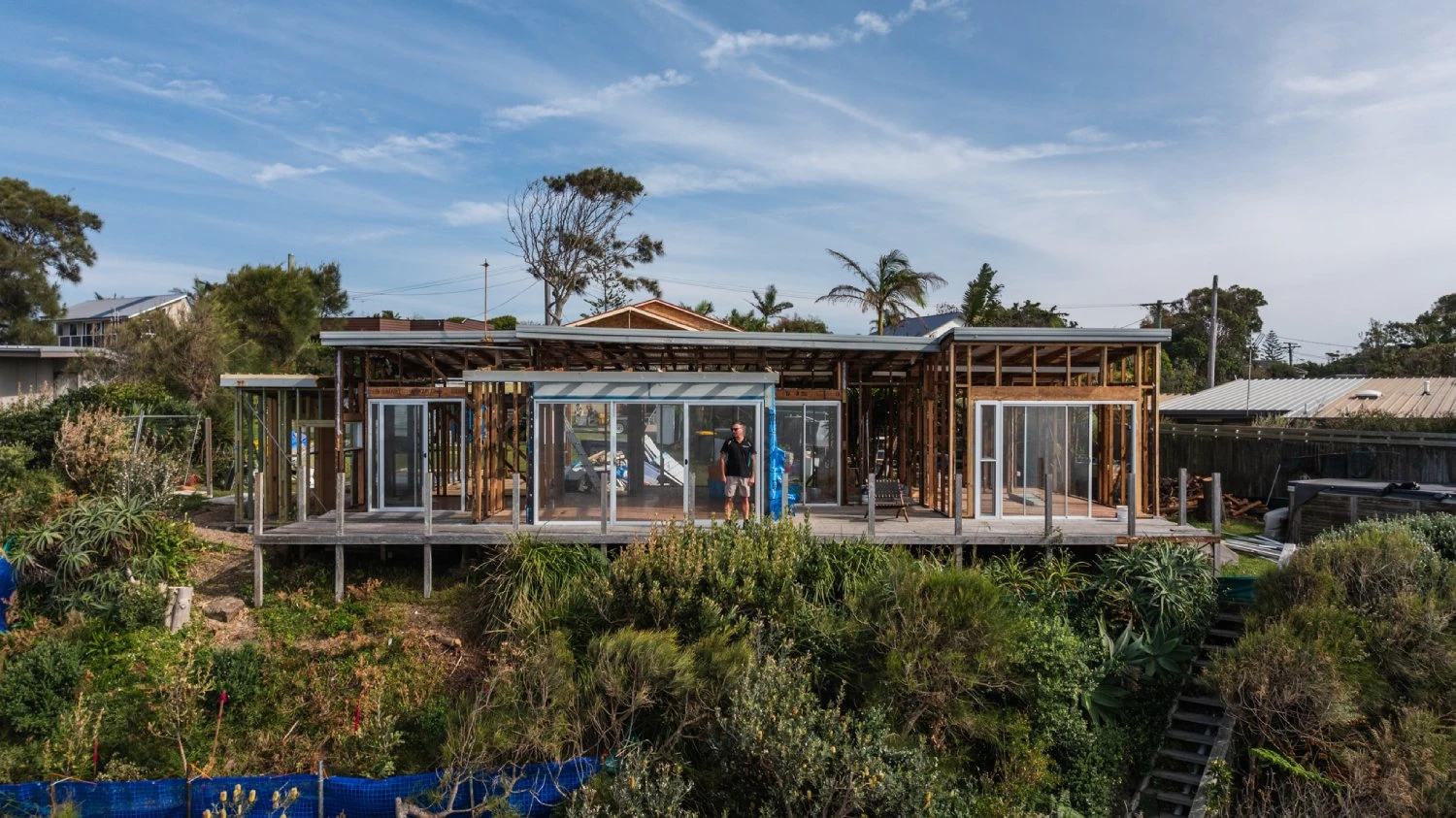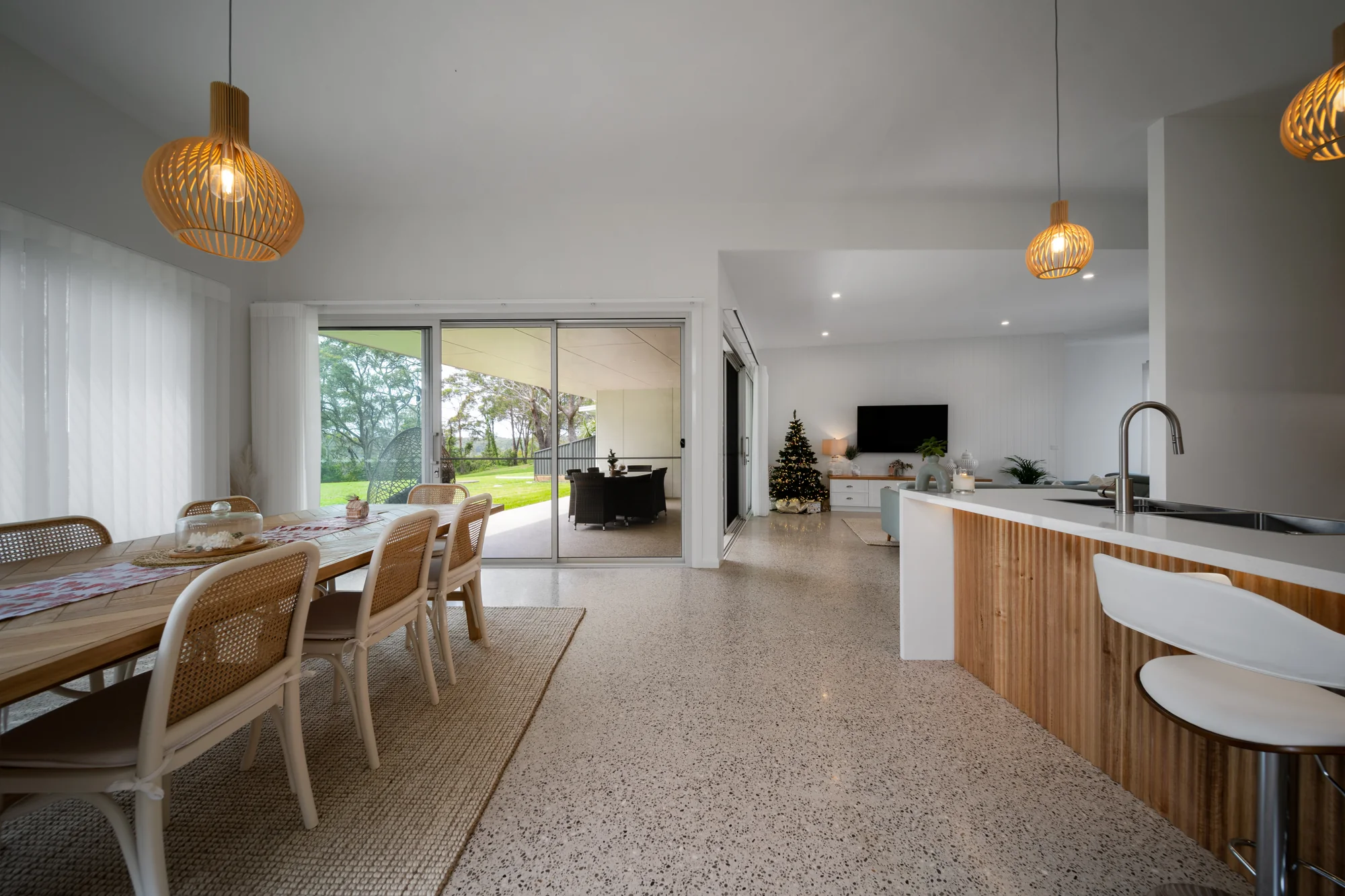
A lot of builders talk about handover like it’s the finish line. The keys get handed over, the photos get taken, the family moves in - and from the outside it can look like the job is done. But that’s not really how good homes work, and it’s especially not how coastal homes work.
Handover is the end of construction, but it’s also the start of ownership. And if a home is going to keep looking good, performing well and ageing properly, the first few years after handover matter more than most people realise. That’s particularly true in places like Sussex Inlet, Callala Bay, Berrara, Jervis Bay, and much of the wider Shoalhaven service area, where salt air, moisture, wind exposure, and intense sen can all accelerate wear on a home that isn’t looked after properly.
Most builders won’t tell you this. They should.
Why post-handover maintenance matters more on the South Coast
A well-built coastal home should absolutely be durable. That is the goal, and it is what we build toward on every project. But durable doesn’t mean maintenance-free, and the two are often confused.
On the South Coast, the environment works on homes in ways that are more aggressive than most owners expect. Salt settles on surfaces. Moisture lingers in shaded areas and penetrates wherever is find an opening. Timber moves with the seasons. Sealants age. Gutters fill faster in leafy and coastal environments than they do in suburban Sydney. Wind-driven rain finds weak points faster than it will in a more sheltered location. None of that means something has gone wrong - it means the house is operating in a real coastal environment. The better the home, the more worth there is in protecting it.
This is also why we spend considerable time during construction thinking about the hidden details - moisture management, ventilation behind cladding, the way materials are put together and connected. Getting those things right is the foundation. Post-handover maintenance is how you protect that foundation over time.
The biggest misunderstanding after handover
The most common problem we see with the post-handover care isn’t neglect from bad owners - it’s a mistaken assumption that a new home doesn’t need attention for years. That assumption is where trouble usually starts.
The first year after handover is actually the most important time to pay attention. Not because things are likely to fail, but because this when small adjustments, early checks, and simple upkeep protect the work that’s already been done. A newly built home is settling, surfaces are curing and the building is going through its first full cycle of seasons. Catching minor things early keeps them minor.
In practical terms, that might mean washing down external joinery and coastal-exposed surfaces, clearing gutters and checking drainage paths after storms, keeping an eye on sealants around wet areas and external joints, servicing sliding doors, locks and hardware, and checking any exposed timber decks, stairs, or screening for early signs of UV and salt exposure. None of that is dramatic - and that’s exactly the point. Good maintenance is usually quiet, boring and very worthwhile.
What homeowners should stay on top of
1. Salt build-up on exposed surfaces
If your homem is near the water, salt is not a theoretical concern - it settles on glazing, frames, balustrades, screens, fixings and coated surfaces as a matter of routine. Left to accumulate, it accelerates wear and shortens the life of finishes thast would otherwise last for decades. Regular wash-downs or exposed surfaces, particularly in the more exposed coastal pockets of the Shoalhaven, are one of the simplest and most cost-effective things an owner can do to protect what they invested in.
2. Drainage and water flow around the home
Even a beautifully built home can suffer if water is allowed to sit where it shouldn’t. After heavy rain it’s worth checking that downpipes are flowing cleanly, surface drains aren’t blocked, garden beds and mulch aren’t building up against cladding, and paving and paths are still shedding water away from the house rather than toward it. A significant proportion of moisture-related problems inside homes originate outside them - poor drainage at ground level creates the conditions for water to finds its way in over time.
3. Sealants, movements joints and wet areas
All homes move slightly as they settle and as seasons change. That is completely normal. What it means in practice is that wet-area sealants, external junctions and movement joints should not be ignored indefinitely. A quick annual inspection of bathrooms, laundries, kitchens, and external transitions will catch minor deterioration before it becomes a pathway for water to get where it shouldn’t. Replacing a failed sealant bead is a minor job. Deal with that happens if you don’t is not.
4. Timber, coatings and exterior finishes
The Shoalhaven climate is genuinely hard on exposed timber, painted surfaces, and decks. UV raditation, moisture cycling and salt air work on these materials slowly and steadily, and the affects tend to be invisible until they’re quite advanced. This is not a reason to avoid natural materials - it’s a reason to understand that premium finishes still have a maintenance cycle and and to stay ahead of it. Recoating a deck before it starts to look obviously weathered is far less expensive that recoating it after the timber has been allowed to open up and absorb moisture through several seasons.
5. Ventilation and moisture control inside the home
Good ventilation habits matter in a coastal home, even a new one. Exhaust fans in bathrooms and kitchens need to be used consistently and properly. Windows should be managed to take advantage of natural cross-ventilation rather than left sealed when the air conditioning is running. In homes built with higher performance envelopes - where the building is more deliberately airtight - understanding how the ventilation system works and operating it as designed becomes more important for long-term comfort and moisture control. Our thinking on the connects closely to Passive House and high-performance building approach we take on many projects.
Maintenance is not a sign the build was poor
This is a point worth making clearly, because the confusion is common: a home needing maintenance does not mean the builder got something wrong.
People are comfortable maintaining boats, pools, cars and landscaping - everyone understands that quality assets need care to stay in good condition. For some reason, homes are often treated differently, particularly in the period straight after handover when everything is new and the expectation is that nothing should need attention. But a home is typically that largest single investment a family will ever make, and treating post-handover care as a normal part of ownership - rather than a sign of failure - is simply the right way to think about it.
The alternative is allowing neglect to compound. A blocked drainage point becomes a moisture issue. A worn sealant line becomes water ingress. A neglected deck coating becomes premature timber weathering. Salt left sitting on fixings becomes avoidable corrosion. Left long enough, small maintenance items becomes the kind of works that push owners toward major rectification - or even renovation and extension decisions - earlier than they ever expected or planned for.
Why more builders should have this conversation
Most builders are happy to market the handover. Fewer are willing to educate owners on what responsible ownership looks like in the years that follow - and that is a missed opportunity on both sides.
If a builder genuinely understands coastal construction, they should be able to explain what coastal ownership looks like over time. Not is a fear-based way, not as a disclaimer, but as a straightforward extension of the care that went into building the home in the first place. That kind of honesty is part of what it means to build properly - and it’s part of why we keep coming back to coastal detailing, durability and the hidden layers of construction quality, whether we’re talking a new home, a renovation or a project like Bombora.
A final thought
A good handover matters. But a good home is judged over much longer than handover day.
In the Shoalhaven, post-handover maintenance is not an afterthought - it’s part of protecting the comfort, performance and long-term durability of a home build for a coastal environment. For homeowners who understand that early, the payoff is simple: the home stays better for longer.
If you are planning a new coastal home and want a builder who thinks beyond the phot at handover, Start your project with Sureline Building Group and let’s talk about building for the long term.