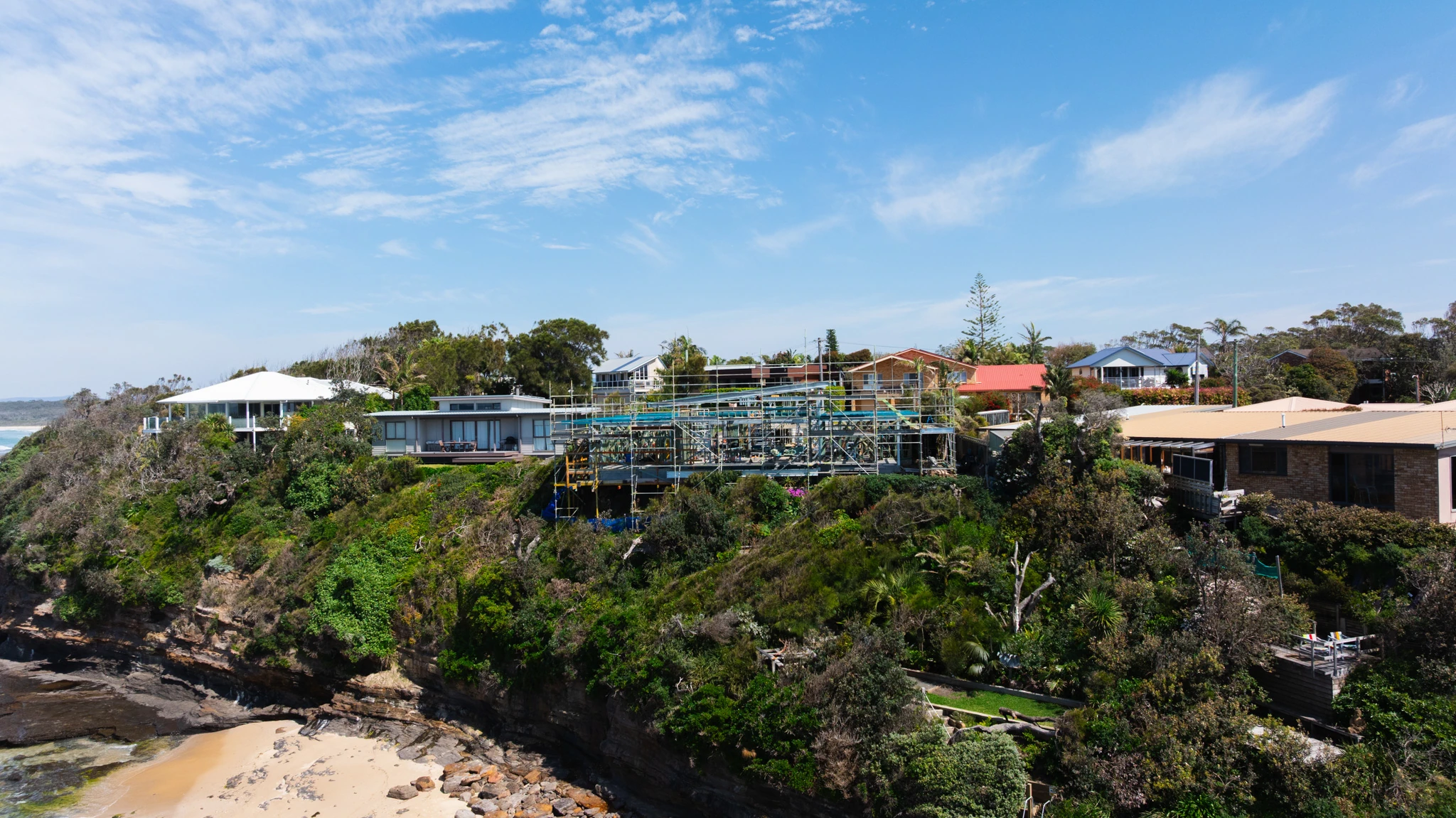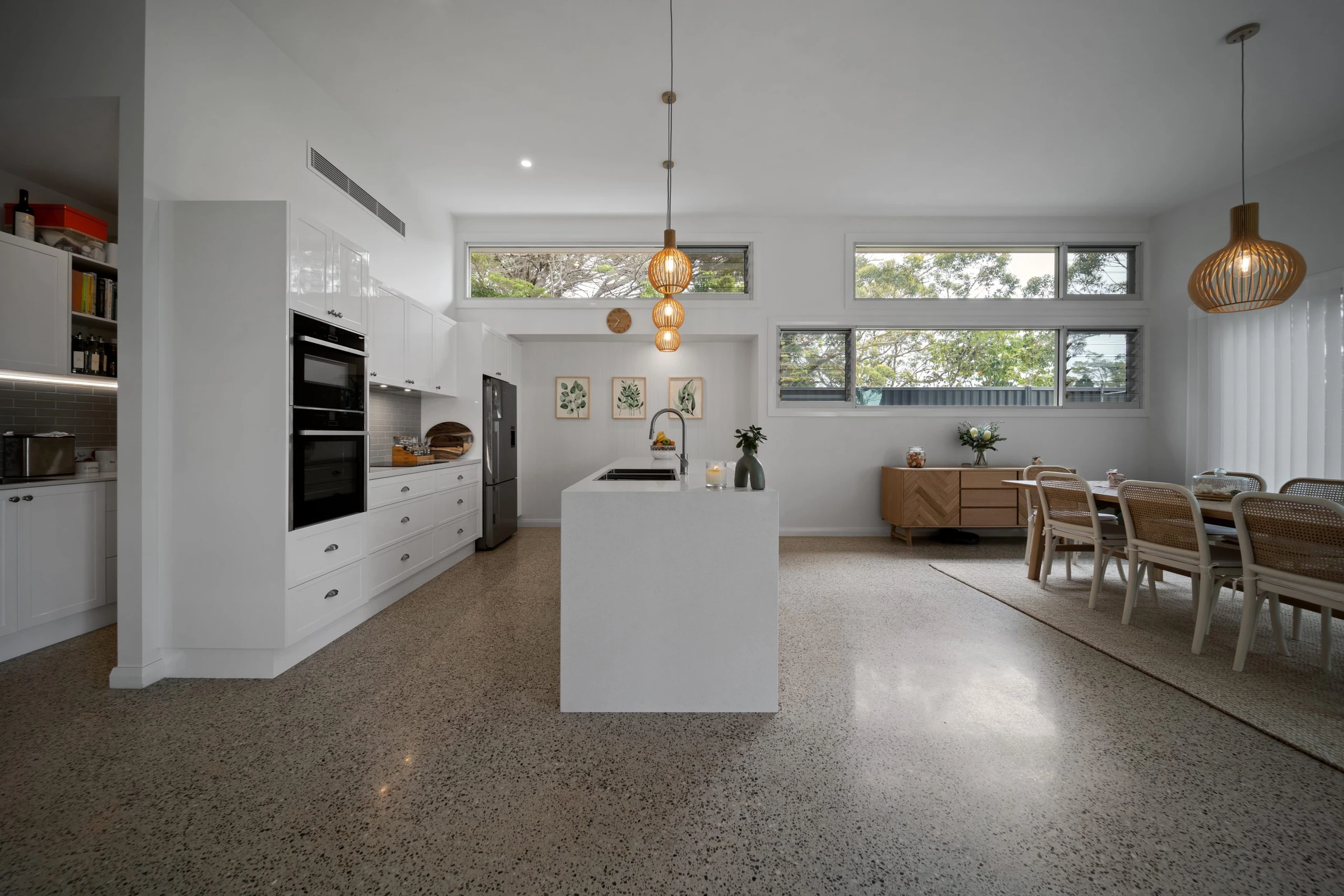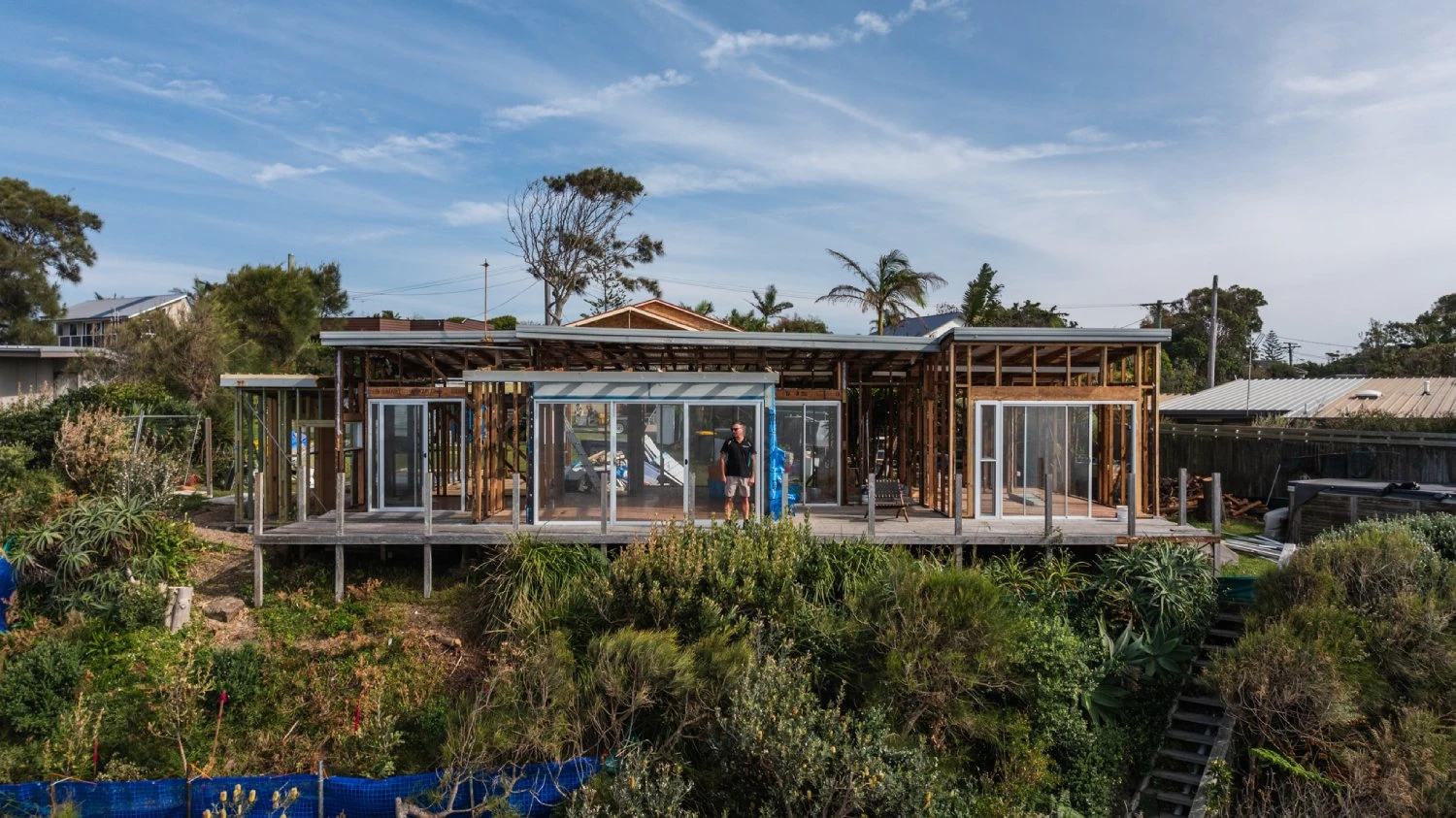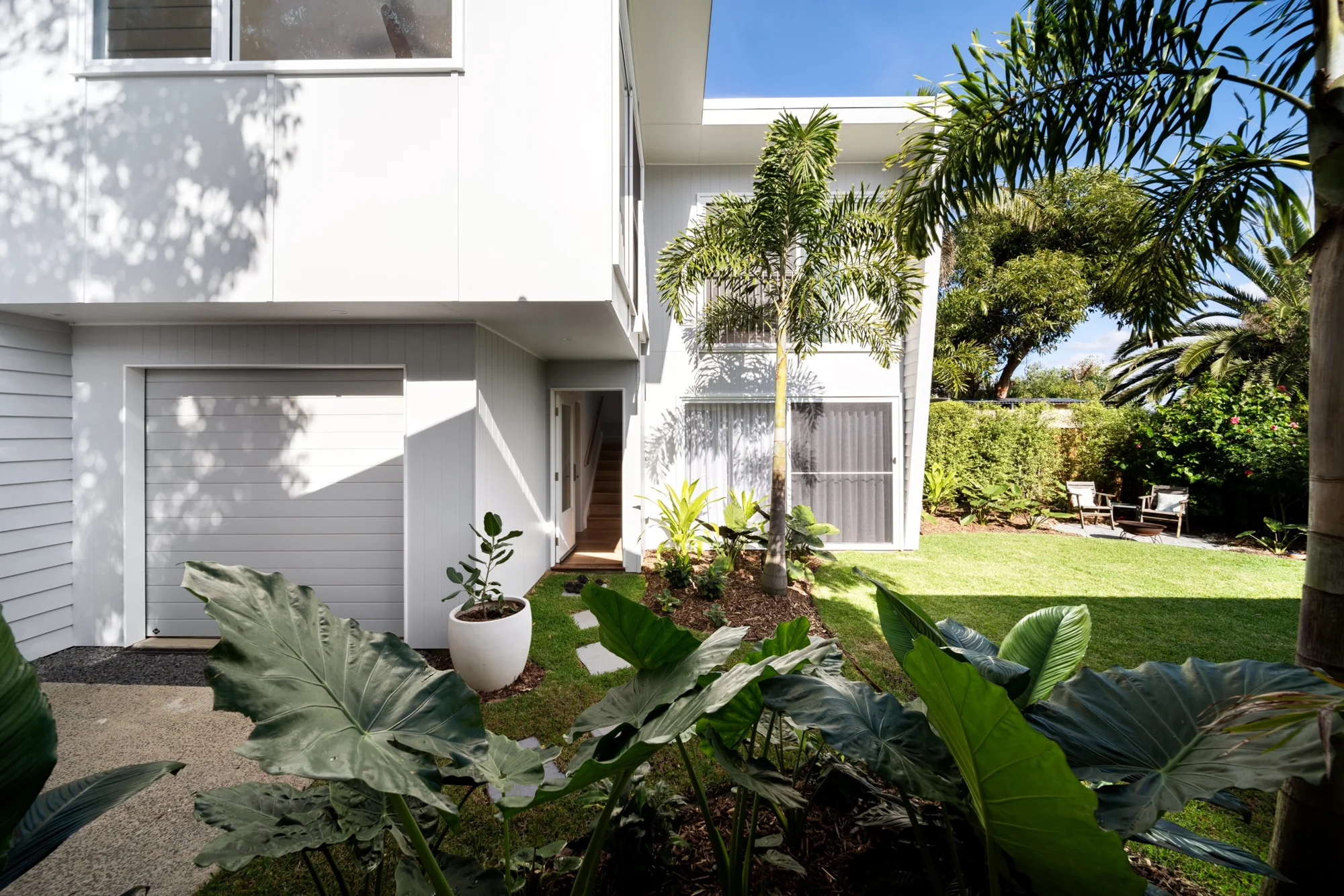
A house can look perfectly fine on the surface and still feel a bit like wearing an old suit that no longer fits. The rooms may work, but the layout drags, the storage falls short, and the whole place starts telling you it has had enough. That is usually when major home renovations enter the chat.
On the NSW South Coast, people renovate for all sorts of reasons. Some want more space for a growing family. Others want to open up a tired layout and bring in more light, sea breeze, and calm. And plenty of homeowners simply want a home that feels sharper, smarter, and easier to live in every day.
If you are thinking about major home renovations in NSW South Coast, the best place to start is with a clear plan, a realistic budget, and a proper sense of what you actually want the end result to feel like.
What counts as a major renovation?
A major renovation is not a quick paint-and-flip job. It usually means changing the bones or the flow of the home in a meaningful way. That might include knocking out walls, reworking the kitchen and bathrooms, adding a new level, extending out the back, or completely reshaping how the home functions.
I like to think of it like this: a cosmetic update gives your home a new jacket, but major home renovations give it a whole new wardrobe, better posture, and a more confident walk.
Here are some common renovation types:
- Full kitchen and bathroom remodels
- Open-plan living conversions
- Home extensions
- Second-storey additions
- Laundry and mudroom upgrades
- Whole-home internal reconfiguration
- Coastal resilience upgrades for weather-exposed homes
Start with the lifestyle, not the tiles
Before you fall in love with tapware or splashback samples, pause and think about how you actually live. Do you need a bigger kitchen for family dinners? Perhaps you want a quiet work zone away from the TV noise. Better indoor-outdoor flow could also make your South Coast weekends more enjoyable.
That is where major home renovations really begin. Not in the showroom. Not on Pinterest. In your daily life.
Ask yourself:
- What annoys you most about the current layout?
- Which rooms never get used properly?
- Where does the home feel cramped or dark?
- What would make life easier in five years, not just today?
The answers shape everything that follows.
A simple way to plan the project
Here is a practical way to break the job down.
Stage
What you focus on
Why it matters
Discovery
Decide what you need and what you want
Stops the project from drifting
Design
Sketch layout, materials, and finishes
Turns ideas into a real plan
Budget
Set a target and a buffer
Protects you from nasty surprises
Approvals
Check what needs council or planning approval
Helps you avoid delays
Build
Lock in the builder, schedule, and selections
Keeps the project moving
Handover
Review finishes and final details
Makes sure the result matches the brief
Budget like a grown-up, not a dreamer
Renovation budgets love to behave like a shopping trolley with a dodgy wheel. They start straight, then suddenly veer off when you least expect it.
For major home renovations, I always tell people to budget in layers:
- Core build cost . labour, materials, and trade work
- Design and approvals . plans, engineering, and documentation
- Fixtures and finishes . cabinetry, flooring, lighting, tiles, and fittings
- Contingency . a buffer for the surprise stuff hidden in walls, floors, or old plumbing
A good contingency helps when the project throws you a curveball. And renovation projects usually throw at least one. That is just the universe keeping things interesting.
If you are renovating on the South Coast, also think about climate. Salt air, humidity, and weather exposure can influence material choices, finishes, and long-term maintenance. That does not mean you need to build a fortress. It just means you need to choose wisely.
Design decisions that make the biggest difference
The best major home renovations do not just look good. They work better. They make the home feel calmer, brighter, and more useful.
The biggest wins often come from these choices:
- Better layout: You can fix awkward traffic flow and wasted space.
- More natural light: Larger windows, skylights, and better orientation can transform a home.
- Smarter storage: Built-ins, hidden cabinetry, and better joinery reduce clutter fast.
- Stronger indoor-outdoor flow: This matters a lot in a coastal lifestyle.
- Consistent finishes: When the whole home feels visually connected, it looks more polished.
A well-designed renovation should feel like the house finally figured itself out.
Room-by-room priorities that pay off
Not every room needs equal attention. In many major home renovations, the kitchen, main living area, and main bathroom deliver the biggest lifestyle upgrade.
Kitchen: This is where the family gathers, the coffee happens, and the toast somehow burns even when you are standing right there. Good kitchens need flow, storage, bench space, and lighting.
Bathroom: A bathroom can feel like a daily reset button. Better ventilation, storage, and a simple layout make a massive difference.
Living area: Open the space up if the home feels boxed in. Let light move through. Let people talk without shouting across three walls.
Laundry: A smart laundry saves time and sanity. That alone makes it worth a proper look.
Bedrooms: Small changes here can create better rest, more storage, and a calmer feel overall.
Council rules and approvals matter more than people expect
This is the bit many people try to skip, and it usually bites them later. Before you start major home renovations, check what approvals you need. In NSW, some renovation work can fall under exempt or complying development, but the rules depend on the type of work and the site. You can read more on the NSW Planning Portal here: NSW Planning Portal.
That step matters because it can affect your design, your timeline, and your budget. A good plan at the beginning saves a lot of swearing at the end.
Choosing the right builder changes everything
A renovation builder should do more than swing a hammer and send invoices. The right team should help you make decisions early, explain the process clearly, and keep the job moving without chaos.
When you compare builders for major home renovations, ask:
- Do they handle renovations like this often?
- Do they understand coastal homes and local conditions?
- Do they explain the process in plain English?
- Do they give realistic timeframes and cost allowances?
- Do they have strong coordination with designers, engineers, and trades?
I always rate clear communication highly. A good builder does not just build walls. They build confidence.
Timeline: what to expect
Most people want their renovation to move quickly. Fair enough. But good work still needs proper sequencing.
A typical project might move like this:
- Initial consultation
- Site review and concept planning
- Design development
- Cost check and scope refinement
- Approvals and documentation
- Build phase
- Finishing, defects, and handover
The more complex the home, the more important the early planning becomes. That is especially true for major home renovations, where one small design decision can affect five other parts of the job.
The biggest mistakes to avoid
I have seen a few renovation headaches in my time, and most of them come from the same handful of mistakes:
- Starting without a clear scope
- Underbudgeting
- Choosing finishes before locking the layout
- Ignoring approvals
- Hiring on cost alone
- Forgetting the contingency
- Not planning for how the home will be used after the build
If you avoid those traps, you already put yourself ahead of many renovation projects.
Conclusion
A renovation should do more than update a house. It should make the home feel like it finally matches the way you live now. That is the real goal of major home renovations on the NSW South Coast: better space, better flow, better comfort, and a result that feels worth every bit of planning.
If you are ready to start, begin with the brief. Write down what frustrates you, what you need, and what you want the home to become. Then talk to the right team and get the process moving properly.
Take the first step today. Sketch your dream layout, define your must-haves, and speak with a renovation specialist who understands South Coast homes from the inside out.
Frequently Asked Questions
1. How long do major home renovations usually take?
It depends on the scope. A smaller major renovation may run for a few months, while a full-home transformation or extension can take much longer once you include design, approvals, and construction.
2. What adds the most value in a renovation?
Kitchen upgrades, bathroom upgrades, better layout, and stronger indoor-outdoor flow usually deliver the biggest lifestyle and resale benefits.
3. Do I need council approval for major home renovations in NSW?
Sometimes, yes. It depends on the work, the site, and the planning pathway. Always check the approval rules before you begin.
4. How do I keep renovation costs under control?
Set the scope early, choose finishes with care, keep a contingency, and make decisions before construction starts. Changes mid-build usually cost more.
5. What should I prioritise first?
Start with function. Fix the layout, improve the flow, and solve the daily pain points first. Style works best when the home already works well.
6. Are major home renovations worth it on the NSW South Coast?
For many homes, yes. If the structure is sound and the location is right, a well-planned renovation can dramatically improve comfort, value, and liveability.