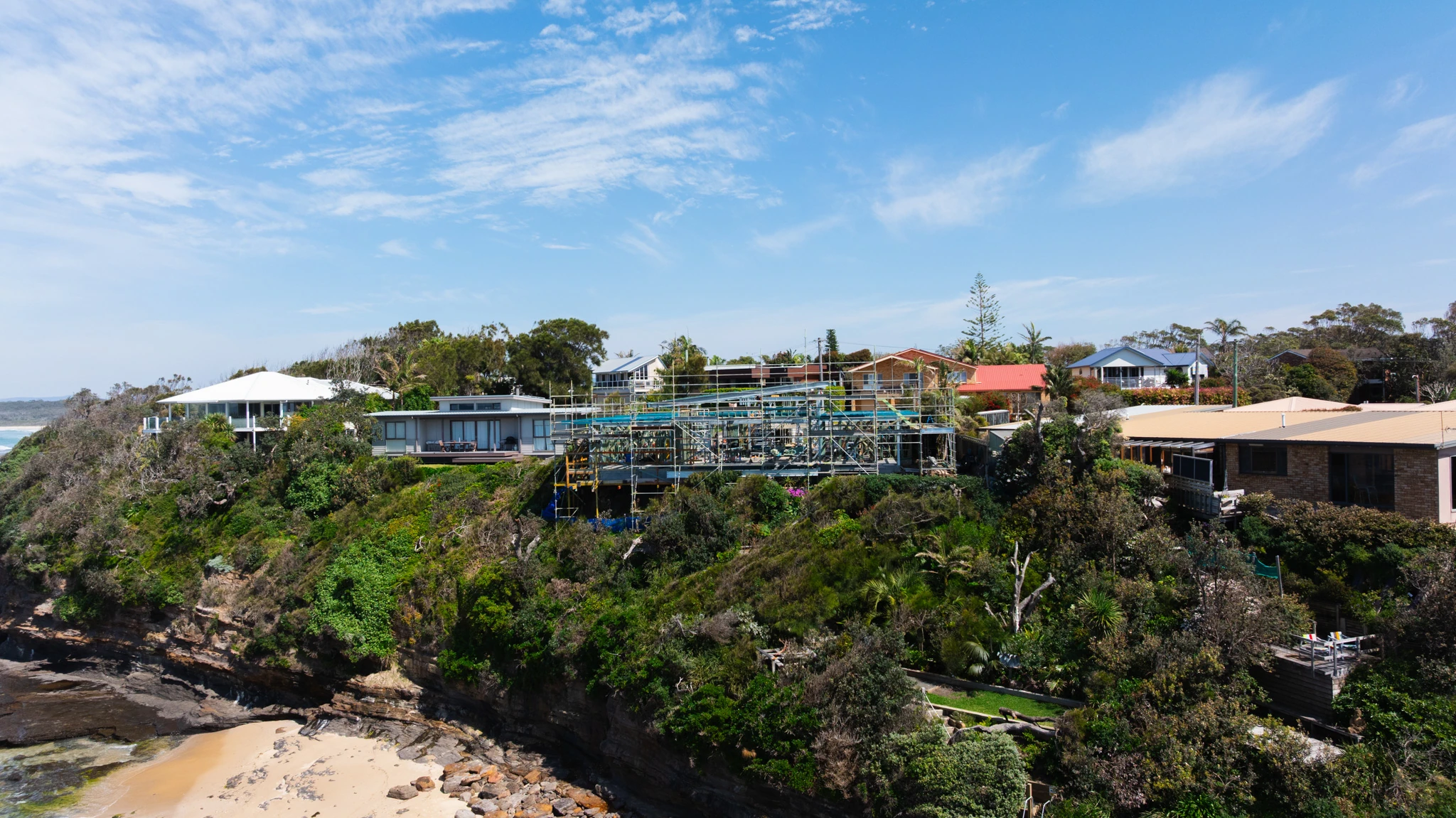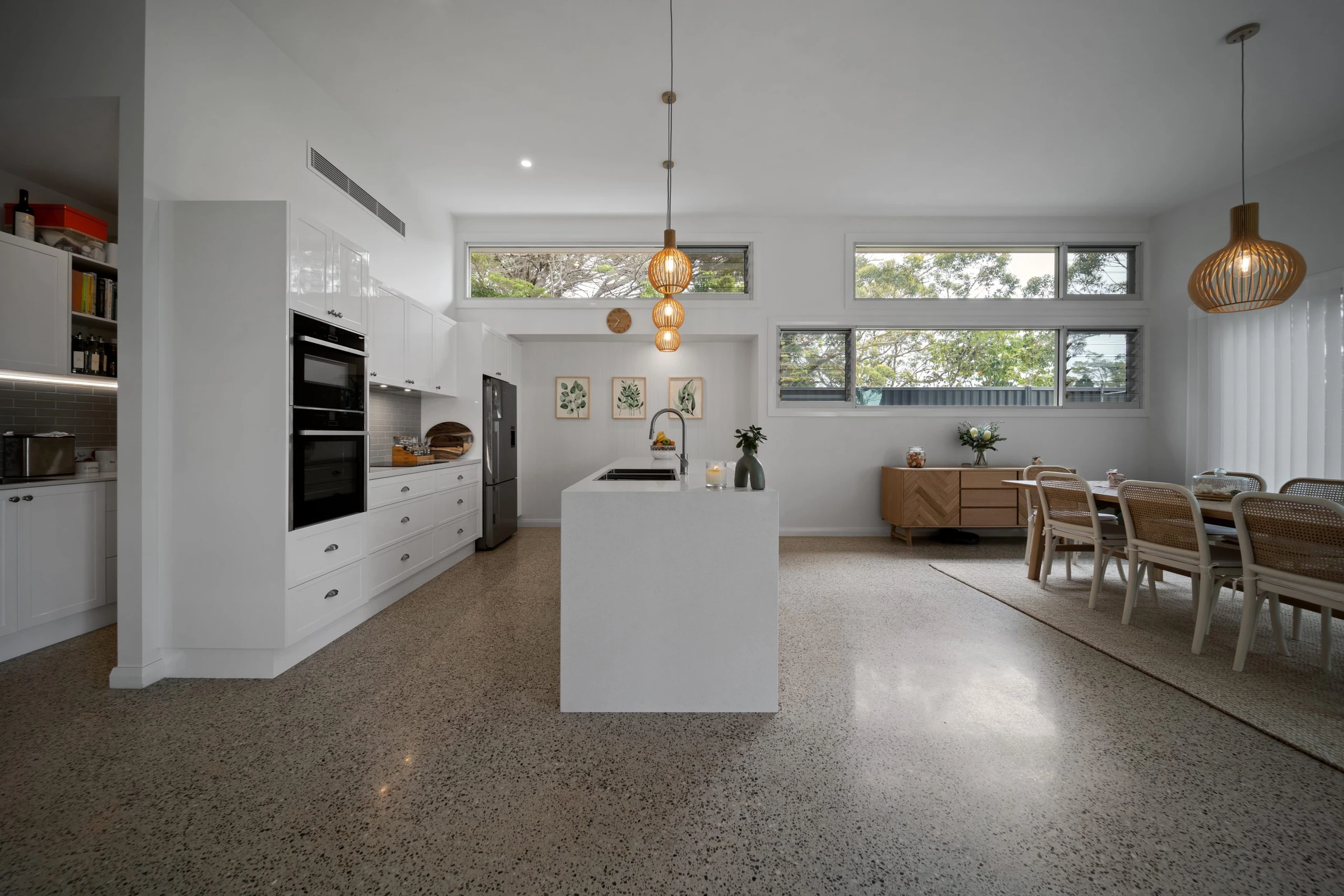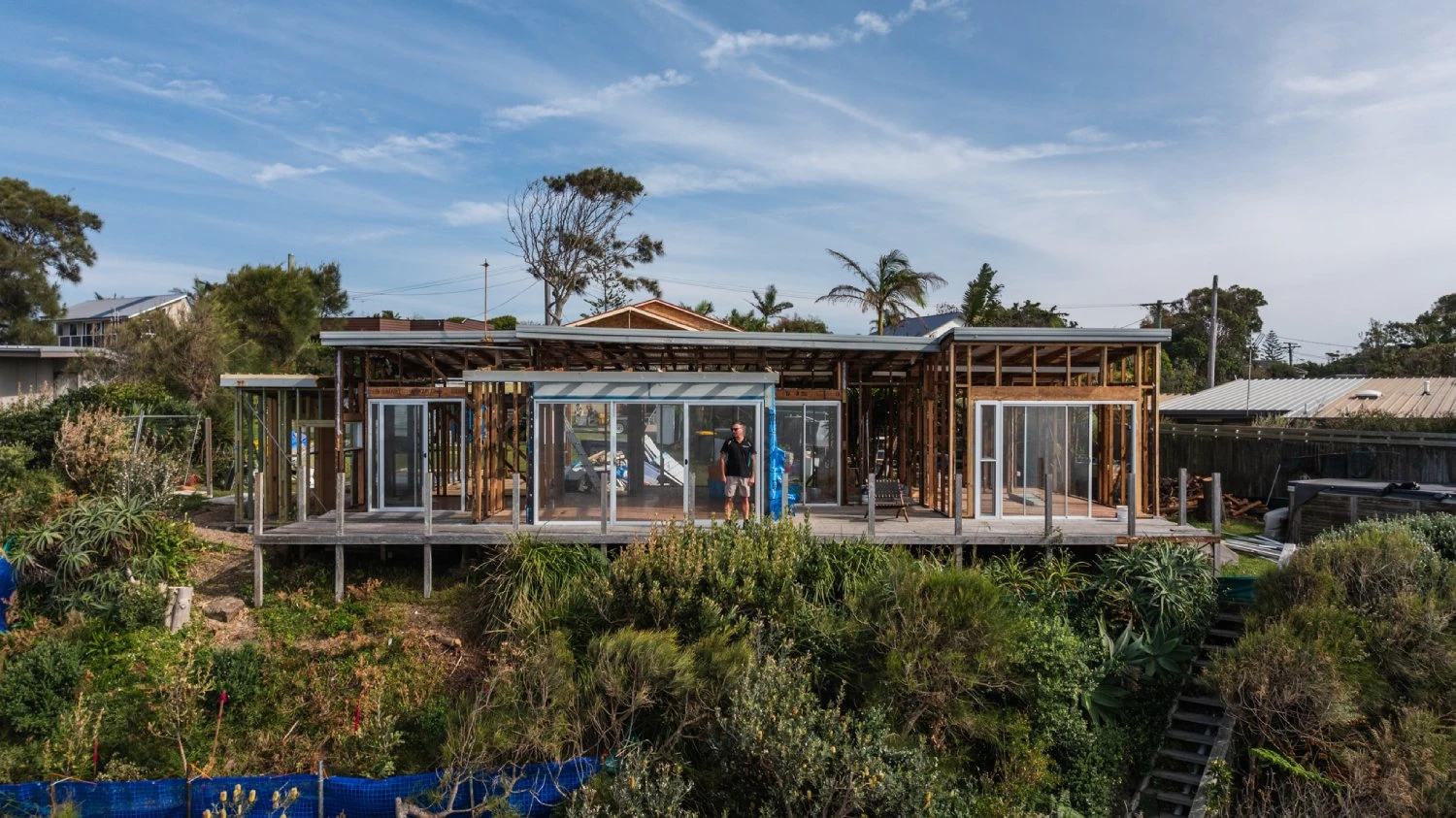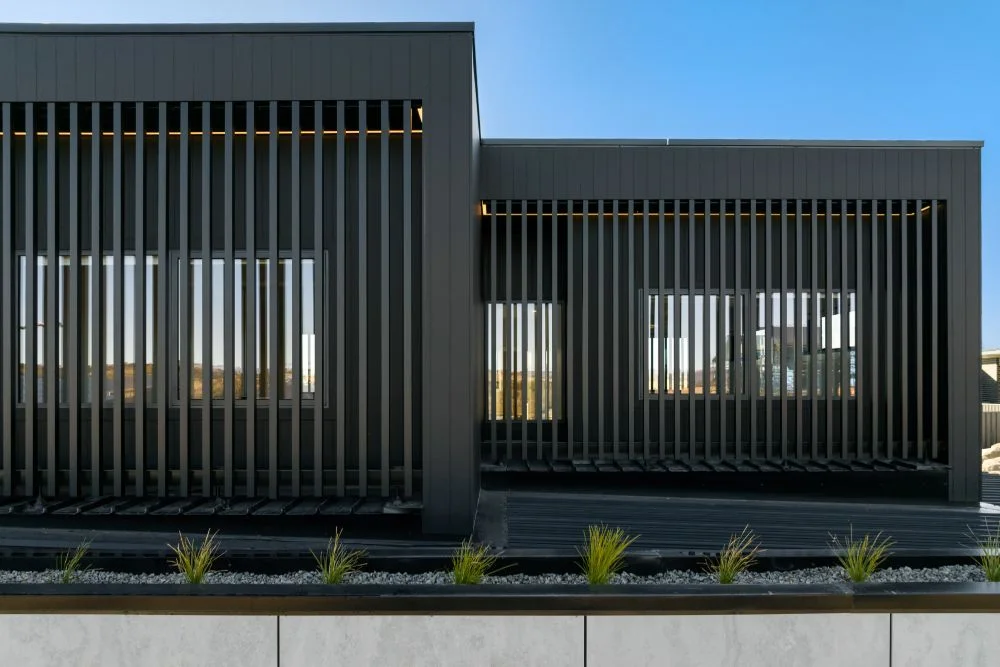
Building a home sounds exciting, doesn’t it? You picture sunny weekends on your new deck, family dinners in an open-plan kitchen, and a home that finally fits your lifestyle. Yet before the first shovel touches the ground, plenty of decisions shape whether your project becomes a dream success or a costly headache.
Across the NSW South Coast, more homeowners are choosing custom builds, knockdown rebuilds, and major home extensions. With growing demand, careful planning has become more important than ever. A well-prepared project often saves time, money, and stress while delivering a better final result.
If you’re considering residential construction in NSW South Coast, you need more than inspiration boards and floor plans. You need a practical understanding of budgets, approvals, timelines, site conditions, and builder selection before construction begins.
I have seen many homeowners focus entirely on finishes, colours, and fixtures while overlooking the fundamentals. Ironically, the biggest project successes usually happen long before the slab gets poured. The smartest decisions happen during planning.
Whether you’re building your forever home, an investment property, or a modern coastal retreat, this guide covers the most important things you should know before starting your residential construction journey.
Why Proper Planning Matters in Residential Construction
Think of a construction project like a road trip from Sydney to the South Coast. You could jump in the car and start driving, but without a map, fuel, or destination, you’ll probably take a few wrong turns.
The same principle applies to residential construction.
A clear plan helps you:
- Avoid budget blowouts
- Reduce delays
- Improve build quality
- Meet council requirements
- Minimise unexpected surprises
- Create a home that suits your future lifestyle
When you understand the process from the beginning, you gain more confidence and make better decisions throughout the build.
1. Set a Realistic Budget Before Anything Else
Most people start with house designs. I recommend starting with numbers.
Your budget influences almost every aspect of residential construction, including:
Construction Element
Impact on Budget
Land preparation
High
House size
High
Building materials
Medium to High
Site access
Medium
Custom features
High
Landscaping
Medium
Council approvals
Low to Medium
Many homeowners only calculate construction costs and forget additional expenses such as:
- Site surveys
- Engineering reports
- Council fees
- Utility connections
- Driveways
- Retaining walls
- Landscaping
A practical budget should include a contingency fund of around 10-15% for unexpected costs.
Pro Tip
If your budget feels stretched before construction starts, it usually becomes even tighter during the build. Leave room for flexibility.
2. Understand Your Block of Land
Every block tells a different story.
Before you begin residential construction, you need to understand exactly what you’re building on.
A block may look perfect from the street, but hidden challenges can affect costs significantly.
Important factors include:
Slope
Sloping blocks often require:
- Retaining walls
- Additional excavation
- Special foundation systems
Soil Conditions
Different soil classifications affect foundation design and engineering requirements.
Site Access
Builders need room for:
- Machinery
- Material deliveries
- Construction vehicles
Tight access can increase labour and equipment costs.
Bushfire and Flood Zones
Many NSW South Coast areas have specific environmental requirements that influence design and approvals.
Understanding these factors early prevents expensive surprises later.
3. Choose the Right Builder, Not Just the Cheapest One
Everyone loves a bargain.
However, residential construction isn’t the place to chase the lowest quote.
A cheap quote sometimes hides:
- Lower-quality materials
- Missing inclusions
- Inexperienced subcontractors
- Future variation costs
Instead, evaluate builders based on:
Selection Criteria
Why It Matters
Experience
Reduces risk
Local knowledge
Helps with approvals
Communication
Improves project flow
Portfolio
Demonstrates quality
Reviews
Reveals client satisfaction
Transparency
Minimises disputes
The best builders often provide detailed quotes, realistic timelines, and clear communication from day one.
If someone promises the biggest house, the fastest build, and the lowest cost all at once, that’s usually your cue to ask more questions.
4. Know What Council Approvals You Need
Many homeowners underestimate the approval process.
Depending on your project, you may need:
- Development Approval (DA)
- Complying Development Certificate (CDC)
- Construction Certificate
- Environmental assessments
- Bushfire reports
- Engineering documentation
Approval requirements vary across local government areas throughout the NSW South Coast.
Starting approvals early can prevent lengthy delays.
The earlier you understand regulatory requirements, the smoother your residential construction project will progress.
5. Design for Your Lifestyle, Not Just Today’s Trends
Trends come and go.
Remember when everyone wanted bright red feature walls?
Exactly.
Great home design focuses on how you actually live.
Ask yourself:
- Do you work from home?
- Will your family grow?
- Do you entertain often?
- Do you need extra storage?
- Do you want ageing-friendly features?
A practical design often outperforms a trendy one over the long term.
Popular NSW South Coast design features currently include:
- Open-plan living
- Indoor-outdoor entertaining spaces
- Large windows
- Energy-efficient layouts
- Multi-purpose rooms
- Coastal-inspired architecture
The smartest residential construction projects balance aesthetics with functionality.
A beautiful home should look great, but it should also make everyday life easier.
- Understand That Construction Timelines Can Change
One of the biggest misconceptions about residential construction is that every project follows a perfectly straight timeline. In reality, building a home is more like a relay race than a sprint. Every stage depends on the one before it, and a delay in one area can affect everything that follows.
Even with careful planning, factors outside your control can influence the schedule, including:
- Wet weather
- Material availability
- Council approval timeframes
- Trade scheduling
- Unexpected site conditions
- Design changes during construction
The key isn’t expecting a perfect timeline. It’s working with a builder who communicates openly and keeps you informed at every stage.
Here’s a general guide to what a typical residential construction timeline may look like.
Construction Stage
Typical Timeframe
Planning and Design
4-10 weeks
Council Approvals
4-12 weeks
Site Preparation
1-3 weeks
Foundations and Slab
2-4 weeks
Framing
2-5 weeks
Roofing and External Cladding
2-4 weeks
Internal Fit-Out
8-14 weeks
Final Inspection and Handover
1-2 weeks
Every project is unique, so treat these as estimates rather than fixed deadlines.
7. Invest in Energy-Efficient Design from the Start
Saving money after you move in starts long before construction begins.
A well-designed residential construction project should help reduce energy bills while creating a more comfortable home throughout the year.
Instead of relying heavily on heating and cooling systems, think about how your home naturally responds to the local climate.
Some of the best energy-efficient features include:
- Double-glazed windows
- High-quality insulation
- Energy-efficient lighting
- Solar-ready roof design
- Cross ventilation
- North-facing living spaces where practical
- Quality roofing materials
These features may add to your upfront investment, but they often deliver long-term savings while increasing your property’s value.
Living on the NSW South Coast also means enjoying beautiful natural light. Designing your home to capture that light can improve comfort while lowering energy consumption.
8. Don’t Forget the Hidden Costs
Almost every homeowner plans for the obvious expenses.
Far fewer prepare for the unexpected ones.
That’s why experienced builders encourage clients to look beyond the contract cost before beginning residential construction.
Some commonly overlooked costs include:
Hidden Expense
Why It Matters
Driveways
Often completed after the build
Landscaping
Creates a finished home
Fencing
May not be included
Window furnishings
Essential after handover
Appliance upgrades
Can increase costs quickly
Furniture
New homes often inspire new interiors
Utility connections
Vary depending on location
Small decisions can also add up surprisingly fast.
Upgrading kitchen finishes.
Changing bathroom tiles.
Adding skylights.
Installing custom cabinetry.
Individually they seem manageable, but together they can stretch the budget considerably.
I always recommend reviewing every inclusion before signing a contract. A detailed understanding today avoids expensive surprises tomorrow.
9. Learn the Building Rules Before Work Begins
Nobody enjoys paperwork, but understanding building regulations early can save months of frustration.
Before starting residential construction, it’s important to understand the standards that apply to your project, including planning controls, building approvals and the current requirements under Australia’s National Construction Code.
You can find practical guidance through the NSW Government Planning Portal, which explains approvals, certificates and planning requirements for residential projects.
Knowing the rules before construction begins helps you avoid unnecessary delays, redesigns and additional costs.
Rather than seeing regulations as obstacles, think of them as safeguards that help ensure your new home is safe, durable and built to the required standards.
10. Think About the Future, Not Just Move-In Day
Your new home should suit your lifestyle today.
It should also support the life you’ll live five, ten or even twenty years from now.
The most successful residential construction projects consider future needs right from the design stage.
Ask yourself:
- Will your family grow?
- Could you work from home permanently?
- Do you want a guest suite?
- Will ageing parents visit regularly?
- Might you install an electric vehicle charger later?
- Could you add a pool or outdoor entertaining area in the future?
Planning for tomorrow doesn’t necessarily cost much more today, especially when structural provisions are included during construction.
Future-proofing your home is one of the smartest investments you can make.
A flexible layout can adapt to changing lifestyles without requiring major renovations down the track.
Common Mistakes to Avoid During Residential Construction
Even well-prepared homeowners occasionally make avoidable mistakes. Fortunately, most of them can be prevented with careful planning and open communication.
Here’s a quick comparison.
Common Mistake
Better Approach
Choosing the cheapest quote
Compare value, experience and inclusions
Skipping site investigations
Complete soil and site reports first
Making frequent design changes
Finalise plans before construction
Ignoring future needs
Design with flexibility in mind
Underestimating the budget
Include a contingency allowance
Poor communication
Stay involved throughout the project
Building a home should feel exciting, not overwhelming. The more informed you are before construction begins, the smoother the journey becomes.
Conclusion
Starting a residential construction project is one of the biggest investments you’ll ever make, and it deserves careful planning from day one. While it’s easy to get caught up in choosing paint colours or imagining your first barbecue on the deck, the real success of your build comes from the decisions you make before construction even begins.
From setting a realistic budget and understanding your block of land to choosing the right builder and planning for the future, every step plays an important role in creating a home that suits your lifestyle. I always believe that a well-informed homeowner enjoys a smoother building journey because they ask better questions, make smarter choices and avoid costly surprises.
If you’re planning residential construction in the NSW South Coast, take your time, do your research and work with professionals who value quality, transparency and communication. A thoughtfully planned project doesn’t just deliver a beautiful house. it creates a home you’ll enjoy for many years.
When you’re ready to turn your ideas into reality, Get in touch with our team to discuss your project. We’d love to help you create a home that’s built around your vision, your lifestyle and your future.
Frequently Asked Questions
1. What is residential construction?
Residential construction involves building, renovating or extending homes where people live. It includes custom homes, duplexes, townhouses, knockdown rebuilds, home extensions and major renovations.
2. How long does a residential construction project usually take?
Every project is different, but most residential construction projects take between 6 and 12 months from planning to handover. Factors such as approvals, weather, site conditions and material availability can influence the overall timeline.
3. How much should I budget for residential construction?
Your budget depends on the home’s size, location, level of finishes, site conditions and design complexity. Besides construction costs, remember to allow for council fees, landscaping, driveways, utility connections and a contingency fund of around 10-15%.
4. Why is a soil test important before building?
A soil test determines the ground conditions on your block and helps engineers design suitable foundations. Completing this step early reduces the risk of unexpected structural issues and additional construction costs.
5. Do I need council approval before starting residential construction?
In many cases, yes. Depending on your project, you may require a Development Approval (DA), a Complying Development Certificate (CDC) or other permits. Your builder or designer can guide you through the approval process.
6. How do I choose the right residential builder?
Look beyond the cost. Choose a builder with proven experience, transparent cost planning, strong communication, quality workmanship, local knowledge and positive client reviews. A detailed quote and realistic timeline are usually signs of a reliable builder.
7. Can I make changes after construction starts?
Yes, but changes during construction often increase costs and may delay the project. Finalising your plans before work begins is the most cost-effective approach.
8. Why should I work with a local NSW South Coast builder?
A local builder understands regional planning requirements, coastal conditions, local suppliers and council processes. Their local knowledge can help streamline your residential construction project while ensuring your home suits the area’s environment and lifestyle.