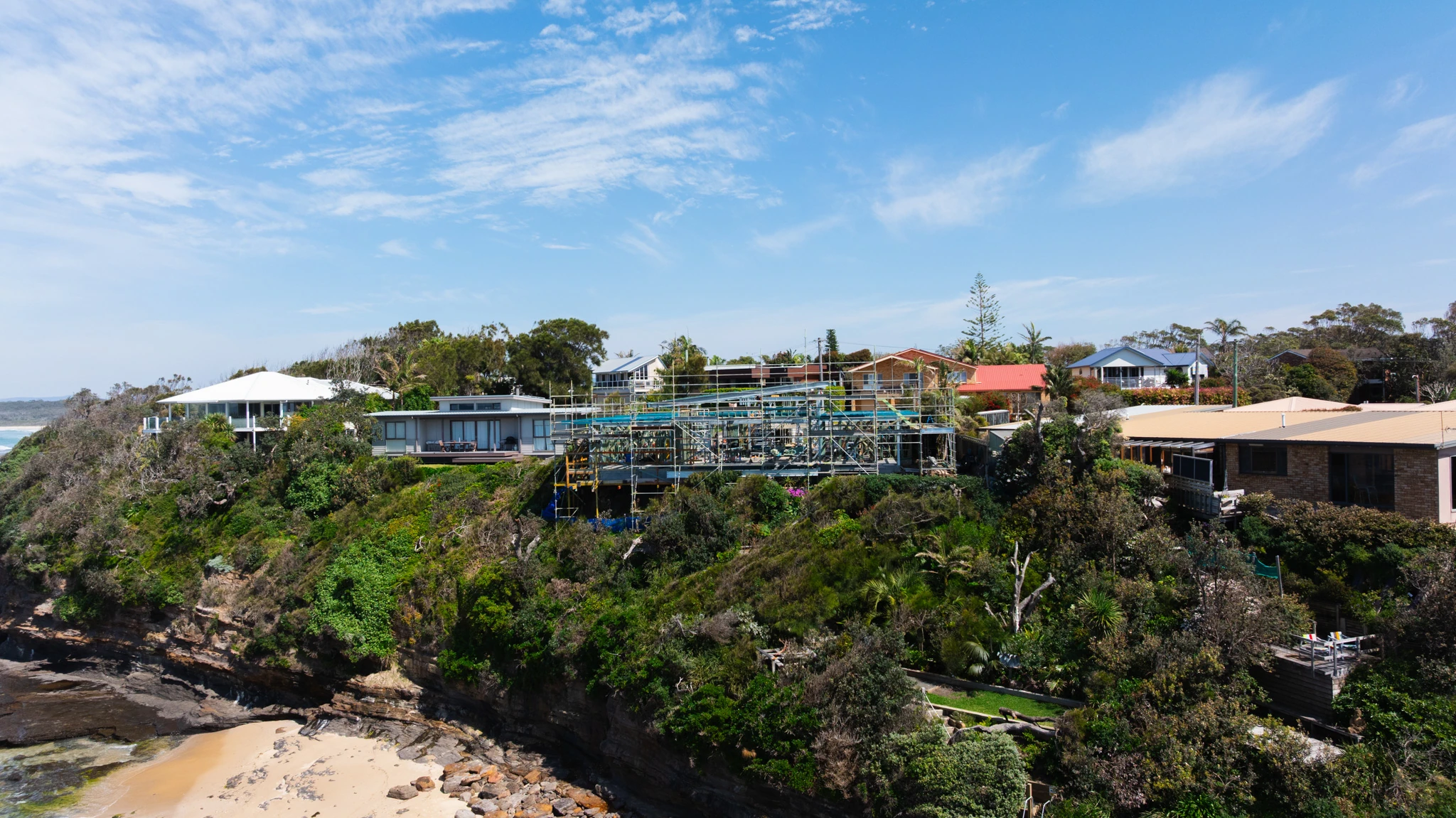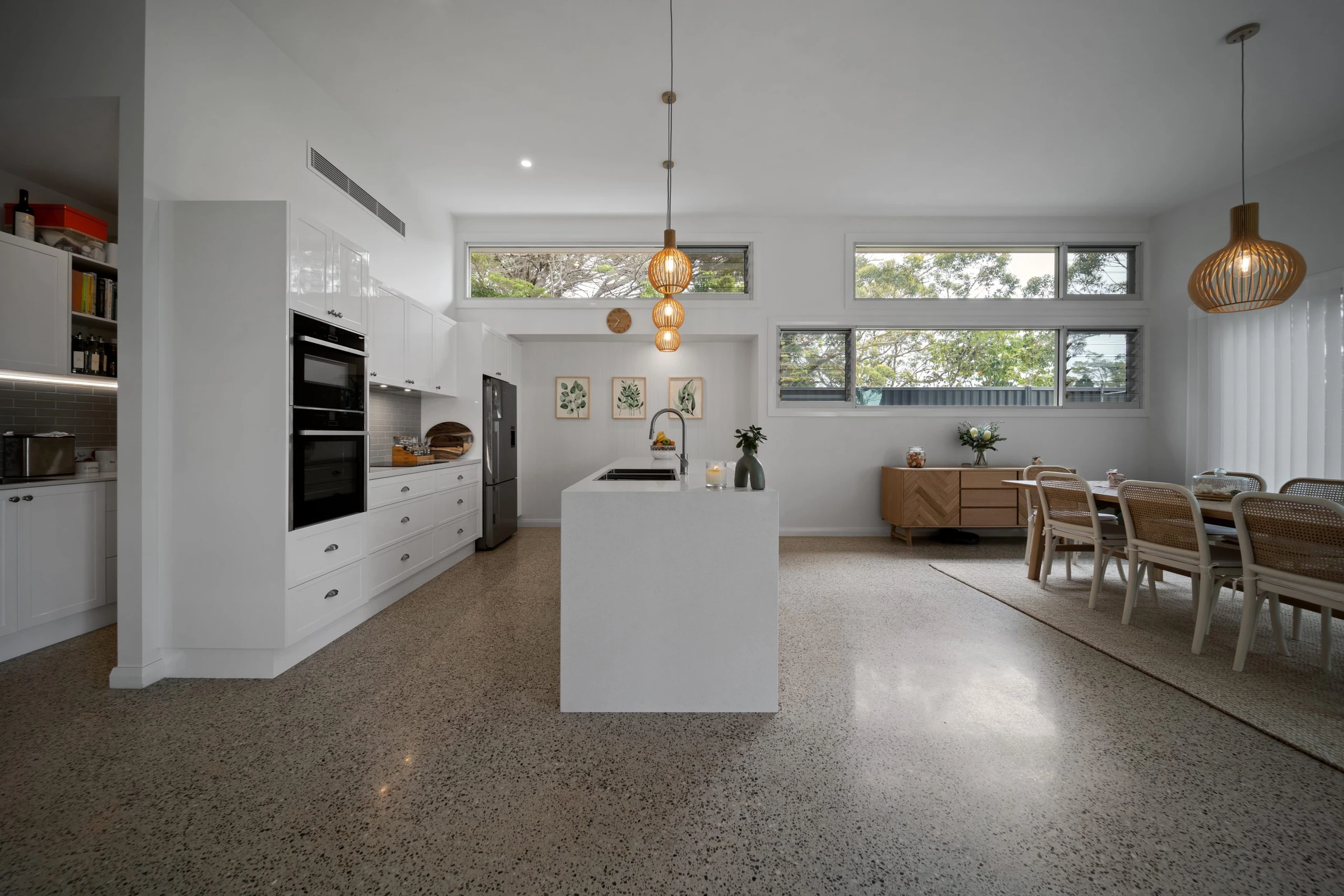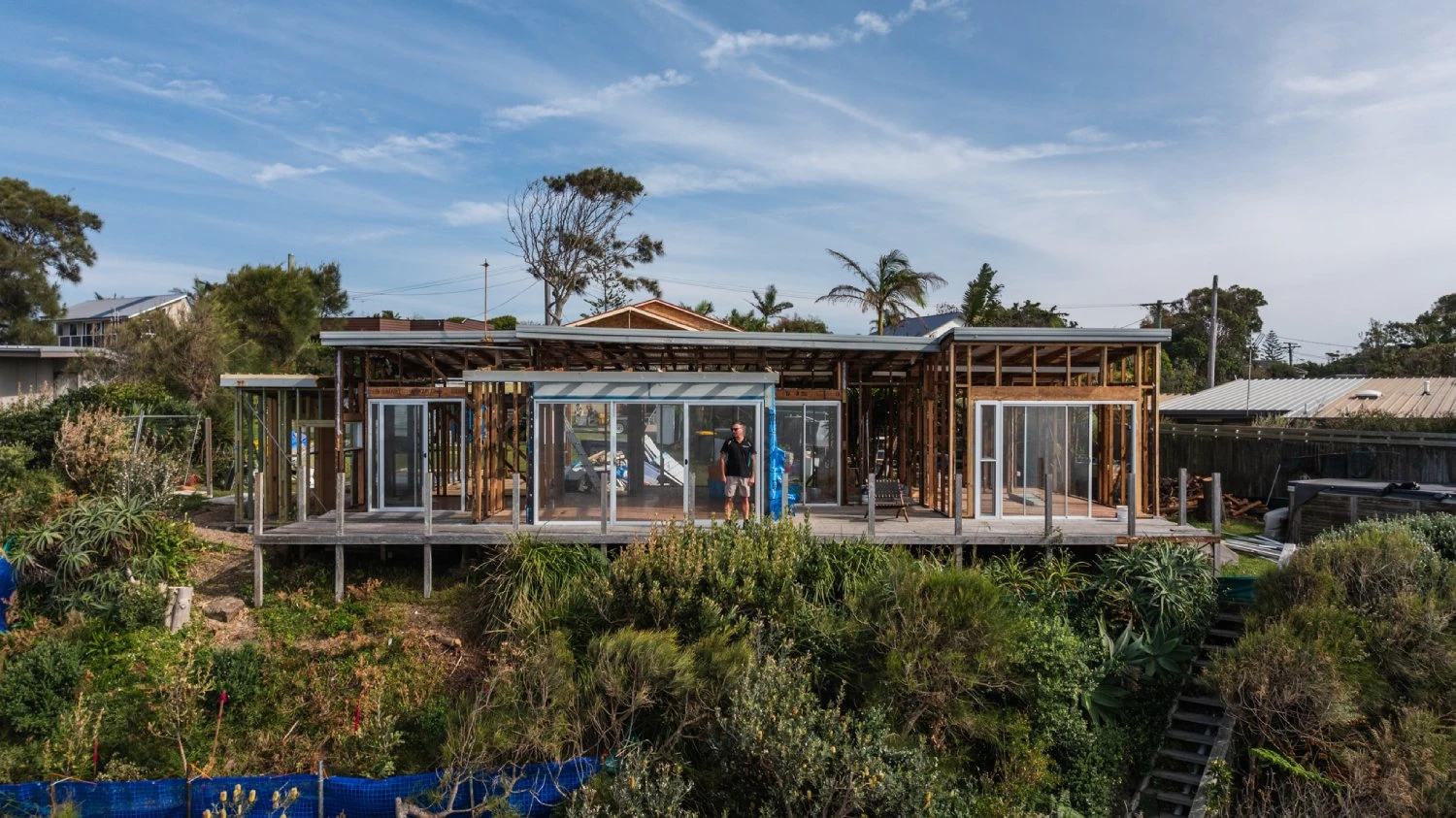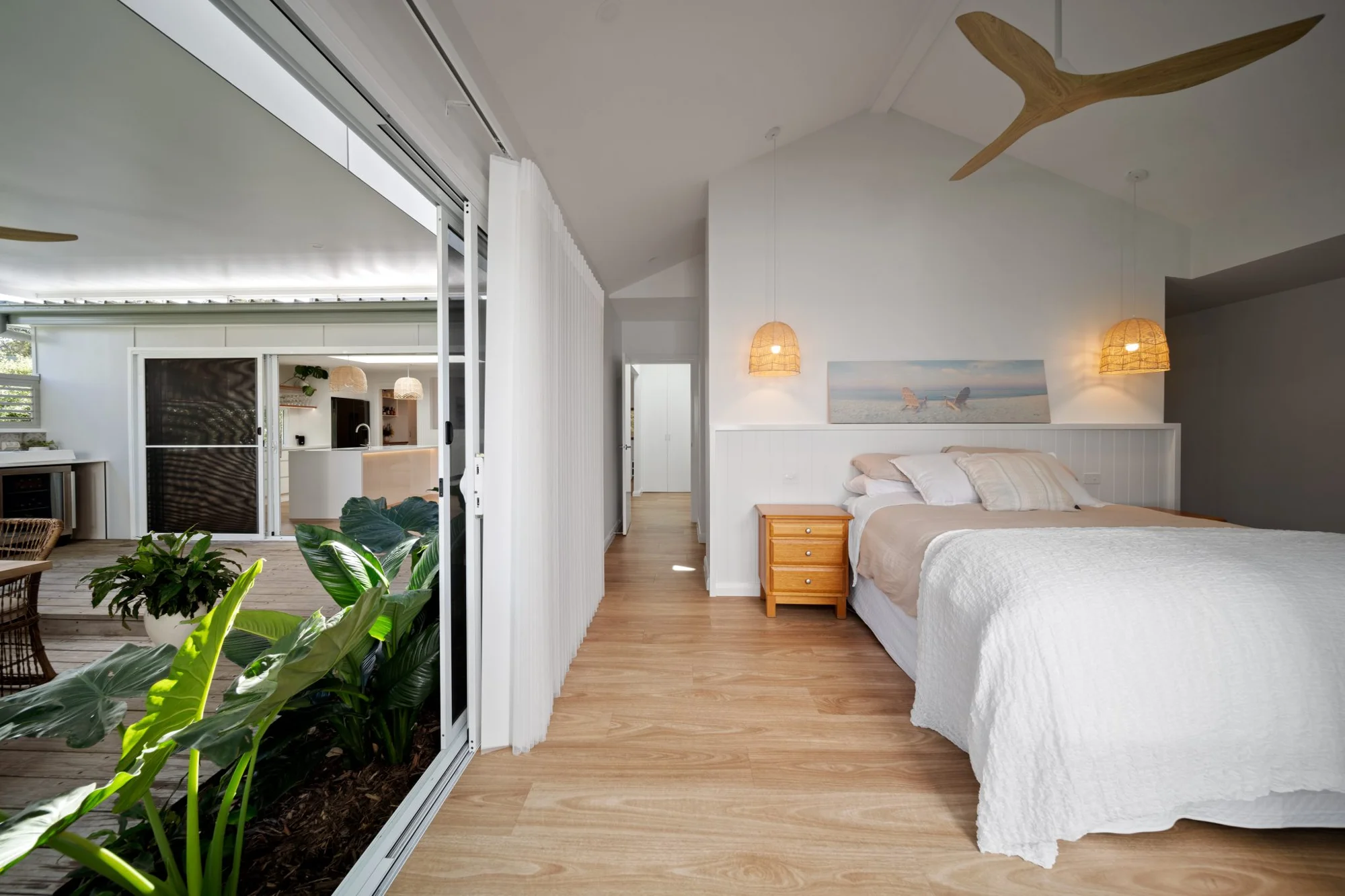
If you’re thinking about extending your home on the NSW South Coast, the exciting part is easy to picture: a bigger kitchen, an extra bedroom, more natural light and finally enough space for everyone to spread out. The tricky part starts when you turn that vision into a real building project. Choosing the right Home Extension Builders can make the difference between a smooth renovation and a project that feels like it has developed a personality of its own.
A good extension should feel as though it always belonged to your home. That means getting the design, structure, budget, approvals and construction details right before anyone starts swinging a hammer. I always recommend treating your first conversation with potential Home Extension Builders as an interview rather than a sales pitch. You’re not simply comparing budget expectations; you’re deciding who you trust with a major investment.
The right Home Extension Builders should explain the process clearly, understand your property and give you realistic expectations from day one. If you’re looking for a team to discuss your project, speaking with a local Home Extension Builder can help you understand what may work for your home before you commit to a plan.
1. Are the Home Extension Builders Properly Licensed?
Start with the basics. Before discussing designer kitchens or beautiful bifold doors, ask whether the Home Extension Builders you’re considering hold the appropriate licence for the work they intend to perform. In NSW, residential building work has specific licensing requirements, and you should verify the builder’s details rather than simply accepting a verbal assurance.
Licensing gives you an important starting point, but it doesn’t tell the whole story. You also want to know whether the builder regularly handles projects similar to yours. A contractor who mainly works on small renovations may approach a substantial rear extension very differently from a team that manages complete residential additions.
Ask for licence details, relevant experience and evidence of previous projects. A professional builder should answer these questions without making you feel like you’ve asked for the keys to Fort Knox.
2. Have They Built Similar Home Extensions Before?
Experience matters because every house behaves differently once construction begins. A home on a sloping block, a coastal property exposed to weather or an older house with unusual structural details can present very different challenges from a straightforward suburban build.
Ask your shortlisted Home Extension Builders to show examples of projects similar to yours. Look beyond glossy photographs. Ask what type of extension they completed, what challenges they encountered and how they solved them.
For example, a builder experienced with rear extensions may understand how to connect a new living area with an existing kitchen while maintaining good circulation and natural light. Someone experienced with second-storey additions will bring a different set of skills involving structural changes, access and integration with the existing roof.
Past work tells you what a builder can do. The quality of their explanation tells you how they think.
3. What Exactly Does Your Quote Include?
A cheap quote can look fantastic until you discover what it leaves out.
Ask your Home Extension Builders for a detailed written quotation that clearly explains the scope of work, materials, allowances, inclusions and exclusions. If one quote looks dramatically cheaper than another, don’t automatically celebrate. The difference may come from missing items rather than genuine savings.
A useful quote should help you understand where your money goes. It may cover demolition, structural work, framing, roofing, windows, electrical work, plumbing, insulation, plastering, flooring, painting and final finishes, depending on your project.
You should also ask about prime cost items and provisional sums. These figures can affect your final budget if the actual cost differs from the allowance.
Questions worth asking about your quote
- Does the cost include demolition and rubbish removal?
- Are council or approval-related costs included?
- What materials and finishes does the quote allow for?
- Are plumbing and electrical changes included?
- How will variations affect the final cost?
- What work sits outside the quoted scope?
The more clearly you understand the quote, the fewer nasty surprises you’ll face later.
4. Who Handles the Design and Planning?
Not every builder works in exactly the same way. Some Home Extension Builders work alongside architects and designers, while others offer design-and-build services through their own network.
Ask who will prepare the drawings, coordinate consultants and make sure the proposed extension works with your existing house. Your plans need to consider more than appearance. They should address structure, room proportions, natural light, ventilation, access, privacy and how the new space connects with the old one.
This stage also gives you an opportunity to question design decisions. If a proposed layout creates a huge hallway but leaves the living room feeling cramped, say so. Your extension should work for the way you actually live, not simply look impressive on a floor plan.
5. What Approvals Will the Project Need?
Approvals can become one of the less glamorous parts of a home extension, but ignoring them can create serious headaches.
Ask your Home Extension Builders which approvals your project may require and who will coordinate the relevant documentation. Depending on the location, project scope and planning controls, your extension may involve development approval, complying development requirements, construction documentation and other checks.
You should also ask how the proposed work responds to local planning requirements, site constraints, heritage considerations or environmental factors where relevant.
For NSW homeowners, the NSW Planning Portal provides official information about planning and development pathways.
Don’t assume that because a neighbour built an extension, you can automatically build the same thing. Two properties on the same street can have very different planning constraints.
6. How Long Will the Extension Take?
“About three months” sounds reassuring. But what does that actually mean?
Ask your Home Extension Builders for a realistic construction schedule and ask what assumptions sit behind it. Weather, material availability, approvals, site conditions and unexpected structural issues can all influence a project.
A professional builder won’t promise a magical date simply to win your business. Instead, they’ll explain the major stages and identify where delays could occur.
Your timeline might move through design and approvals, site preparation, demolition, structural work, roofing, external work, services, internal finishes and final completion. Understanding this sequence makes the whole process easier to follow.
If you’re living in the house during construction, ask how the schedule affects your daily routine. A kitchen extension, for example, can temporarily turn breakfast into an outdoor sport.
7. How Will They Protect Your Existing Home?
This question often gets overlooked.
When you extend an existing property, you’re not starting with a clean site. You’re building next to a home containing furniture, flooring, landscaping, services and all the little things you don’t want covered in dust.
Ask your Home Extension Builders how they’ll separate the construction zone from your existing living areas. Discuss temporary access, dust management, rubbish removal, weather protection and security.
You should also ask how the team will protect existing finishes that remain. A good construction plan considers the old and new parts of the house together rather than treating your existing home as an obstacle.
8. What Materials and Workmanship Standards Do They Use?
Materials influence more than appearance. They affect durability, maintenance, comfort and long-term value.
When comparing Home Extension Builders, ask what products and materials they commonly specify and why. You don’t necessarily need the most expensive option. You need materials that suit the property’s location, your lifestyle and the design’s performance requirements.
For a South Coast home, environmental exposure can matter. Ask questions about roofing, windows, insulation, external finishes and moisture management where appropriate.
You should also understand who checks workmanship during construction. A strong builder should have processes for quality control rather than relying on a final walk-through to discover problems.
9. How Do They Handle Variations?
Almost every significant building project encounters change. Sometimes you change your mind. Sometimes site conditions reveal something nobody could see before demolition.
The important question isn’t whether variations can happen. It’s how your Home Extension Builders manage them.
Ask whether you’ll receive written variation details before additional work begins and how the builder calculates the extra cost. You should understand the cost and impact on the schedule before approving a change.
This simple process can prevent the classic renovation conversation: “Hang on, why is that another five grand?”
Clear documentation protects both sides and keeps expectations realistic.
10. What Happens After the Project Is Finished?
Completion isn’t necessarily the end of the relationship.
Ask your Home Extension Builders what happens when construction reaches practical completion. Find out how they manage defects, final inspections, documentation, warranties and any outstanding items.
You should also understand what documentation you’ll receive at the end of the project. Depending on the work, this may include relevant certificates, warranties, manuals or other records.
A professional builder should want you to walk through the finished extension carefully rather than rushing you towards the front door with a paintbrush in hand.
How Can You Compare Home Extension Builders Properly?
cost matters, but it shouldn’t become the only deciding factor.
When comparing Home Extension Builders, put their proposals side by side and look at the bigger picture. Compare their experience, communication, inclusions, proposed materials, estimated timeline and approach to variations.
What to compare
Why it matters
Relevant experience
Shows whether they understand similar projects
Written scope
Reduces confusion about what’s included
Quote detail
Helps identify missing costs
Communication
Makes decisions and changes easier
Timeline
Helps you plan around construction
Quality approach
Indicates how the builder manages workmanship
Contract process
Establishes responsibilities clearly
Aftercare
Provides support once work finishes
A builder who communicates clearly before signing a contract will usually give you a much better idea of what communication will look like during construction.
What Red Flags Should You Watch For?
You don’t need detective-level skills to spot warning signs.
Be cautious if a builder avoids written details, pushes you to sign immediately, gives an unusually vague quote or refuses to explain assumptions behind their cost planning. Another warning sign involves constantly changing answers about who will actually manage the project.
You should also pay attention to communication. If getting a response before signing the contract already feels like chasing a celebrity for a reply, imagine doing it halfway through construction.
The best Home Extension Builders don’t pretend that every project will run perfectly. They explain risks, communicate changes and provide practical solutions when something unexpected appears.
Why Local Experience Matters on the NSW South Coast
Building on the NSW South Coast comes with its own practical considerations. Your property’s position, access, climate exposure, existing structure and local planning environment can all influence the way an extension comes together.
Local experience doesn’t guarantee a perfect project, but it can help your builder recognise common challenges earlier. It also makes conversations about site access, materials, trades and local requirements more practical.
When interviewing Home Extension Builders, ask how familiar they are with properties in your area. You want someone who understands the real-world conditions behind the drawings.
What Should You Ask Before Signing?
Before you commit, sit down with your preferred Home Extension Builders and ask the questions that still bother you. Don’t worry about sounding difficult. This is your home and your investment.
Ask who manages the project, what the contract covers, how changes work, what happens if delays occur, who coordinates trades and how defects get addressed. If an answer feels vague, ask for clarification.
The goal isn’t to eliminate every possible risk. No builder can promise that. The goal is to understand the process well enough to make an informed decision.
Conclusion
Choosing Home Extension Builders involves much more than finding someone who can turn drawings into walls. You need to assess licensing, relevant experience, cost planning, design coordination, approvals, construction timing, workmanship, communication and aftercare. Ask detailed questions early, compare proposals carefully and look beyond the headline cost. The right builder should make your project feel organised, transparent and achievable.
If you’re ready to explore an extension for your NSW South Coast home, now is the time to start the conversation. Discuss your ideas, property and priorities with experienced Home Extension Builders before you lock yourself into a design or budget. To discuss your project and next steps, Get in touch with our team and turn that extra-space idea into a practical plan.
Frequently Asked Questions
How do I choose the best Home Extension Builders for my project?
Start by comparing relevant experience, licensing, written quotations, communication style, contract terms and previous work. Look for a builder who understands your property’s specific conditions and explains the process clearly rather than simply offering the lowest cost.
How much should I budget for a home extension?
The cost depends heavily on the size, design, structural requirements, finishes, services and site conditions. Rather than relying on a generic online figure, discuss your specific project with experienced Home Extension Builders and obtain a detailed quotation based on your plans.
How long does a home extension usually take?
Every project differs, but your timeline can include planning, approvals, demolition, structural construction, services and finishing work. Ask your Home Extension Builders for a project-specific schedule and discuss factors that could affect completion.
Should I stay in my home during an extension?
Sometimes you can, but the answer depends on the size and location of the work. If builders need continuous access to your kitchen, bathroom or main living spaces, temporary relocation may make life considerably easier.
What should a building contract include?
A residential building contract should clearly establish the scope of work, cost, payment arrangements, responsibilities, variations, timing and other important project conditions. Have the contract explained before you sign and seek independent advice if you don’t understand an important clause.